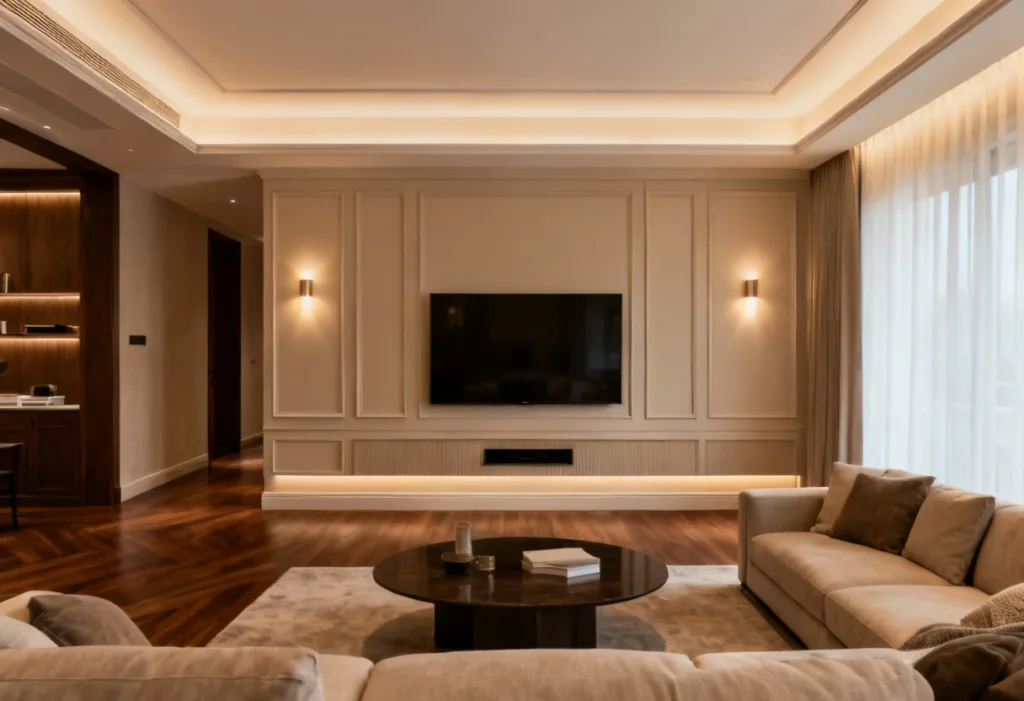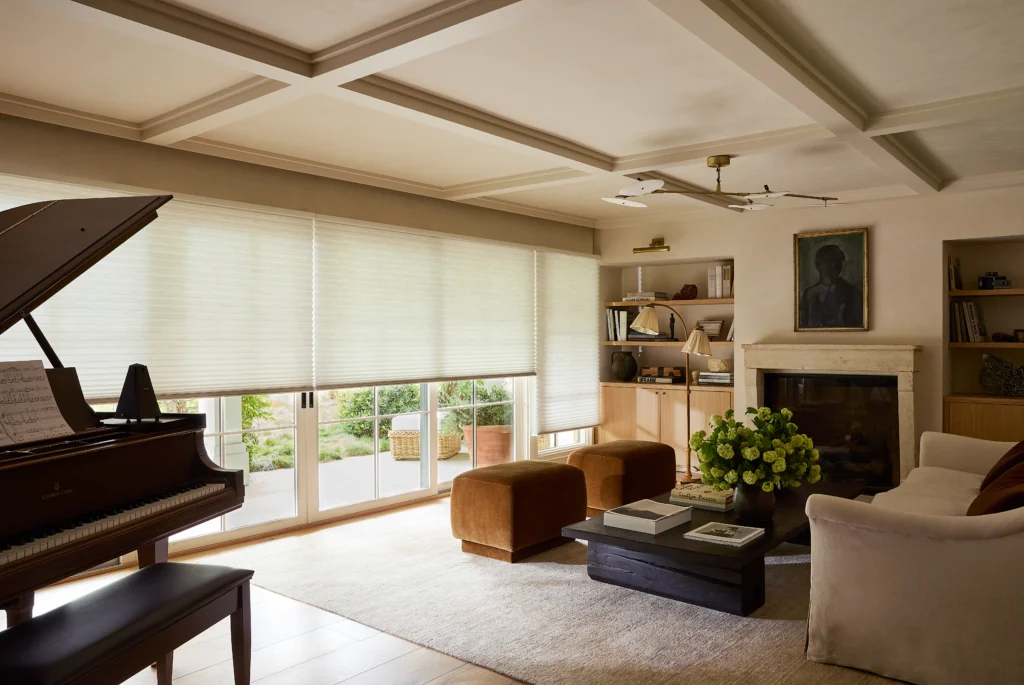
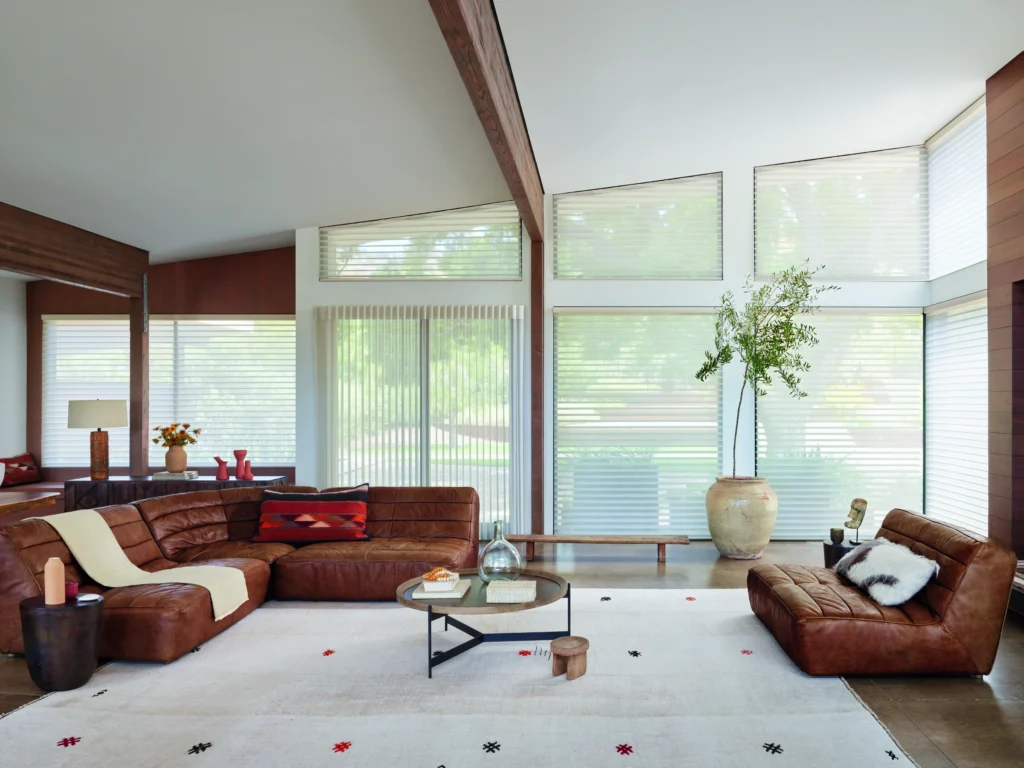
Window treatments shape how a room feels from morning through evening. They do more than cover glass. They guide natural light, frame architectural features, soften acoustics, and complete the visual rhythm of a space. Layered shades and drapes create balance. They improve comfort, strengthen visual clarity, and add depth and structure to the room’s overall appearance.
At BD Home Studio, layered window solutions form part of the full interior composition. Designers evaluate proportion, fabric movement, hardware placement, and daylight direction before selecting materials. Each decision supports nearby finishes, furniture scale, and architectural lines. Window layering becomes a core design element. It supports privacy, improves light control, and strengthens the connection between function and appearance across the room.
This blog explains how layered window treatments work and why they support refined interiors. It also outlines how to choose combinations that suit living rooms, bedrooms, and dining areas. Thoughtful layering helps interiors feel organized, calm, and visually complete throughout the day.
Why Layered Window Treatments are the Hallmark of High-End Interiors
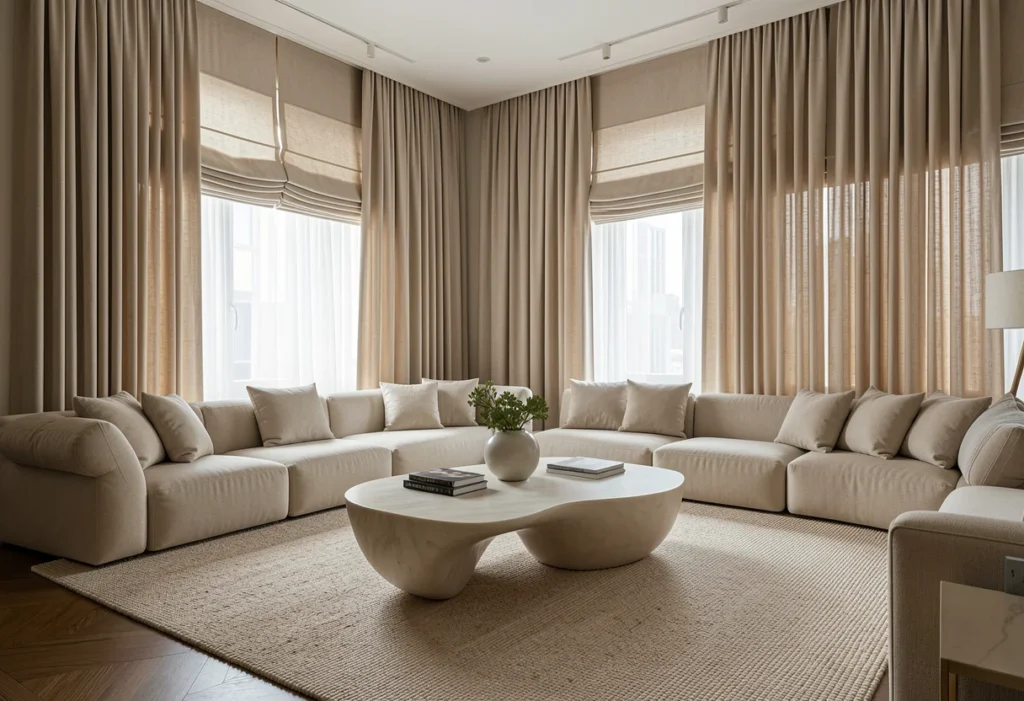
Layering introduces flexibility that single window treatments cannot achieve. Designers use multiple layers because homes require different levels of daylight control throughout the day and across seasons. A sheer layer softens glare in the morning. A denser drape adds privacy after sunset. Together, they support adjustment without interrupting visual continuity. Layered solutions allow both openness and enclosure within the same space.
Layering also strengthens dimensional balance inside a room. Windows are among the largest vertical surfaces in an interior. Thoughtfully selected treatments help anchor ceiling height. They support alignment with surrounding furnishings. They also organize the wall plane and strengthen the structure of the overall layout. As a result, layered window treatments contribute both functional control and visual stability across the space.
Achieving the Perfect Balance of Light Control and Privacy
Light behaves differently depending on orientation, window height, and surrounding surfaces. A layered window treatment approach allows brightness to adjust gradually instead of shifting between fully exposed and fully covered conditions. This creates smoother transitions throughout the day and supports consistent visual comfort across the room.
A woven shade can filter direct sunlight while maintaining a connection to the outdoors. Drapery panels add privacy and introduce softness to the window surface. Together, they create a flexible solution that supports daily routines and maintains the visual flow of the interior without interruption.
Layered treatments also help reduce glare on screens, protect finishes from UV exposure, and support a calm interior atmosphere during peak daylight hours. They strengthen comfort, preserve material quality, and contribute to a balanced environment that responds naturally to changing light conditions.
Adding Architectural Depth and Visual Temperature to a Room
Fabric layers introduce vertical movement that helps rooms feel grounded and visually complete. Drapery panels extend sightlines upward and encourage the ceiling to feel taller and more intentional. Shades maintain structure close to the window frame and reinforce the architectural outline of the opening. Together, these layers strengthen both proportion and balance across the wall surface.
Material selection also influences how a room feels on an emotional level. Linen panels create an airy and relaxed atmosphere. Velvet introduces warmth and a stronger sense of enclosure. When paired with care, these materials adjust the perceived temperature of a space without changing furniture placement or wall finishes. This approach allows designers to shape comfort through texture and light interaction rather than major structural changes.
At BD Home Studio, these relationships are evaluated early in the design process so window treatments support the interior palette instead of competing with it. Early coordination helps maintain visual harmony across finishes, furnishings, and architectural lines while ensuring layered treatments contribute to a calm and cohesive environment.
The Core Rules of Layering: Where to Start?
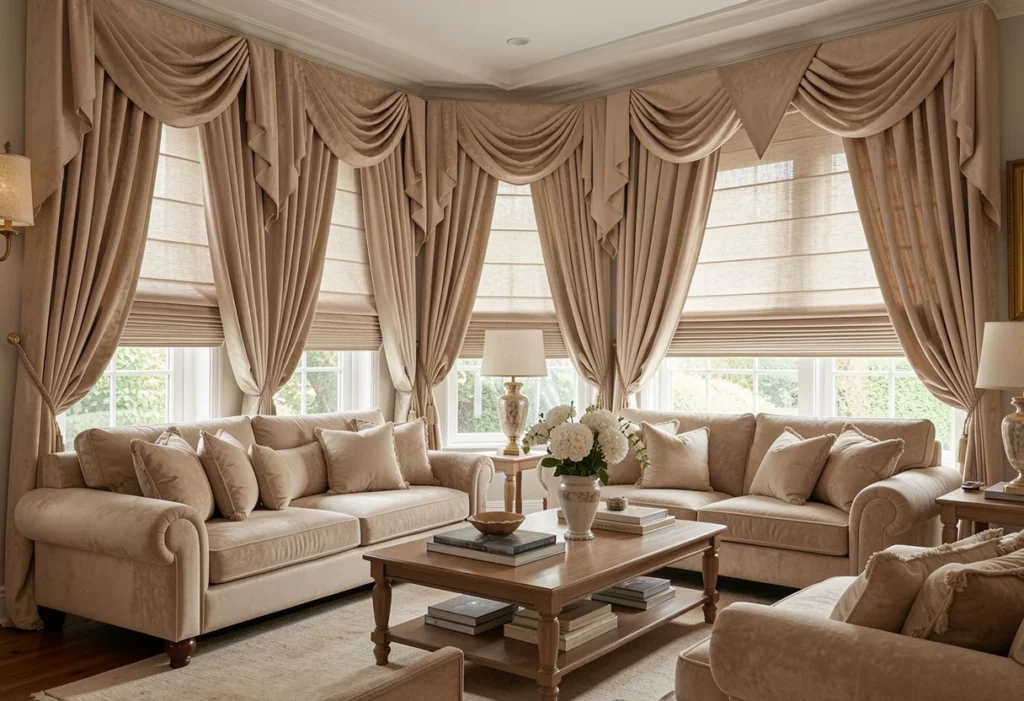
Layered window design begins with function before aesthetics. Designers first study how the room is used. This step determines the most appropriate base layer for the window. Bedrooms need stronger light control to support rest and privacy. Kitchens benefit from lighter filtering solutions that allow steady daylight. Living rooms often require flexible control instead of full blackout performance. Dining areas usually prioritize atmosphere and visual softness during daytime hours.
After functional priorities are clear, aesthetic layers complete the composition. Drapery panels add height, texture, and visual continuity across the wall surface. Sheers introduce softness and maintain connection to daylight. Together, these layers create a window treatment plan that supports comfort, structure, and visual balance throughout the space.
Base Layer (Functionality): Selecting the Right Shades or Blinds
Shades form the working layer of most window treatments. They control brightness, improve privacy, and support insulation while maintaining a streamlined appearance. Roman shades remain popular because they fold neatly and introduce softness without visual clutter. Cellular shades improve thermal performance and help stabilize interior temperatures. Woven wood shades introduce natural texture and preserve filtered outdoor views. Selecting the correct base layer depends on window exposure, ceiling height, and how often the treatment will be adjusted.
At BD Home Studio, designers evaluate these conditions before recommending materials and mounting styles so the shade layer supports both function and visual proportion across the room. Motorized options are often recommended for larger windows and hard-to-reach installations because they simplify daily operation and maintain consistent alignment across multiple openings, helping interiors feel organized and visually balanced.
Top Layer (Aesthetics): Choosing Custom Curtains and Drapes
Once functional shading is in place, drapery panels complete the window treatment composition by adding softness, height, and visual continuity across the wall. Custom curtains are sized to fit each window precisely, avoiding standard panel widths, while proper fullness ensures the fabric hangs smoothly and maintains its intended silhouette over time.
Fabric choice plays a key role in the overall effect. Lightweight sheers introduce brightness without harsh contrast, medium-weight linen blends provide relaxed structure, and heavier textiles enhance privacy while reducing sound reflection in larger rooms. Together, these layers create a window treatment that feels integrated, intentional, and fully harmonized with the interior design.
Winning Combinations for Different Rooms
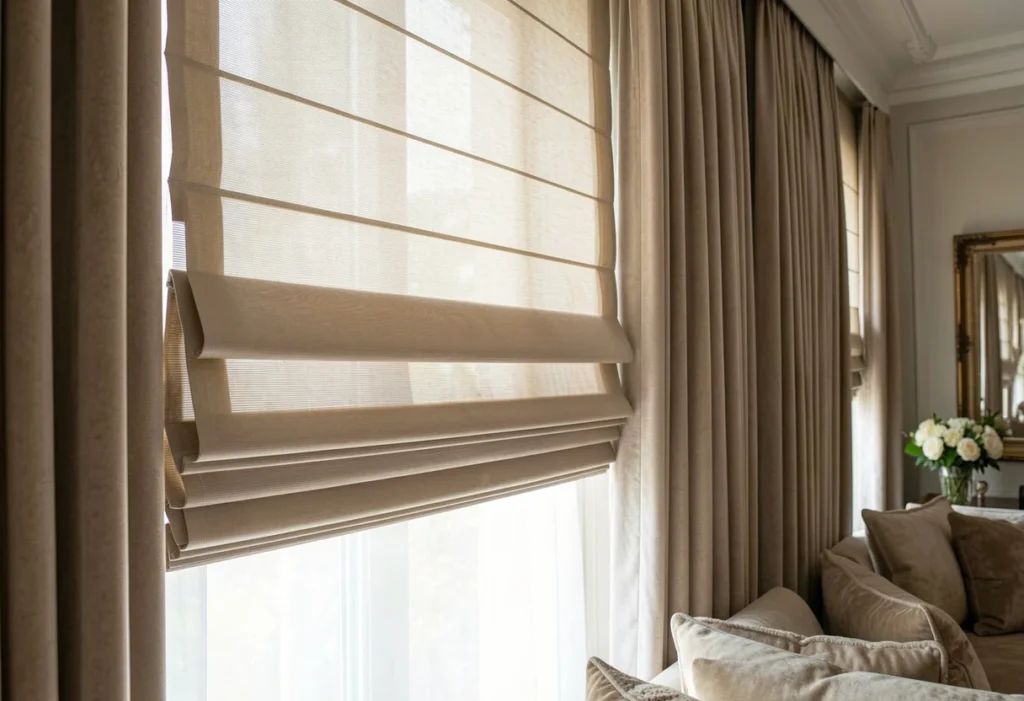
Layered window treatments should respond to the way each space is used throughout the day. Successful designs consider natural light patterns, privacy needs, and typical daily activities, allowing the room to adapt seamlessly from morning to evening. The most effective pairings balance these functional requirements with visual priorities, creating a sense of harmony, rhythm, and cohesion that enhances both comfort and style in every room.
The Bedroom Sanctuary: Blackout Roman Shades with Soft Sheers
Bedrooms benefit from adjustable darkness without sacrificing daytime softness. Blackout Roman shades provide reliable light control for sleeping hours, while sheer panels allow natural brightness to filter in during the day. This combination supports restful evenings and gentle mornings without frequent adjustments, creating a seamless transition between night and day.
The softness of the sheers reduces contrast between walls and window openings, helping the space feel cohesive and inviting. When drapery panels are installed close to the ceiling, they visually extend vertical height and reinforce a calm, serene atmosphere, enhancing both comfort and the overall sense of balance in the room.
The Elegant Living Room: Woven Wood Shades with Heavy Linen Drapes
Living rooms often benefit from layered textures rather than complete opacity. Woven wood shades filter sunlight while preserving a visual connection to the outdoors, allowing the space to feel bright and inviting.
When paired with structured linen drapery, the window gains depth and dimension without appearing overly formal. This combination works particularly well in rooms with natural materials such as wood flooring or stone accents. Layered treatments enhance the architectural presence of the window wall while remaining adaptable to changing light and daily activities, creating a balanced and welcoming living environment.
The Dining Area: Light-Filtering Cellular Shades with Velvet Side Panels
Dining rooms typically benefit from balanced brightness rather than full shading. Cellular shades diffuse incoming light evenly, reducing glare while maintaining clear views and a comfortable atmosphere throughout the day.
Velvet side panels add warmth and visually frame the window without overpowering the space. This combination supports intimate evening gatherings and enhances the room’s refined appearance during daytime use. Together, the layers allow the dining area to transition seamlessly between casual meals and formal occasions, creating a space that feels both inviting and polished.
Mastering Hardware and Installation for Layered Windows
Hardware decisions influence both performance and appearance, and even carefully selected fabrics can feel incomplete without properly scaled rods and thoughtful mounting strategies. Double-rod systems allow independent adjustment of sheers and drapes, while ceiling-mounted tracks emphasize vertical height and create a tailored finish. Decorative rods add visual weight that complements traditional or transitional interiors. Mounting height is equally important—installing treatments closer to the ceiling makes windows feel larger and more intentional, while wider placement beyond the frame allows panels to stack neatly without blocking daylight. These seemingly subtle adjustments have a significant impact on how the entire wall reads from across the room.
Choosing between double rods and inside-mounted shades depends on architectural priorities. Inside-mounted shades preserve trim visibility and maintain a clean edge around the window opening, while double rods offer greater flexibility for layering sheers with heavier drapery panels, allowing each layer to operate independently while maintaining alignment across the wall. At BD Home Studio, installation planning begins early in the design process to ensure that mounting strategies support both structural function and visual harmony, resulting in window treatments that are both beautiful and highly functional.
Common Mistakes to Avoid When Layering Window Coverings
Layered window treatments succeed when proportion, placement, and material choices are carefully coordinated. Thoughtful planning ensures that each layer—sheers, drapes, and hardware—works together to create a cohesive and balanced look. Without attention to detail, even high-quality fabrics can appear out of place, and the overall effect may feel unfinished or awkward.
Selecting panels that are too narrow reduces fullness, causing the window treatment to look sparse and incomplete. Properly sized panels provide the right amount of drape and volume, giving the installation a polished and intentional appearance. Similarly, mounting rods too low can limit perceived ceiling height, making a room feel shorter and less open. Correct placement enhances architectural lines, draws the eye upward, and reinforces the sense of scale within the space.
Choosing fabrics without considering light exposure is another common oversight. Sunlight can fade or weaken certain materials over time, altering color consistency and reducing durability. Evaluating the window’s orientation, daily light patterns, and fabric properties ensures that each layer maintains its appearance and functionality for years to come.
Mismatched undertones between fabric layers and surrounding finishes can subtly disrupt the visual harmony of a room. Even slight differences in color temperature or hue can make the space feel disjointed or unfinished. Professional consultation addresses these challenges by carefully coordinating measurements, materials, and mounting strategies before installation begins, resulting in window treatments that are visually cohesive, functional, and enduring.
How BD Home Studio Designs Bespoke Layered Windows
Layered window treatments at BD Home Studio begin with a thorough conversation about how each room functions throughout the day. Designers assess architectural features, furniture placement, and lighting conditions before recommending materials, ensuring that every choice supports both practicality and aesthetic harmony. Fabric samples are evaluated within the actual space so undertones remain consistent with flooring, wall finishes, and upholstery, while hardware selections are coordinated with surrounding metals to maintain visual continuity. Precise measurements guarantee that panels hang correctly and operate smoothly, and installation is executed with careful attention to alignment and structure to support long-term durability. The result is a layered window treatment that feels fully integrated into the room, enhancing comfort, style, and cohesion rather than appearing as an afterthought.
Frequently Asked Questions (FAQs)
1. Why are layered window treatments considered better than single-layer options?
Layered window treatments offer flexibility that single treatments cannot provide on their own. Shades manage brightness and privacy during the day, while drapery panels adjust the mood of the room in the evening. Together, they allow homeowners to respond to changing lighting conditions without sacrificing comfort. Another advantage is improved insulation, which helps maintain interior temperature throughout the year. Layering also adds softness to vertical surfaces, making rooms feel more complete. Because each layer serves a specific role, the overall system performs more effectively. Many designers recommend layering as a long-term solution rather than a temporary decorative addition.
2. How do I know which shade style works best as the base layer?
Choosing the right base layer begins with understanding how the room is used each day. Bedrooms often benefit from Roman or blackout shades because they support restful sleep conditions. Living areas typically require filtered daylight rather than full coverage, making woven shades a strong option. Kitchens and dining areas usually perform well with light-filtering materials that maintain brightness. Window size and ceiling height also influence which style feels most appropriate. Motorization may be recommended for large openings or tall installations. A professional consultation helps confirm the most suitable choice for each space.
3. Can layered window treatments work in smaller rooms?
Layered treatments can work well in compact spaces when proportions are carefully planned. Installing panels closer to the ceiling line helps the room feel taller rather than crowded. Selecting lighter fabrics prevents the window area from appearing heavy. Inside-mounted shades preserve trim visibility and maintain a clean edge around the opening. Neutral tones also help layers blend smoothly with surrounding surfaces. When designed thoughtfully, layered treatments often make smaller rooms feel more structured rather than constrained. The key is selecting materials that support scale instead of competing with it.
4. Are custom drapes necessary for layered window treatments?
Custom drapes are not always required, but they often produce a more balanced result. Standard panels may not provide the fullness needed for proper coverage. Custom sizing ensures the panels align with ceiling height and window width accurately. Fabric selection also becomes more precise when working with tailored solutions. Coordinating drapery with shades improves consistency across multiple windows in the same room. Over time, custom treatments tend to maintain their structure more effectively. Many homeowners find that the improved fit justifies the investment.
5. How does BD Home Studio approach the window treatment design process?
The process begins with understanding how each room functions throughout the day. Designers evaluate natural light exposure, ceiling height, and surrounding finishes before recommending materials. Fabric samples are reviewed within the space so undertones remain consistent with furniture and flooring. Hardware selections are coordinated to support both structure and appearance. Measurements are taken carefully to ensure smooth installation and long-term performance. Clients are guided through each step so decisions remain clear and manageable. This approach results in window treatments that feel integrated with the rest of the interior rather than added later.
Create Balanced Interiors with Layered Window Treatments
Layered window treatments help rooms respond gracefully to changing daylight while strengthening their architectural presence. When shades and drapes are selected together, they support privacy, comfort, and visual harmony throughout the home. At BD Home Studio, every layered solution is tailored to the proportions and materials already present in the space. From fabric selection to final installation, each step supports a cohesive result that feels natural and enduring.
If you are considering layered window treatments for your home, a personalized consultation can help clarify which combinations suit your space best. The right pairing can reshape how light moves through your interiors and how each room feels from morning to evening.