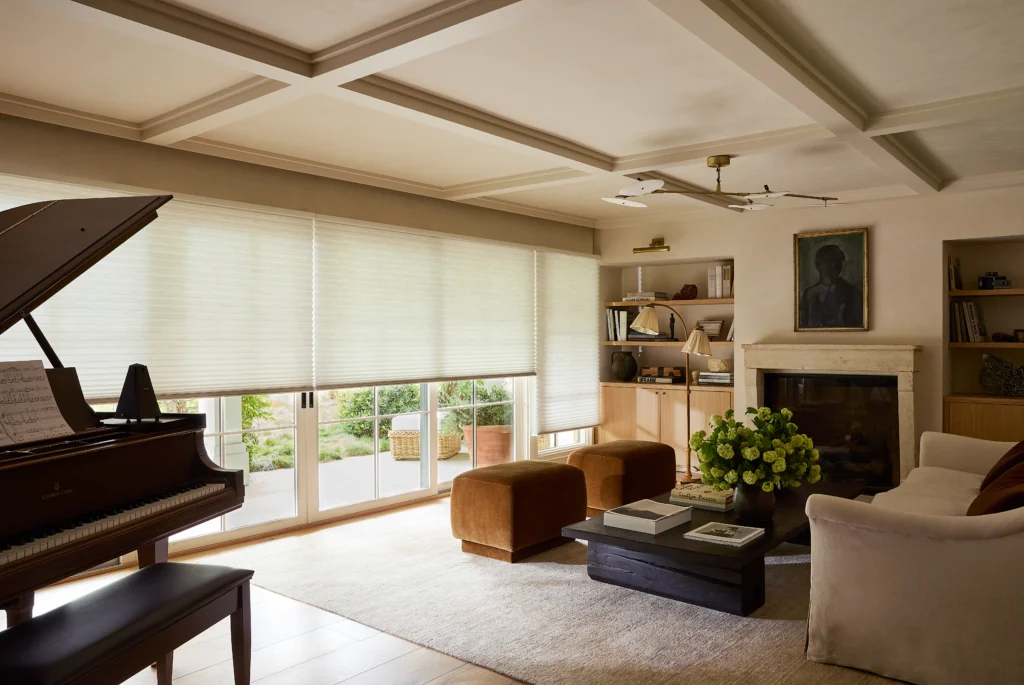
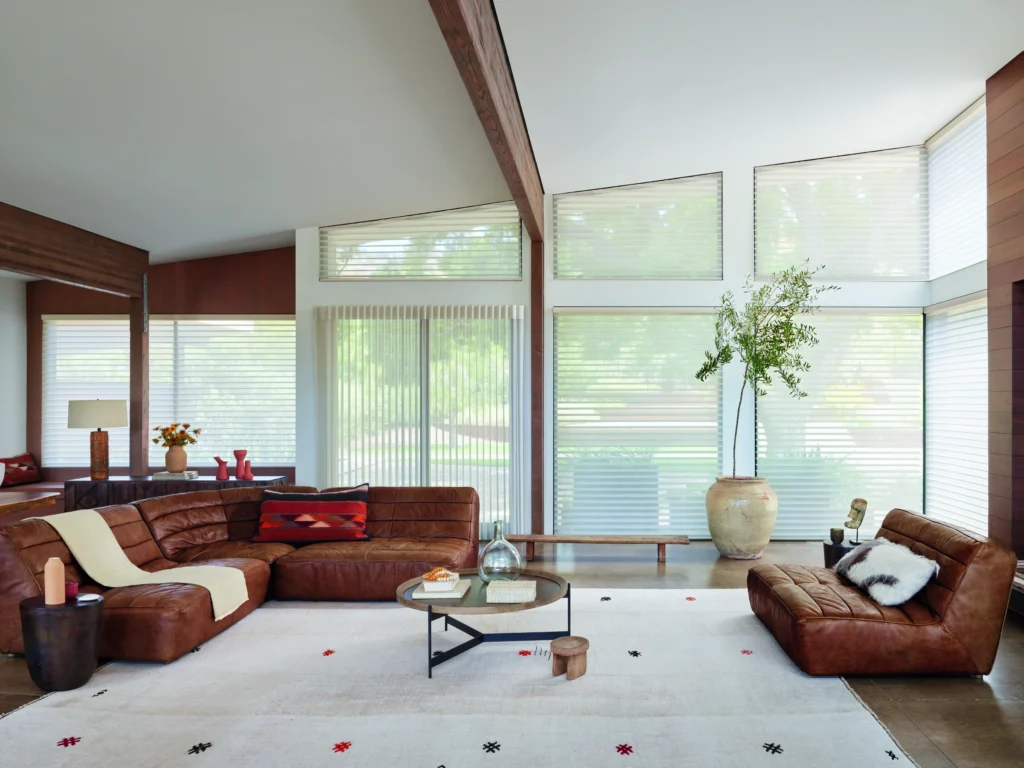
Color and pattern isn’t the only discussion about wallpaper vs. paint. Texture, maintenance, durability, installation, longevity and depth are all important factors for the decision-making process. Some people like the simple, clean look of a painted wall, others like the dimension and character wallpaper can add. Both have their benefits and drawbacks depending on the purpose of the space and homeowner preferences.
Another large visual surface in any interior is the wall. Their finish will have an impact on the atmosphere of the room and how furnishings, lighting, flooring and décor co-operate. With a little creativity and consideration, a wall treatment can enhance interior spaces dramatically, in a subtle way, without dramatic changes to the architecture.
The walls are not a backdrop, they are a design element. Interiors are designed using refined wallpaper applications and strategically chosen paint finishes to achieve a sense of cohesion, layering and timelessness. The use of materials is centered on balance, visual harmony and appeal.
We will discuss the different aspects of wallpaper and paint and what are the best options. Knowing these differences can assist many in making a selection that is best suited to their space, choice and daily needs.
Cost Comparison

When choosing between wallpaper vs paint, cost is one of the first factors that has to be taken into account. Paint is the cheaper alternative at the start, but value is more about long-term maintenance and durability, as well as the quality of materials chosen.
Initial Installation Costs
Generally, paint is less expensive than wallpaper, as most paint jobs involve some surface preparation, primer, paint and labor. Large areas of wallpaper may have higher labor costs because of the placement at the high-quality, textured end of the market. Other wallpaper projects might require pattern matching, lining the wall, certain adhesives and expert methods of installation for a flawless outcome. The installation of wallpaper at BD Home Studio is executed with precision, attention to detail and quality, with the result of a polished and harmonious finish.
Premium Materials Influence Pricing
One of the biggest considerations for walls is the wallpaper or paint that you use and how much it will cost. Other wallpaper materials, such as grasscloth wallpaper, linen wallpaper, metallic wallpaper and hand-printed wallpaper can definitely be costlier than a standard paint finish, depending on the materials used and their texture. Another element which could contribute to the cost of a project is higher quality paint brands, including specialty paint options, designer paint, or eco-friendly paint with increased durability and VOC reduction.
Long-Term Value Considerations
Wallpaper is more expensive upfront, but has a much longer lifespan than paint if installed and maintained correctly. Depending on where the wall is located, and how much traffic it sees, walls may need some touch-up or repainting every few years. A good wallpaper will last for over 10 years without fading or top layer damage. Long-term value can be influenced by the space usage, moisture and sun exposure, maintenance practices and installation quality.
Design Flexibility
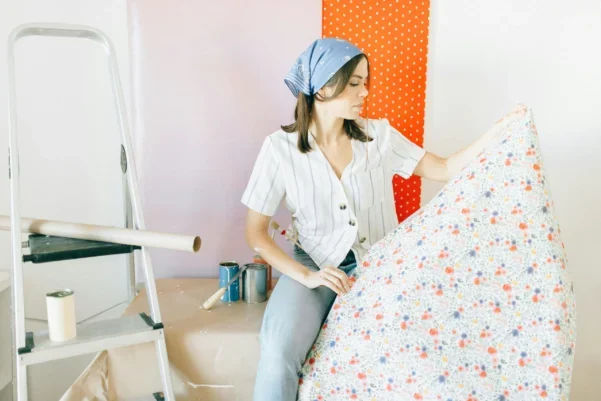
Wallpaper vs. paint becomes particularly relevant when it comes to the overall style of a room. Materials are both creative and flexible with design opportunities, but in vastly different ways. While wallpaper can add texture, pattern and layered detail to a room, paint can create a cleaner, more subdued look.
Paint Creates Simplicity and Versatility
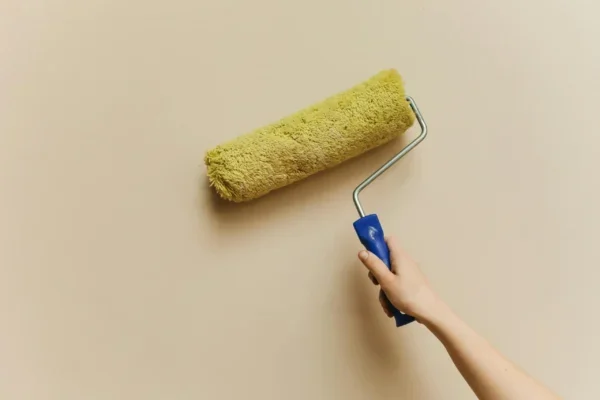
There are lots of options available in paint when it comes to color and finish. Ideal for interior spaces where simplicity, clean lines and understated layers are essential. Matte, eggshell, satin and semi-gloss are among the popular finishes; each produces a different light response and surface feel. A matte finish absorbs the light and produces a softer look, while satin and semi-gloss finishes reflect the light and provide a subtle contrast. Another advantage of paint is that it’s easy to change colors, which is great for homeowners who like to update or refresh their interior decorating quite often.
Paint Works Well in Transitional Spaces
Paint is a good choice in hallways, ceilings, open floor plan and less-is-more rooms when discussing wallpaper versus paint. The smooth visual flow of these spaces contribute to a cohesive and streamlined design. Paint makes walls flow together, particularly where there is a lot of movement or varying views.
Paint is another great complementary base for furniture, art and layered fabrics. This simplicity allows it to serve as a functional choice for areas where balance, openness, and design layering are paramount, creating a space that doesn’t compete with other design elements.
Wallpaper Introduces Depth and Character
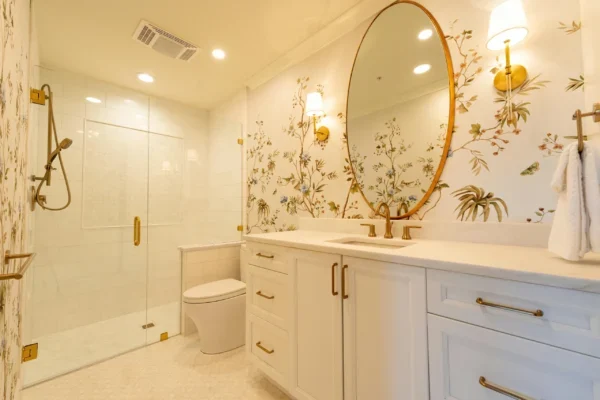
Wallpaper adds a texture and dimension to the wall that is not always possible to achieve with paint. It brings in variation of surface which alters wall interaction with light and space, thus adding depth and character to the interior.
Textured and patterned wallpaper gives architecture some depth, movement, warmth and tactile richness. All of these elements work to render a flat surface more interesting and dynamic, and to add to the design story of a room.
Wallpaper is particularly well suited for areas where a greater impact is needed, like feature walls, dining rooms, bedrooms and entryways, where detail and atmosphere are more significant to the interior experience.
Wallpaper Supports Statement Design
Wallpaper is a great choice for powder rooms, dining rooms, accent walls and bedrooms. Pattern and texture can be used effectively in these areas as they create natural focal points within the home, and then can be used to create more visual drama.
Wallpaper can be used to make a statement in a powder room, as a wallpaper can make a bold statement in a small room. Dining rooms look great with more patterns, adding rich depth and intimacy. Wallpaper is used to add softness, warmth or interest behind important furnishings in the bedrooms. Accent walls can serve to draw attention to a certain area and to create a sense of hierarchy in a space.
In BD Home Studio’s interiors, the wallpaper is often matched with custom window treatments, rugs, and decorative wall panels to form a unified look. This multi-layered design creates cohesive, well-balanced and purposeful environments.
Textured Wallpaper Enhances Lighting
A big difference between wallpaper and paint is how light reflects off of it. Wallpaper is different from flat painted walls as it adds texture and pattern, which will react to lighting changes all day.
The subtle variations in tone, shadow, and reflection are created by the grasscloths, metallic finishes, and embossed designs as light both natural and artificial plays across the surface. The variations bring depth and dimension providing walls that retain visual interest without overpowering.
This dynamic quality makes rooms more interesting, full and inviting, adding to the experience of light flowing in and out each morning and evening.
Durability and Maintenance
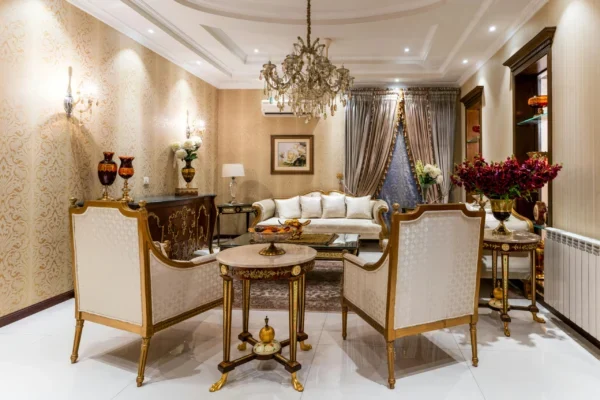
Another key consideration with wallpaper vs. paint is how it looks over time. The durability, maintenance and resistance to daily use and environment will vary by room. Certain areas or locations will have more traffic or moisture or exposure to sunlight, which will impact the longevity of each finish.
While wallpaper may provide more consistent color over time when installed correctly, high traffic areas might need more frequent maintenance if painted. But in rooms that are wet or overused, care may need to be taken in selecting the best materials for long-lasting performance.
Paint Is Easier to Touch Up
Children’s rooms, hallway and utility areas are practical applications for paint because small scuffs, scratches or stains can often be easily corrected by using a touch-up paint. Repainting is also simple if homeowners would like to update a room or simply update its appearance. The finish of the paint determines its moisture resistance: satin, semi-gloss and other finishes are more suitable for areas that are more likely to be exposed to moisture, whereas matte finishes are less resistant to moisture and are therefore better suited for bathrooms and kitchens that need to be cleaned regularly.
Over time though, paint may need more frequent touch-ups due to scuffs, fading, scratches and uneven wear in high-traffic areas, resulting in repeated paint touch ups.
Wallpaper Offers Long-Term Durability
Modern wallpaper products are much longer lasting and durable than their predecessors, particularly vinyl and performance wallpapers which are stain, moisture, scratch resistant and fade resistant. When the appropriate material is used for this area, they are ideal for a busy family home. The lifespan of the product is influenced by the way it is installed. If the wall is not properly prepared, if it is installed improperly, or if it is glued with inadequate adhesives, the product life can be shortened and problems such as peeling or bubbles may occur. When installed professionally, the seams are smooth, the adhesive has enough tack, and the pattern is aligned properly and will not cause problems over time. Lots of modern wallpapers are also washable, which makes it easy and convenient to take care of them.
Performance wallpapers are particularly ideal for dining rooms, powder rooms and entryways, where they keep a clean and tidy look with very little effort.
Visual Impact Differences
When it comes to atmosphere and depth, wallpaper vs. paint can be most obvious. Either choice can have a profound emotional and architectural impact on a room and can convey their mood, sense of space and design character. Making use of pattern and texture with wallpaper can add richness and dimension to the space, while using paint can provide a clean and consistent background that enhances simplicity and openness.
Paint Creates Clean Simplicity
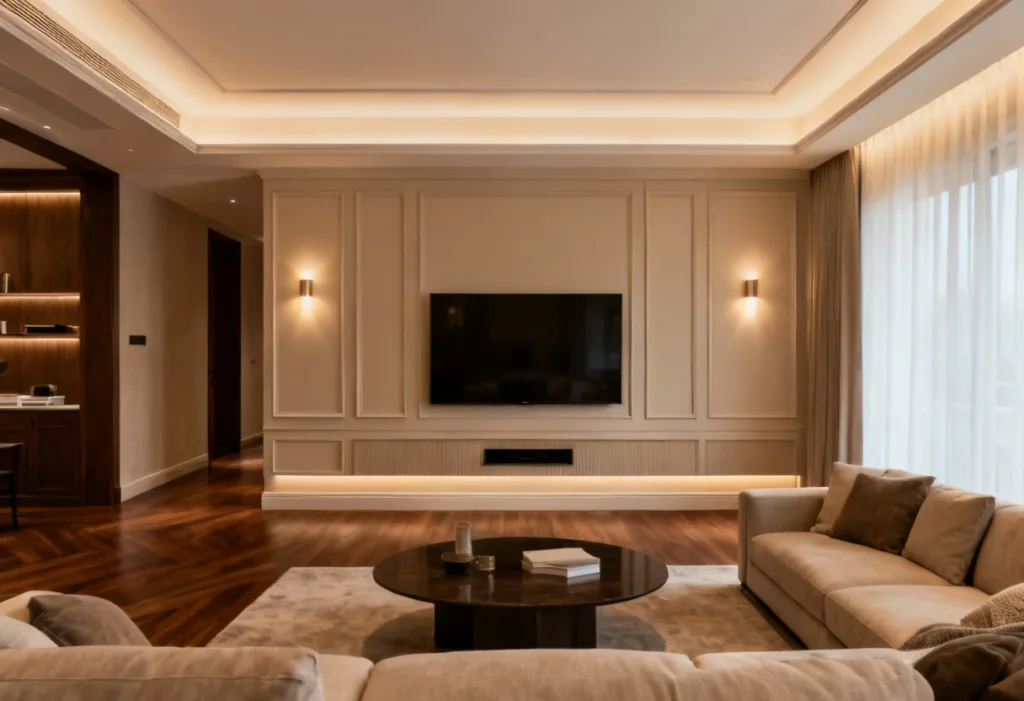
Painted walls create a clean, subtle effect and are great for spaces that are mostly blanketed with minimal furniture, open space, architecture and neutral color schemes. When you use paint as a design element, it provides a simple background to the rest of the design elements, like furniture, lighting, and décor, to create a more visual appeal.
Large spaces often benefit from paint because it creates visual continuity and a calmer atmosphere. Designers frequently use harmonious color palettes to connect adjoining areas and maintain balance throughout the home.
Matte finishes absorb light and reduce glare, making them ideal for bedrooms and living spaces. In painted interiors, texture is largely provided by the finish rather than by a pattern or by adding variation in material, and walls have a smooth, but natural presence.
Wallpaper Adds Dimension and Luxury
Texture, movement, and visual richness are elements that wallpaper can add to a painting that paint alone can’t. In the wallpaper vs paint debate, wallpaper can enhance the interior experience by adding detail and pattern to flat surfaces, creating a more immersive and interesting interior.
Wallpaper helps to make small spaces more memorable. When using textured or patterned wallpaper in the powder room, entryways, or reading areas, the wallpaper adds a more interesting character to the room. The small spaces can benefit from dramatic design elements, since they’re naturally framed and can create a greater impact without dominating the house.
Ceiling wallpapers are also getting popular, for their ability to enlarge the design potential. This “fifth wall” approach gives depth, architectural interest and light texture as well as helps to better perceive light and size within a room. It provides a more balanced and deliberate interior design.
Wallpaper applications at BD Home Studio are frequently integrated with the lighting design and wall paneling, which is done to ensure harmony and balance in the lighting throughout the space.
When to Choose Each Option
When considering wallpaper vs.paint, it ultimately comes down to the use of the room, the mood you are trying to achieve, and how long you plan to keep the wallpaper. Every space is unique, with its own requirements for strength and maintenance, appearance, and design flexibility. How the room is used daily will help you to decide which option will be more effective in the long run and will more closely match your interior decorating style.
Choose Paint When:
If you are looking for flexibility in the future, a lower initial cost, touch up options, no visual texture, and a modern look, you might want to consider paint. It can be easily used to update interiors without a lot of time and money, making it a practical solution when design tastes change.
It’s perfect in open spaces and minimalist rooms with a neutral background that unifies the elements with a consistent style, making furniture, lighting, and architecture stand out without dominating the room.
Choose Wallpaper When:
If you prefer to have layered texture, make walls that stand out, long-lasting walls, architectural depth, and a good luxurious wall’s visual impact, wallpaper might be a better option. It adds pattern, variation of materials and surface detail which cannot be created purely with paint.
Rooms that prioritize atmosphere and visual depth often benefit from wallpaper. Pattern and texture help create focal points while adding character to the overall design.
Creating Stronger Focal Points With Wallpaper
The interior’s accent walls and fully wall-papered rooms, of course, stand head and shoulders above the rest and create very apparent focal points. They add dimension, detail and texture at the outset which influence the perception of a space. In formal or intimate environments like the dining room, bedroom and entryways, wallpaper is particularly effective since it’s used to create atmosphere and impact.
Combining Both Options Often Works Best
Sometimes it isn’t just a case of “wallpaper vs. paint”, many homes work best when wallpaper and paint are used together in a strategic mix. The combination of using each material in its best environment results in a harmonious and useful interior.
For instance, a powder room with wallpaper might add more pattern and character in smaller, contained spaces, while painted primary living rooms will keep them open and visually connected. Textured accent walls can create focal points in a room, and painted ceilings with accent wall paper can help pull the proportion and give it a bit of contrast.
This multi-faceted design will provide variation, but not over-stimulation, so that wallpaper vs. paint can work together to add atmosphere and design support throughout the home.
Finding the Right Balance for Your Home
There is more to wallpaper than just fashions or price. It’s more than just about how materials affect the atmosphere, durability and visual depth of a home. These all play different roles in overall design experience and affect perception and living of the space.
Paint is simple, flexible, easy to maintain and is perfect for clean and simple interiors. Wallpaper adds texture, dimension and character. It makes the image more interesting visually and adds layers. They both serve important purposes in interior design, depending on the purpose of the interior space.
Every wall treatment at BD Home Studio is chosen to be intentional, balanced and cohesive based on the architecture of the home, the function of the room and the space’s desired emotional experience.
Frequently Asked Questions (FAQs)
1. Which is more costly, wallpaper or paint?
Wallpaper typically comes at a higher price point for a couple of reasons. It’s expensive, and it takes more skills to install professionally. Grasscloth wallpaper, and textured products are notably more costly than a paint wallpaper. But as long as a wallpaper can last when taken care of properly, much longer than paint can. In high traffic areas, repainting paint may be needed every few years. Wallpaper can last for more than ten years. Long-term value is related to longevity, upkeep, and space utilization. Either can have considerable variation in quality of materials.
2. Which is more difficult to keep: wallpaper or paint?
Small scuffs and marks are usually easier to repaint, making paint easier to touch up. But wallpaper will hold up more over time, depending on the type of material used. Today’s wallpapers are washable and meant to last a long time. Paint may need to be maintained more often in high traffic areas. The quality of wallpaper installation also impacts on the long-term performance. Both has to be done in an appropriate way in order to have the best results. The maintenance requirements will vary significantly based on the usage and environmental conditions of the room.
3. In which parts of a house should the wallpaper be used?
Spaces that benefit from visual impact and layered texture often work well with wallpaper applications. Powder rooms, bedrooms, dining rooms, and accent walls are among the most popular choices. Smaller areas also benefit from wallpaper because it adds depth and atmosphere without overwhelming the design. Textured finishes can soften lighting and create a warmer appearance throughout the room. Many homeowners choose wallpaper to give selected spaces more personality and visual interest. Proper placement and scale is provided by professional guidance.
4. Is it possible to use wallpaper in conjunction with paint?
Yes, wallpaper and paint frequently go hand-in-hand, and is the most striking combination. For larger spaces, paint is applied to the space and wallpaper is applied to the focal areas. This approach will provide a variation but not dominate the appearance of the house. Wallpapers can enhance the architecture or be used to create an intimate feel in smaller rooms. Paint is used to give continuity in open layouts. The mix provides homeowners with a balance of simplicity and texture. The colors and materials are nicely coordinated and create a cohesive appearance.
5. What can BD Home Studio be used for?
For each room at BD Home Studio, the architecture, lighting, lifestyle and design goals are considered. Wallpaper, paint or both is recommended by design. Material selection concentrated on texture, durability and visual balance over time. Window treatments, decorative panels, and rugs are also often matched with wallpaper. It is installed professionally for an exact fit and quality. It aims to design interiors that are layered, refined and comfortable. All wall treatments are chosen to work together in a design ensemble.
Ready to Transform Your Walls with Confidence?
Once you haev the design and with the assistance of a professional, it is easy to choose wallpaper vs paint. Both have their advantages depending on the use and/or the aesthetic of the area. Paint adds clean simplicity and versatility, wallpaper adds layers, texture and character to shift the character of a room.
The right wall treatment can make or break an interior, whether it’s to create ambiance or to evoke the mood or to create harmony. When carefully selected, it will enhance the house’s aesthetics and functionality.
At BD Home Studio, you are given guidance regarding the material, texture and finish you should employ to best complement your room and its intended use and desired look. Call today to learn how a refined wall design can enhance the beauty, function and longevity of your home.
 info@bdhomestudio.com
 9560 Blenheim Blvd, Fairfax, VA 22031
  +1 571 470 9440