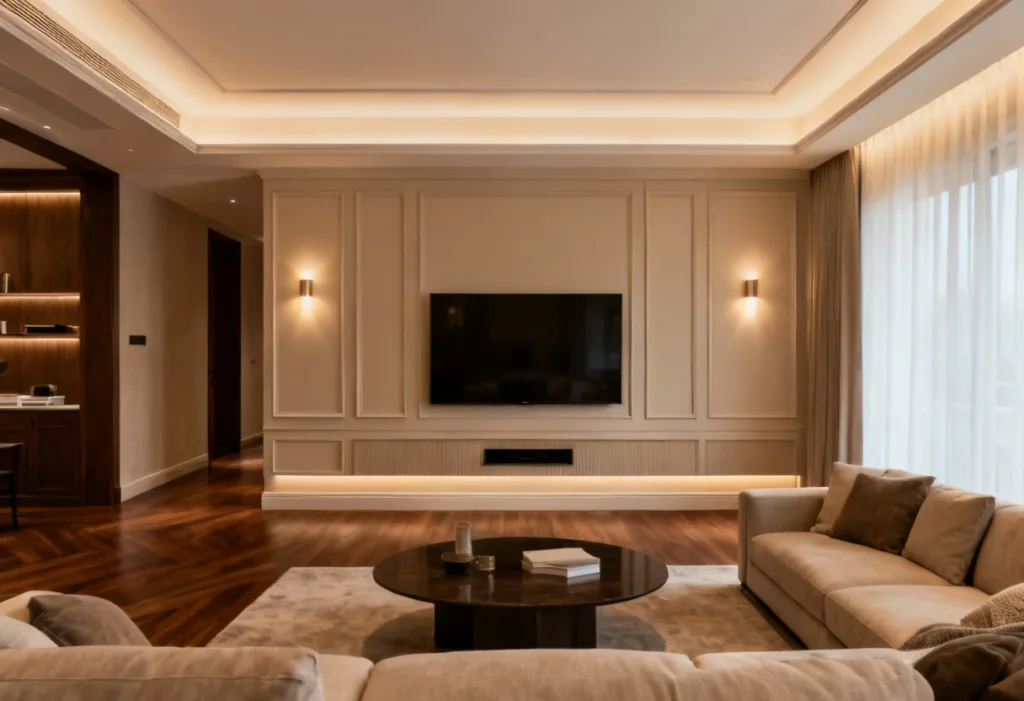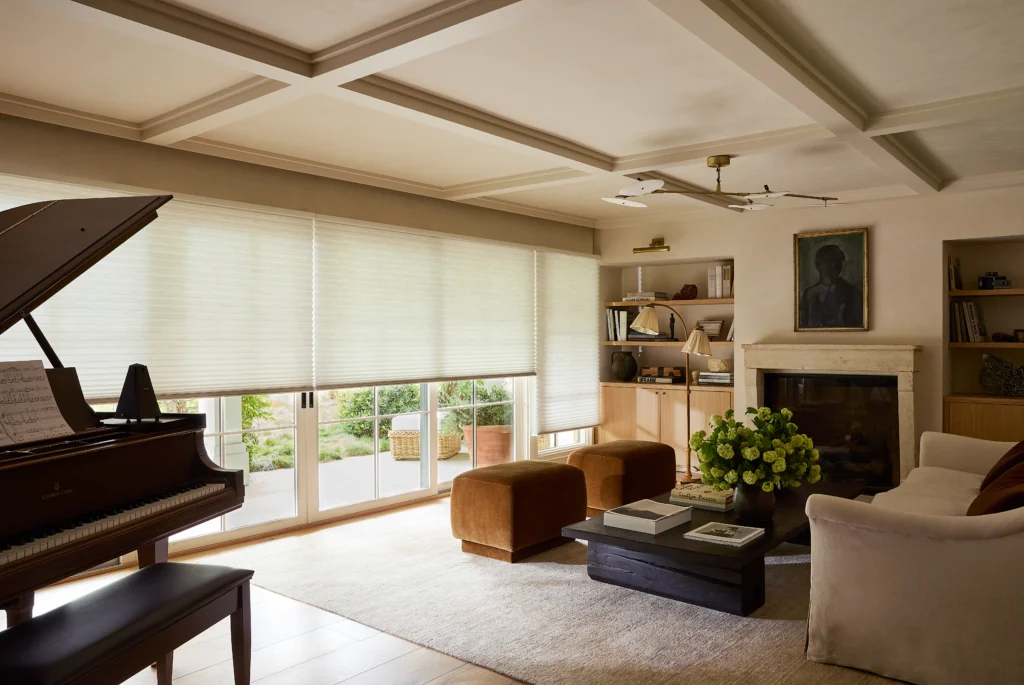
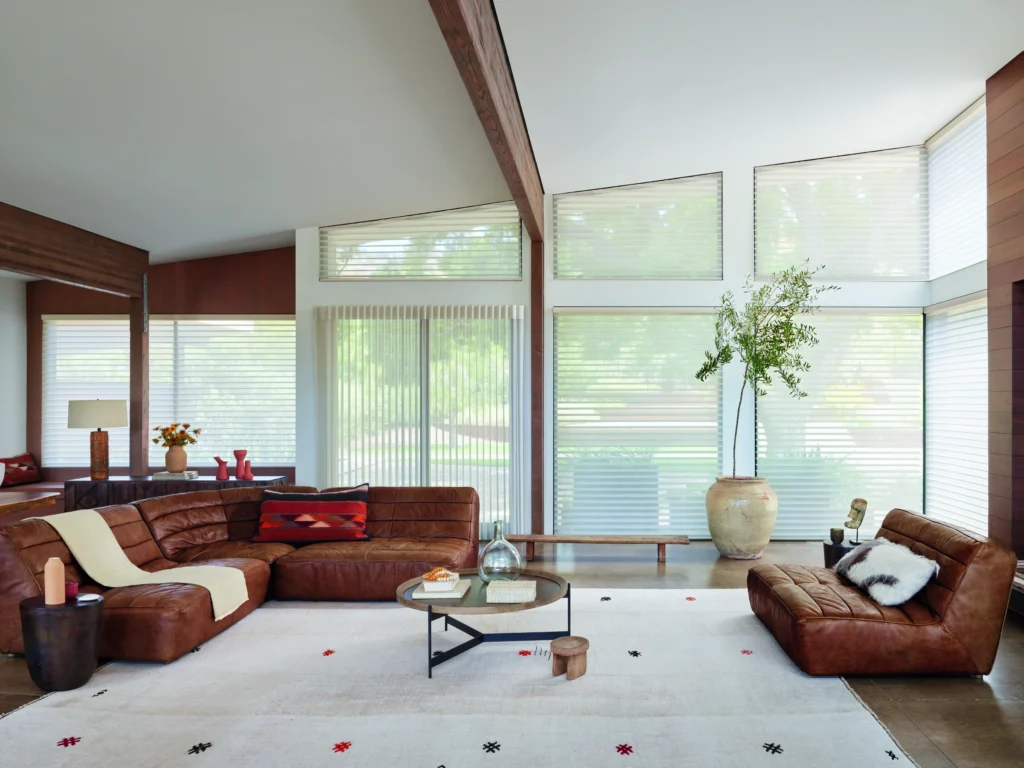
Investment furniture forms the foundation of a well-designed home. It shapes how a space looks. It also shapes how a space performs over time. These pieces provide durability. They provide comfort. They deliver long-term value. Accent pieces add personality. Accent pieces add flexibility. They are easier to change and update. Budget decisions influence how well a space ages. Strong investment choices reduce the need for frequent replacement. Poor allocation leads to higher long-term cost.
At BD Home Studio, furniture selection follows a clear strategy. Each piece is evaluated for construction quality, assessed for material integrity, and each item is reviewed for its role in the overall room composition. The goal is balance between structure and style. This guide explains how to identify true investment furniture. It also shows how to balance investment pieces with accent items in a practical way.
What Makes a Piece of Furniture a "True Investment"?
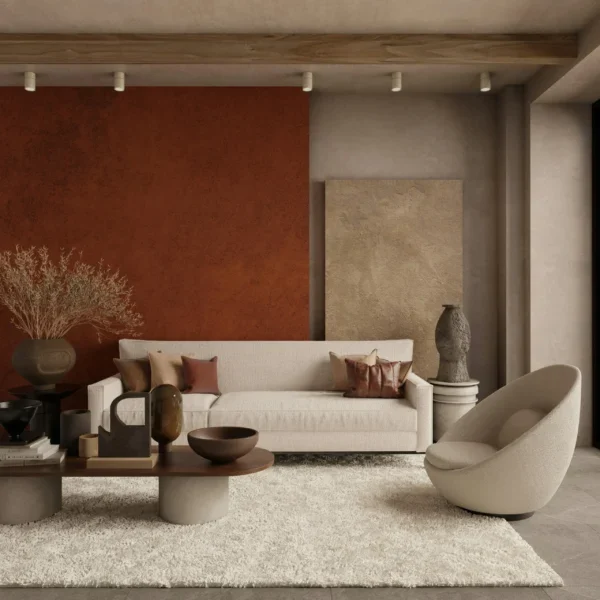
Not all furniture is built for long-term use. Investment furniture is defined by durability. It maintains structure over time, retains appearance through daily use, and supports comfort without breaking down quickly. These pieces are designed to handle consistent wear while preserving quality and function.
Several factors determine whether a piece qualifies as an investment. Construction quality plays a major role. Strong frames and solid joinery increase lifespan. Material selection also matters. High-quality wood, metal, and upholstery perform better over time. Craftsmanship affects both durability and finish. Design also contributes to longevity. Timeless styles remain relevant longer than trend-based pieces.
Together, these elements define true investment furniture. They ensure the piece delivers value over time and reduces the need for frequent replacement.
Solid Wood Frame Construction vs. Engineered Wood
The internal structure of a furniture piece determines its long-term durability. Solid wood frames provide strength and stability. They resist warping over time, handle daily use without losing shape, and support consistent performance in high-use areas.
Engineered wood offers a more affordable option. It can perform well in light-use conditions, may weaken with constant pressure or weight, and may lose structural integrity over time. This affects both stability and lifespan.
Investment furniture prioritizes solid construction from the inside out. Strong frames support the entire piece. They maintain alignment and balance through years of use. This ensures the furniture remains structurally sound and reliable over time.
High-End Joinery (Dovetail, Mortise and Tenon)
Joinery methods play a major role in how furniture holds together over time. Strong joinery increases durability. It supports structural stability under daily use. Techniques such as dovetail joints and mortise-and-tenon construction create tight, interlocking connections. These methods reduce reliance on adhesives and metal fasteners.
Well-executed joinery allows furniture to handle movement and weight without loosening. It prevents shifting in key stress points and maintains alignment across the entire piece. This results in longer-lasting performance and consistent support.
High-quality joinery often remains hidden from view. It does not rely on visible features for impact. It works behind the surface to hold the structure together. This hidden craftsmanship defines the true integrity of investment furniture.
Premium Cushioning and Performance Upholstery
Comfort and durability work together in upholstered furniture. Both factors determine long-term performance. High-density foam provides strong support. It retains shape over time. Layered cushioning adds comfort and structure. It improves seating experience without quick breakdown. Durable fabrics protect the surface. They resist daily wear and maintain appearance.
Performance upholstery increases usability in busy spaces. It resists stains from spills, reduces fading from sunlight exposure, and holds up under frequent use. This makes it suitable for high-traffic areas such as living rooms and family spaces.
Investment furniture is designed for consistency over time. It maintains comfort through repeated use, preserves its visual quality, and reduces the need for frequent replacement. This balance of comfort and durability supports long-term value.
The "Splurge" Items: Where You Should Never Compromise
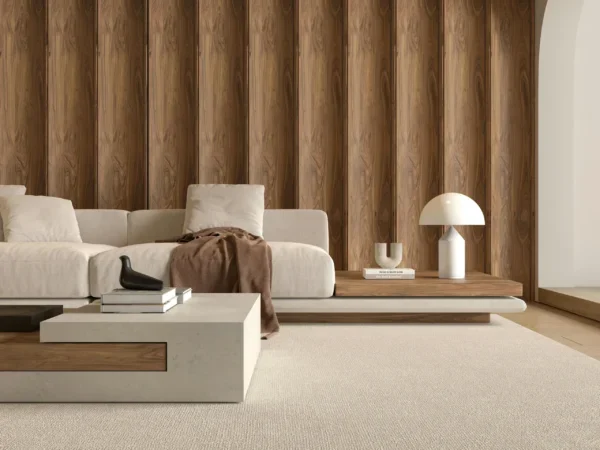
Certain furniture pieces act as the backbone of a room. These items define the layout. These items anchor the design. They receive the most daily use. They carry the strongest visual presence in the space. High-use pieces include sofas, dining tables, beds, and primary seating. These items support daily routines. They influence comfort throughout the day. They also shape how the room is experienced and used.
Investing in these elements improves durability and performance. Strong construction supports long-term use. Quality materials maintain appearance over time. Proper design ensures lasting comfort. These choices reduce the need for frequent replacement and support a more stable, well-functioning interior.
The Living Room Sofa: The Anchor of Comfort
The sofa is often the most frequently used piece in a home. It serves as a central gathering point, supports daily relaxation, and anchors the visual layout of the living space. Its size and placement influence how the entire room feels and functions.
Investment furniture in this category should focus on core performance features. Durable frame construction provides long-term stability. Solid internal structure prevents sagging and shifting. Supportive cushioning maintains comfort over time. High-density foam and layered support systems improve seating quality. High-quality upholstery protects the surface. It resists wear, fading, and daily use.
A well-made sofa maintains both form and function. It keeps its shape through regular use, preserves comfort across years of use, and reduces the need for early replacement. This makes it one of the most important pieces to prioritize when allocating a design budget.
The Dining Table: The Centerpiece of Gathering
Dining tables support daily meals, gatherings, and conversations. They function as a central surface for shared experiences. They also act as a visual focal point in dining spaces. Their role requires both durability and stability under frequent use.
Solid wood construction provides strength and long-term reliability. It resists warping and structural wear. Protective finishes help guard against scratches, stains, and moisture. These features extend the lifespan of the table while preserving its appearance.
Investment furniture in dining tables also depends on design longevity. Timeless shapes and balanced proportions remain relevant as trends change. Neutral finishes and simple forms allow the table to adapt to different interior styles over time.
The Primary Bed Frame: The Foundation of Rest
A bed frame supports comfort and structural stability. It anchors the bedroom layout, influences overall visual balance, and affects how the room feels and functions each day.
High-quality frames provide strong structural support. They reduce creaking during use, prevent shifting over time, maintain alignment under consistent weight, and extend the lifespan of the mattress.
Investment furniture in the bedroom should focus on durability and proportion. Strong construction ensures long-term performance. Proper scale supports room balance and comfort. These qualities help the bed remain functional and visually consistent over time.
The "Save" Items: Where to Have Fun with Accent Pieces
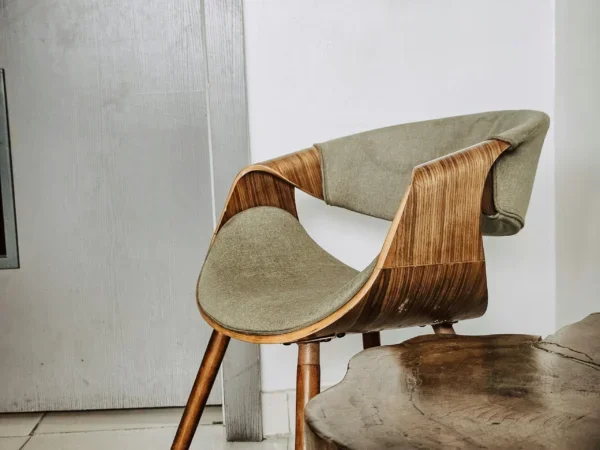
Investment furniture provides structure. It defines the core function of a space, supports daily use, and establishes long-term stability in the home. Accent pieces serve a different role. They add variety, introduce color, texture, and personality, allow for seasonal updates and style changes, do not require long-term commitment, and can be replaced or refreshed more easily. This balance supports a flexible interior. Strong foundational pieces remain consistent. Accent pieces evolve over time. The result is a space that feels stable yet adaptable.
Side Tables and Occasional Chairs
Side tables and occasional chairs introduce flexibility into a space. They add variety in form and function, are used less frequently than primary furniture, experience less daily wear, and do not require the same level of structural investment. These pieces allow experimentation with materials, colors, and shapes. They can introduce contrast within a room, can add texture or visual interest, and can be updated more easily as preferences change. Even with their flexibility, they should still complement larger furniture. Their design should support the overall composition of the room. They should enhance balance without overpowering core investment pieces.
Trend-Driven Decor and Lighting
Decorative accessories and lighting often follow design trends. Styles change quickly. What feels modern today may feel outdated later. Heavy investment in these items reduces flexibility over time.
Choosing adaptable, moderately priced options allows easier updates. Homeowners can refresh a space without major cost. Lighting and accessories can shift with seasons or evolving preferences. This keeps interiors current without changing core furniture.
Accent pieces add personality to a space. They introduce color, texture, and character, complete the overall design, and also keep the interior dynamic and visually engaging while the main furniture remains consistent.
The Cost of "Fast Furniture" vs. The Longevity of Heirloom Pieces
Fast furniture offers immediate affordability. It often uses lower-quality materials. It often relies on simpler construction methods. This leads to faster wear and reduced lifespan. Early replacement becomes common with fast furniture. Pieces lose structure over time. Comfort decreases with repeated use. Surface quality also declines. Repeated purchases add up in cost over time. Investment furniture focuses on longevity. It uses stronger materials and better construction, maintains structure through daily use, and preserves comfort and appearance for years. This reduces the need for frequent replacement. This also supports sustainability. Fewer replacements mean less waste. Longer-lasting pieces reduce resource consumption. A home becomes more efficient and more durable over time.
How to Identify Timeless Silhouettes That Won't Age
Timeless furniture design relies on proportion, balance, and simplicity. Clean lines support long-term visual appeal. Thoughtful detailing keeps pieces relevant across changing trends. These elements create stability within an interior. Timeless investment furniture often uses neutral color palettes. These tones integrate easily with different design styles. Balanced proportions ensure the furniture fits comfortably within a space. Minimal ornamentation keeps the design flexible and enduring. Adaptable materials support use across evolving interiors. Trend-driven shapes often age quickly. Strong stylistic features can limit future design compatibility. Simpler forms maintain relevance for longer periods. This reduces the need for frequent replacement or redesign.
At BD Home Studio, furniture selection prioritizes enduring silhouettes. Each piece is chosen to complement multiple styles. Each design supports future flexibility. This approach allows interiors to evolve naturally without major structural changes.
Build a Home That Lasts with Thoughtful Furniture Choices
Investment furniture provides stability and long-term value in a home. It supports daily function. It maintains structure over time. It anchors the overall interior design. Accent pieces add variety and flexibility. They introduce color, texture, and personality. Together, they create a balanced and cohesive environment. At BD Home Studio, furniture decisions are guided with clarity and intention. Each selection is evaluated for quality and design compatibility. Each investment is chosen to support the overall composition of the space. The goal is a unified interior that feels consistent and well-planned. Furnishing a home with quality in mind improves long-term results. Fewer, better pieces reduce clutter. Durable furniture reduces replacement needs. A curated selection maintains a refined appearance over time. This approach supports both practicality and lasting design value.
Frequently Asked Questions (FAQs)
1. What are investment furnitures and why are they important?
Investment furnitures are high-quality pieces designed for long-term use. They are built with durable materials and strong construction methods. These pieces maintain their appearance and functionality over time. Investing in them reduces the need for frequent replacements. They also contribute to a more cohesive and refined interior. While the initial cost may be higher, the long-term value often outweighs it. They form the foundation of a well-designed home.
2. Which furniture pieces should I prioritize as investments?
Key pieces such as sofas, dining tables, and bed frames should be prioritized. These items experience the most use and have a strong visual presence. Investing in their quality ensures comfort and durability. Other pieces, like storage units or large seating arrangements, may also qualify depending on usage. Accent items can be more flexible and budget-friendly. Prioritizing investment furnitures helps create a stable foundation. This approach balances cost and longevity effectively.
3. How can I tell if a piece of furniture is high quality?
High-quality furniture often features solid wood construction and strong joinery methods. Look for details such as dovetail joints or reinforced frames. Upholstered pieces should have dense cushioning and durable fabrics. Weight and stability can also indicate quality. Inspecting materials and craftsmanship helps determine longevity. Trusted designers and showrooms provide guidance during selection. These factors ensure you are choosing true investment furnitures.
4. Is it better to mix investment furniture with affordable pieces?
Yes, combining investment furnitures with affordable accent pieces creates balance. Investment pieces provide durability and structure, while accent items add flexibility. This approach allows you to update your space without major expenses. It also keeps the design adaptable over time. Mixing both types ensures practicality and creativity. Designers often recommend this method for long-term success. It helps maintain both quality and variety within the home.
5. How does BD Home Studio help with furniture selection?
BD Home Studio begins by understanding your lifestyle and design preferences. Designers evaluate each room to determine which pieces require investment-level quality. They recommend materials and construction methods that support long-term use. Accent pieces are selected to complement the overall design. The process includes coordination of finishes and proportions. Professional guidance ensures each choice aligns with the space. This approach results in a cohesive and functional interior.
Ready to Invest in Furniture That Stands the Test of Time?
Investment furniture is more than a purchase. It is a long-term decision that shapes daily living, influences comfort, affects function, and defines the overall feel of a home. Choosing quality materials improves durability. Strong construction supports everyday use. Timeless design ensures long-term visual appeal. These factors work together to create a home that stays balanced and comfortable over time. At BD Home Studio, expert guidance helps simplify these decisions. Each recommendation is based on lifestyle needs and design goals. Each selection focuses on long-term value and cohesive interiors. Schedule a private consultation to begin building a home with intention. Focus on pieces that offer lasting performance, refined design, and consistent comfort for years to come.
 info@bdhomestudio.com
 9560 Blenheim Blvd, Fairfax, VA 22031
  +1 571 470 9440