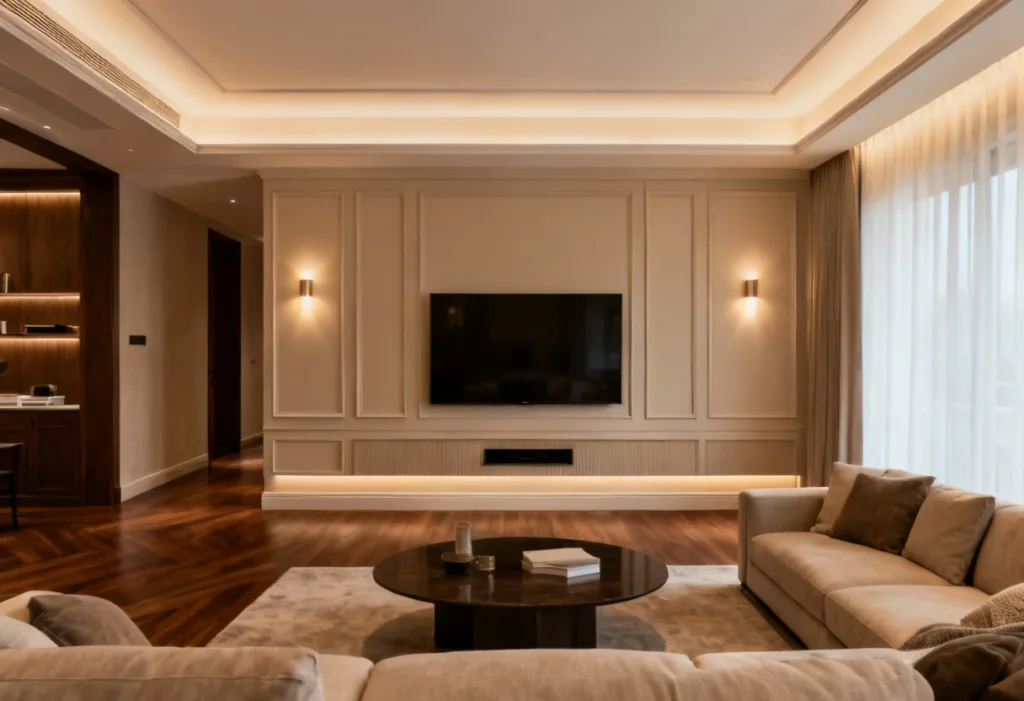
Window shades play an important role in maintaining indoor comfort while helping homeowners manage energy use throughout the year. In warm climates and sun-exposed interiors, untreated windows allow heat to enter quickly, raising indoor temperatures and increasing reliance on air conditioning. Thoughtfully selected shading systems improve insulation, reduce glare, and protect furnishings from long-term sun exposure.
At BD Home Studio, shading solutions are designed as part of a coordinated interior plan rather than an afterthought. Each installation responds to window orientation, ceiling height, and surrounding finishes so that performance and visual balance support one another. The result is a home that feels cooler, calmer, and more refined from morning through evening.
This blog explores how energy-efficient window treatments improve indoor comfort, protect interiors, and contribute to a polished architectural look.
How the Right Window Coverings Can Lower Your Energy Bills
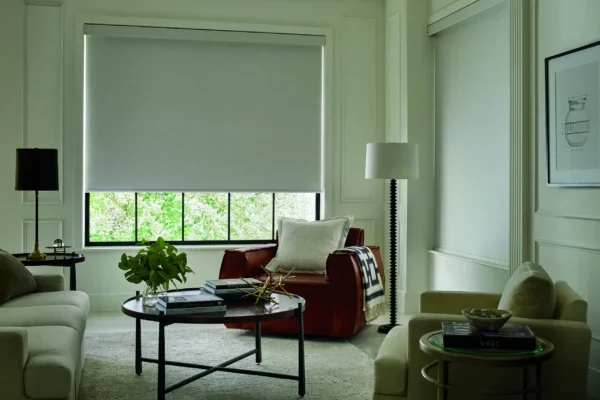
Windows are one of the most significant sources of temperature fluctuation inside a home. During sunny hours, glass surfaces allow solar heat to pass indoors. In cooler periods, they can also release conditioned air back outside. Without shading support, indoor climate systems must work harder to maintain stable temperatures.
Energy-efficient shades help reduce this exchange by creating a buffer between interior air and exterior conditions. Fabric layers slow heat transfer and soften direct sunlight before it reaches flooring and furniture surfaces. Over time, this contributes to more stable indoor temperatures and less strain on climate systems.
Homes with large windows or open layouts benefit especially from performance-based shading because properly selected and installed systems help reduce glare across living areas, maintain more consistent indoor temperatures, improve comfort during peak sunlight hours, protect furnishings from sun exposure, and lower dependence on cooling systems.
BD Home Studio evaluates window placement and daily sun exposure before recommending shade materials, ensuring each room receives the right balance between natural daylight, insulation performance, and long-term interior comfort.
Protecting Your Interior: UV Rays and Furniture Fading
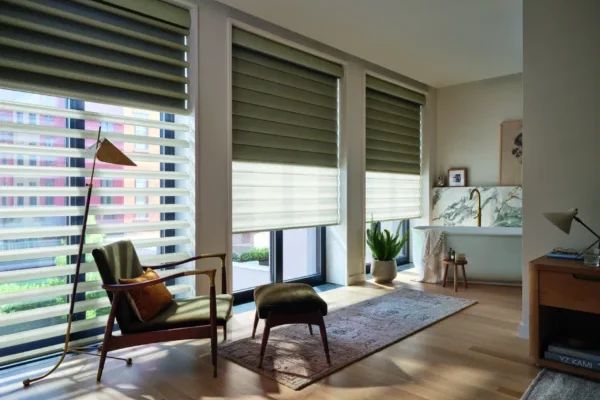
Sunlight adds warmth and brightness to a space, yet long exposure to ultraviolet rays gradually affects interior finishes. Wood flooring can lighten unevenly. Upholstery fibers weaken over time. Artwork and decorative textiles may lose color intensity.
Energy-efficient window shades help reduce these effects by filtering harmful UV rays before they reach interior surfaces. This protection is particularly valuable in rooms with strong southern or western exposure.
When coordinated with the home’s furniture selections, shading systems preserve the original tone and texture of interior materials while maintaining a comfortable lighting environment. BD Home Studio often recommends layered shading solutions in living areas where daylight is welcome but long-term surface protection remains important.
Proper fabric selection ensures that natural light remains present without compromising material longevity.
Top Shade Styles for Maximum Insulation
Different shade styles provide different levels of insulation and daylight control, which makes proper selection important for both comfort and efficiency. The right structure depends on how the room is used, how much sunlight enters during the day, and how much privacy or temperature support the space requires. Rooms with strong afternoon exposure often benefit from higher-insulation shade designs, while areas that rely on natural light throughout the day may need materials that soften brightness without blocking visibility. Choosing the appropriate shade style helps maintain balanced lighting conditions while supporting consistent indoor comfort across changing daylight hours.
Cellular (Honeycomb) Shades: The Industry Standard for Efficiency
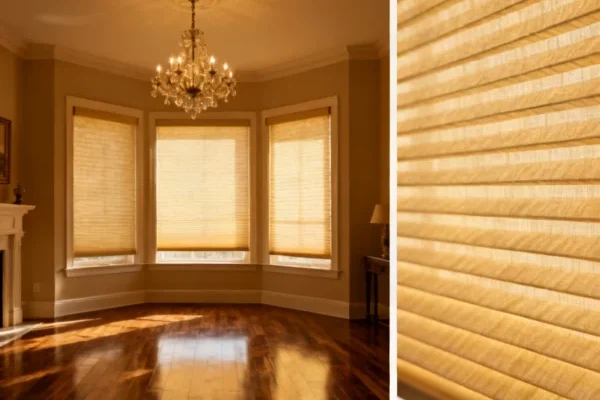
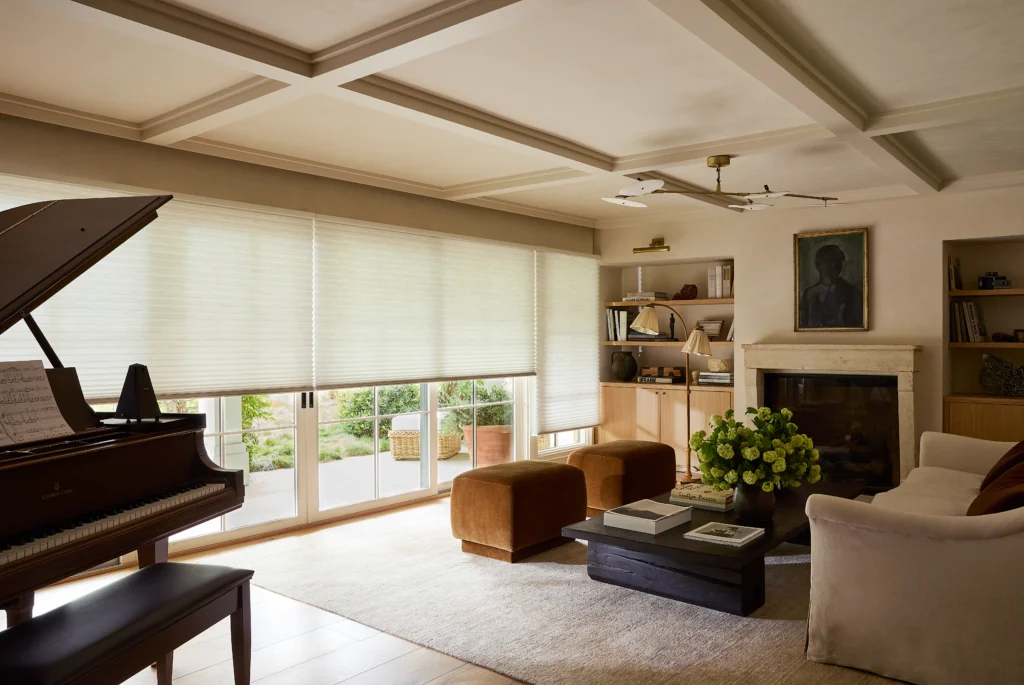
Cellular shades are widely recognized for their insulating structure and are among the most effective window treatment options for improving indoor comfort throughout the year. Their honeycomb-shaped pockets trap air between the window surface and the interior space, creating a protective thermal barrier that helps regulate indoor temperature and reduce energy loss through the glass. This design makes them especially useful in rooms that receive strong sunlight or experience noticeable temperature shifts during the day.
This layered construction improves performance during both warm and cool seasons. In sunny conditions, cellular shades help reduce incoming heat and glare, keeping living spaces more comfortable during peak daylight hours. During cooler evenings or colder months, they help retain conditioned indoor air, supporting more stable interior temperatures and reducing strain on heating and cooling systems.
Cellular shades are available in multiple opacity levels, allowing homeowners to balance privacy with daylight access depending on the needs of each room. Light-filtering options maintain a soft glow while preserving outside visibility, while room-darkening versions provide stronger privacy and light control. They are particularly effective in bedrooms, family rooms, and areas with large window expanses where insulation and comfort play an important role.
Because of their streamlined appearance and clean lines, cellular shades also integrate easily into modern and transitional interiors. Their minimal profile allows them to support energy efficiency without adding visual weight, making them a practical and stylish solution for homeowners seeking both performance and design flexibility.
Solar Roller Shades: Maintaining the View While Blocking the Heat
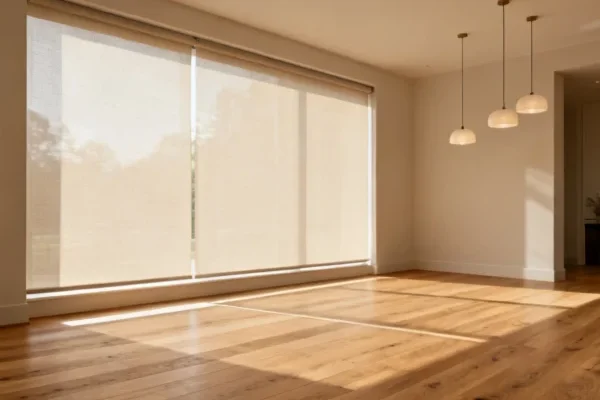
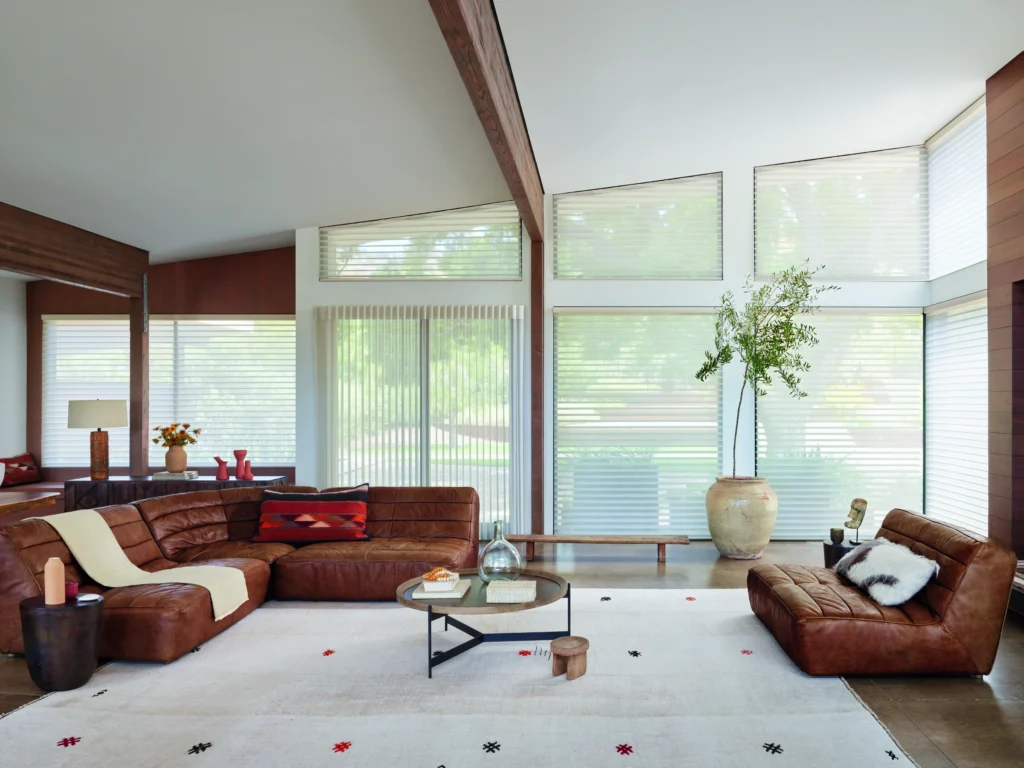
Solar roller shades provide an excellent solution for homeowners who want to preserve outdoor visibility while limiting solar heat gain. Their specialized performance fabrics filter sunlight instead of fully blocking it, allowing natural light to remain part of the room while reducing glare and excess brightness. This balance helps maintain comfortable interiors without sacrificing the visual connection to outdoor surroundings.
This makes solar roller shades especially useful in living rooms, dining areas, and kitchens where daylight supports everyday routines. By reducing glare on screens, countertops, and reflective surfaces, they improve comfort while keeping the space bright and usable throughout the day.
They are also available in varying openness levels, which allows designers to adjust how much light enters the room while maintaining appropriate privacy from exterior viewpoints. Lower openness fabrics provide stronger shading and privacy, while higher openness levels preserve more outdoor visibility and daylight.
BD Home Studio frequently incorporates solar roller shades in rooms where maintaining a visual connection to outdoor landscapes remains an important part of the interior experience. This approach helps balance energy performance, natural lighting, and architectural views within a cohesive window treatment plan.
Roman Shades with Thermal Blackout Lining
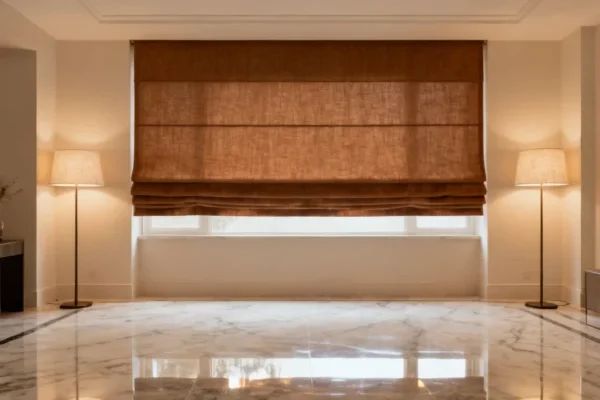
Roman shades combine structured elegance with practical performance. When paired with thermal blackout lining, they provide strong insulation while introducing soft architectural folds to the window. This makes them ideal for bedrooms and media rooms where light control supports relaxation and restful sleep. Their layered construction helps reduce heat transfer while maintaining a tailored appearance that complements surrounding furnishings.
Roman shades can also be coordinated with drapery panels to create layered window compositions that improve both performance and visual depth. Their versatility allows them to work comfortably within both classic and contemporary interiors.
The Role of Motorization in Climate Control
Motorized shading systems allow homeowners to respond to changing daylight conditions without manual adjustments, making it easier to maintain consistent comfort throughout the day. Automated operation ensures shades can be positioned precisely based on sun exposure patterns, helping reduce glare and manage indoor temperatures as lighting conditions shift from morning to afternoon.
This consistency improves overall energy performance because shading stays aligned with the home’s natural light patterns rather than depending on occasional manual repositioning. As a result, rooms remain more comfortable during peak sunlight hours, and cooling systems may operate more efficiently over time.
Motorization is especially valuable in homes with tall windows, hard-to-reach installations, or multiple exposure directions where sunlight changes throughout the day. It also supports integration with lighting and climate control systems, creating a more coordinated interior environment that responds automatically to daily routines and seasonal changes.
BD Home Studio incorporates motorized solutions when homeowners want reliable daylight management that adapts smoothly to lifestyle patterns. These systems help maintain consistent shading performance while supporting both comfort and energy-conscious living.
Automating Shades to React to the Sun's Position
Automated shading schedules can respond to predictable sunlight patterns throughout the day, allowing window treatments to adjust automatically as exterior conditions change. Morning positioning can allow natural light to enter gradually, supporting a comfortable transition from early daylight to full interior brightness. In the afternoon, shades can lower strategically to reduce solar heat gain during peak exposure hours, helping maintain cooler indoor environments without blocking daylight entirely.
These automated adjustments support comfort without requiring constant interaction from homeowners. Instead of manually repositioning shades multiple times each day, the system maintains alignment with the home’s natural light cycle. Over time, this consistency helps stabilize interior temperatures across living spaces and improves overall daylight management.
Motorized shading systems also contribute to long-term surface protection by limiting prolonged sunlight exposure on flooring, upholstery, artwork, and cabinetry. Reducing direct UV exposure helps preserve interior finishes and materials, adding another layer of value to a thoughtfully planned shading strategy.
Integration with smart-home platforms further enhances performance by allowing users to create shading scenes that match everyday routines. Shades can open gradually during morning wake-up periods, adjust automatically throughout the afternoon, and close in the evening to support privacy and relaxation. This coordinated approach helps transform window treatments into an active part of the home’s comfort and energy-efficiency system rather than a passive design element.
Layering Shades with Custom Drapes for Extra Insulation
Layered window treatments provide one of the most effective strategies for improving thermal performance because combining structured shades with tailored drapery introduces multiple material layers that help slow heat transfer across window surfaces. This layered barrier reduces the movement of warm air during summer months and helps retain conditioned air during cooler seasons, supporting more stable indoor temperatures throughout the day.
This approach improves both comfort and visual depth within the room. Drapery panels soften strong architectural lines around windows while enhancing the insulating performance of the shades installed beneath them. The added fabric layer helps reduce drafts near window openings and contributes to a more balanced lighting environment by filtering daylight more gradually.
Layered systems are especially useful in bedrooms and living rooms where both privacy and climate balance are priorities. In bedrooms, they support restful sleep by improving light control and temperature stability. In living areas, they allow homeowners to adjust daylight levels while maintaining a refined and welcoming atmosphere.
Coordinating shades with custom drapery also ensures that material selections align with surrounding furnishings, flooring tones, and wall finishes. This creates a cohesive interior look while strengthening the overall performance of the window treatment system.
BD Home Studio designs layered window compositions that support both energy efficiency and interior cohesion, helping homeowners achieve a balance between comfort, performance, and tailored design continuity across living spaces.
Upgrade Your Home with High-Performance Shading Systems
Energy-efficient shading improves more than temperature control. It enhances overall home comfort by balancing natural light, privacy, and visual structure within each room, creating spaces that feel more stable and enjoyable throughout the day.
BD Home Studio evaluates each project individually, considering factors such as window size, sun direction, and surrounding interior materials before recommending shading solutions. This ensures that every treatment is tailored to the home’s specific conditions and supports the architecture of the space rather than competing with it.
Whether installed as a standalone solution or as part of a layered window composition, performance-based shading systems help maintain consistent indoor comfort while also protecting furnishings, flooring, and finishes from excessive sun exposure. At the same time, they contribute to better light control and a more refined interior atmosphere.
Homes designed with coordinated shading strategies feel more balanced, easier to maintain, and visually complete. The result is a living environment where comfort, efficiency, and design work together seamlessly throughout the day.
Frequently Asked Questions (FAQs)
1. Do window shades really help reduce indoor heat?
Yes, window shades help reduce indoor heat by limiting how much solar energy passes through glass surfaces. Performance-focused fabrics slow heat transfer and reduce glare at the same time. Cellular shades are particularly effective because their structured pockets trap air and create insulation between the window and interior space. Solar roller shades reduce sunlight intensity while preserving outdoor visibility. When combined with layered drapery systems, insulation performance improves even further. Proper installation also ensures fewer gaps where heat can enter. Together, these features contribute to more comfortable indoor temperatures.
2. Which shade style offers the best insulation performance?
Cellular shades are widely considered one of the most effective options for insulation because of their honeycomb-shaped structure. These internal air pockets reduce both heat gain during warm months and heat loss during cooler periods. Roman shades with thermal lining also perform well when strong light blocking is required. Layered shading systems can further increase insulation performance across large windows. Fabric selection plays an important role in determining effectiveness. Professional guidance helps ensure the chosen structure matches the room’s exposure conditions. The right selection depends on both window orientation and daily usage patterns.
3. Can motorized shades improve energy efficiency?
Motorized shades support energy efficiency by adjusting automatically based on sunlight patterns throughout the day. This ensures windows remain protected during peak exposure hours without relying on manual adjustments. Scheduled positioning helps reduce overheating during afternoons and supports balanced daylight in the morning. Motorization is especially useful in rooms with large windows or multiple exposures. It also helps protect interior surfaces from extended UV exposure. Integration with smart-home systems allows shading to respond to changing routines. Over time, this consistency improves both comfort and temperature stability.
4. Will energy-efficient shades darken my home too much?
Energy-efficient shades are available in multiple opacity levels, allowing homeowners to maintain natural brightness while improving insulation. Light-filtering fabrics soften glare without blocking daylight completely. Solar roller shades preserve outdoor views while reducing heat intensity. Blackout options are typically reserved for bedrooms or media rooms where full light control is needed. Designers often combine different opacity levels throughout the home based on room function. This approach maintains brightness where desired while improving comfort in high-exposure areas. Careful planning ensures the interior remains balanced rather than overly shaded.
5. How does BD Home Studio select the right shading system for each home?
BD Home Studio begins by evaluating window orientation and daily sun exposure patterns within each room. Designers consider ceiling height, surrounding finishes, and furniture placement before recommending shade styles. Fabric samples are reviewed within the space so color and opacity can be assessed accurately. Installation methods are selected to support both performance and visual alignment. Motorization options may be introduced when automation improves usability. Layering strategies are recommended when additional insulation is needed. This coordinated approach ensures shading systems support both comfort and interior cohesion.
Create a Cooler, More Comfortable Interior with Thoughtful Window Shading
Energy-efficient window shades support interiors that feel calm, comfortable, and visually refined across changing daylight conditions. They help regulate indoor temperature, reduce glare, and protect furnishings from long-term sun exposure without limiting access to natural light.
BD Home Studio works closely with homeowners to identify shading solutions that respond to both performance needs and design goals. From cellular systems to layered drapery combinations, each installation is planned to support long-term comfort and architectural balance.
If your home receives strong daily sunlight or includes large window expanses, tailored shading strategies can make a noticeable difference in comfort and energy performance. A private consultation with BD Home Studio can help determine which systems best support your interior environment.
 info@bdhomestudio.com
 9560 Blenheim Blvd, Fairfax, VA 22031
  +1 571 470 9440