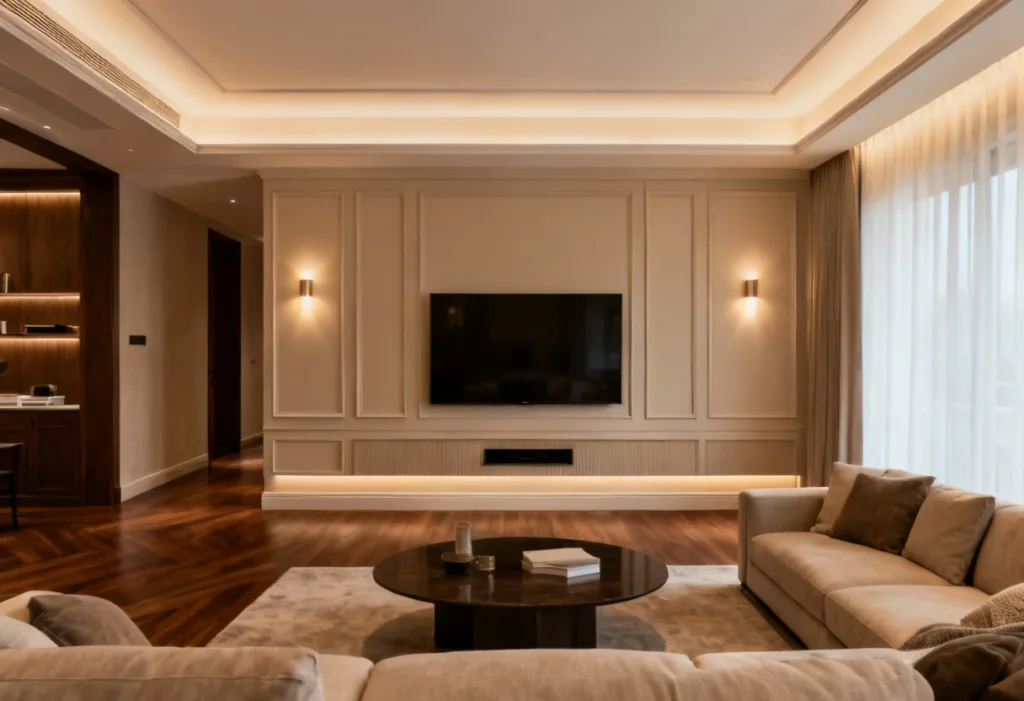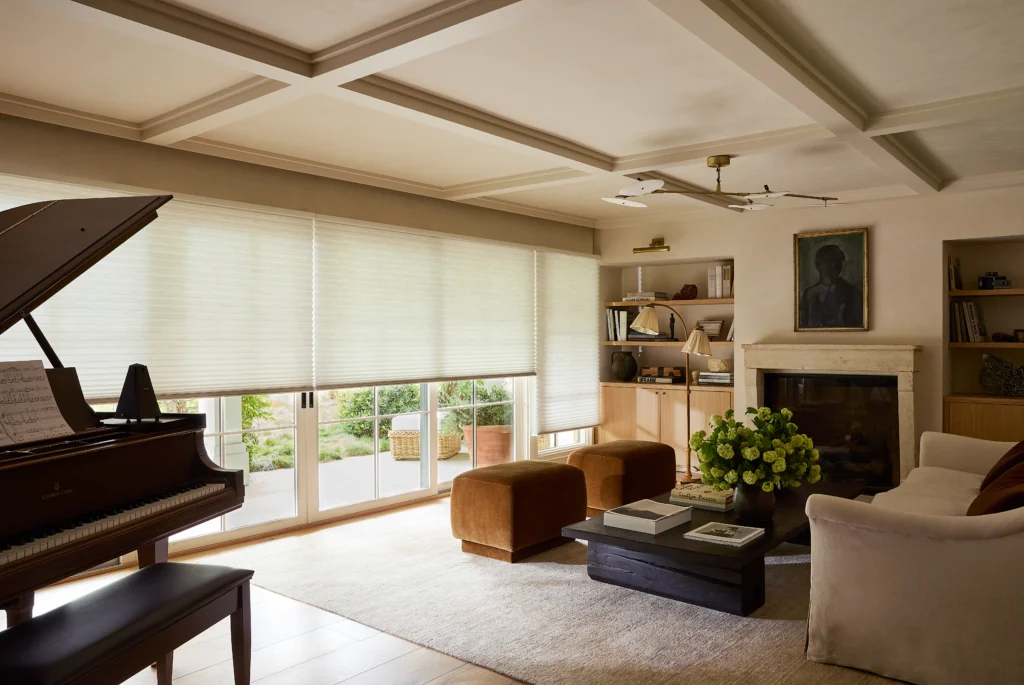
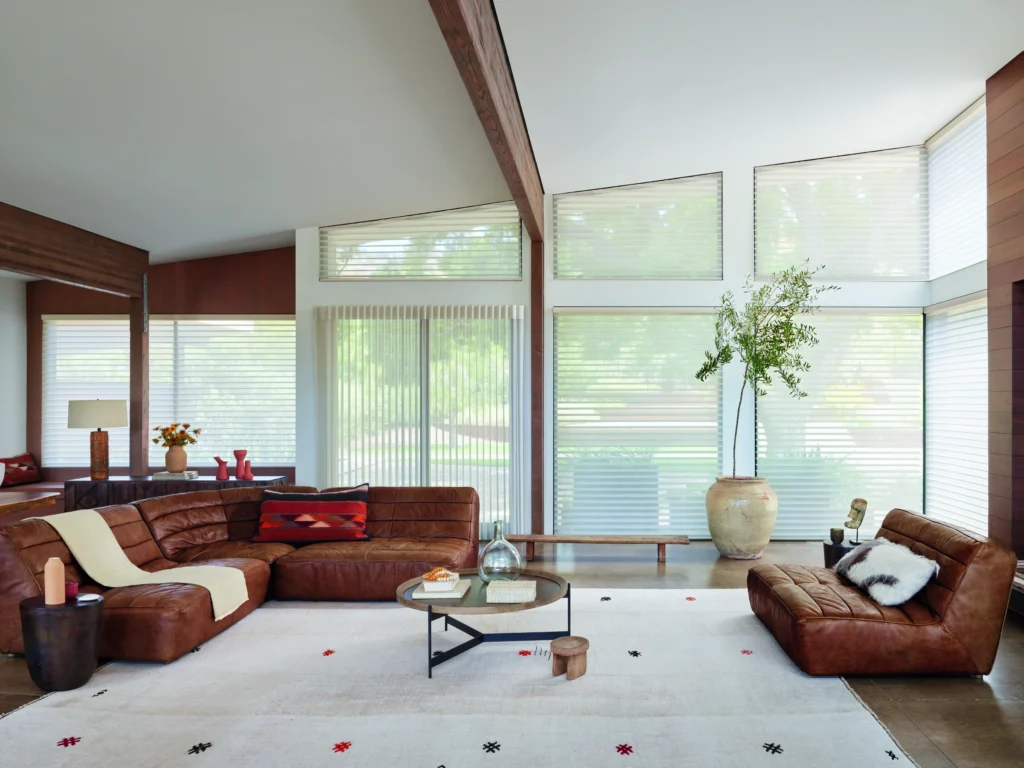
Decorative wall panels improve sound quality and strengthen the visual character of a space. Open interiors allow sound to travel across surfaces. Conversations overlap. Footsteps carry farther. Televisions compete with background noise. Acoustic wall paneling restores balance. It adds warmth, texture, and architectural depth.
At BD Home Studio, wall panel systems function as integrated interior features. Each installation responds to room purpose, each design reflects ceiling height, each layout considers lighting direction. Each finish aligns with surrounding materials. The result is a quieter environment with a clear visual structure.
This blog explains how acoustic wall panels improve daily comfort. It shows where panels perform best. It describes how panel systems support both sound control and interior design harmony.
The Problem with Modern Open-Concept Homes: Poor Acoustics
Open-concept layouts change how people live at home. Kitchens connect to living rooms. Dining areas remain visible from entryways. Home offices share space with family zones. These layouts support connection and flexibility. They also create acoustic challenges.
Sound travels freely without dividing walls. Hard surfaces increase reflection. Wood floors reflect footsteps. Glass windows reflect voices. Painted drywall spreads echo. Stone countertops amplify background noise. Speech clarity decreases as reflections increase.
Daily life often includes:
difficulty hearing conversations clearly
overlapping television and kitchen sounds
echo during video meetings
restlessness during sleep
reduced privacy between connected spaces
Decorative acoustic wall panels introduce texture that interrupts sound reflection. Layered materials absorb vibration. Clarity improves across the room. Comfort increases without changing the architecture of the home.
BD Home Studio integrates panel systems into shared living areas to support quieter conversations and more comfortable listening environments. Open floor plans remain intact. Sound behavior becomes more controlled. Interiors feel calmer and more balanced.
How Acoustic Decorative Wall Panels Work
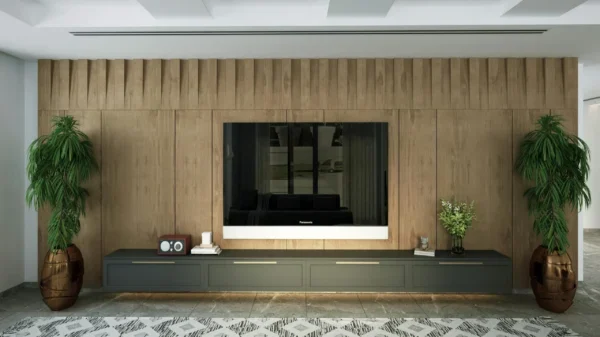
Acoustic paneling absorbs sound energy before it reflects back into the room. Flat painted drywall reflects sound. Textured panel surfaces reduce reverberation. Layered materials soften echo. Speech clarity improves across the space.
Panels install easily behind beds, televisions, desks, and seating areas. Strategic placement improves listening comfort. Strategic placement improves speaking clarity. Panels support the areas people use most often.
Acoustic panels combine technical performance with visual appeal. They support sound control, strengthen interior character. They serve both practical and aesthetic roles in interior planning.
Sound Absorption vs. Soundproofing: Understanding the Difference
Many homeowners expect acoustic panels to block outside noise completely. Acoustic panel systems improve interior sound comfort. They focus on absorption rather than isolation.
Sound absorption improves how sound behaves inside a room. It reduces echo and softens reflections. Voices sound clearer. Listening feels more comfortable. Conversations remain easier to follow.
Soundproofing serves a different purpose. It prevents sound from entering or leaving a space. It requires insulation layers. It requires resilient framing. It requires specialized construction assemblies. These solutions involve structural changes.
Decorative acoustic panels improve listening comfort without altering the structure of the home. They reduce echo from televisions, soften conversation noise, and support clearer digital meetings. Early integration improves results. Panels create quieter environments. Panels support focused work and relaxed conversation. Panels reduce the need for major renovation while strengthening everyday comfort.
The Science of Felt Backing and Wood Slats
Many decorative acoustic wall panels combine vertical wood slats with dense felt backing. This layered construction supports effective sound absorption and improves overall listening comfort inside the room.
Wood slats introduce spacing across the panel surface. The spacing interrupts sound reflection patterns. Sound waves move between the slats instead of bouncing directly off a flat wall. Energy decreases as the sound travels deeper into the panel structure.
The felt backing captures remaining sound vibrations. Material prevents reflections from returning into the room. The substrate converts sound energy into low-level heat. Echo intensity decreases. Speech clarity improves.
Together, these components create a surface that improves acoustic performance while adding texture and depth to the wall. The panels function as both technical elements and architectural features within the space.
BD Home Studio selects panel systems based on acoustic performance goals and compatibility with surrounding finishes. Installations align with cabinetry finishes. Installations coordinate with flooring tones. Installations complement window treatments. Each panel layout supports both comfort and visual continuity throughout the interior.
Best Rooms for Acoustic Wall Paneling
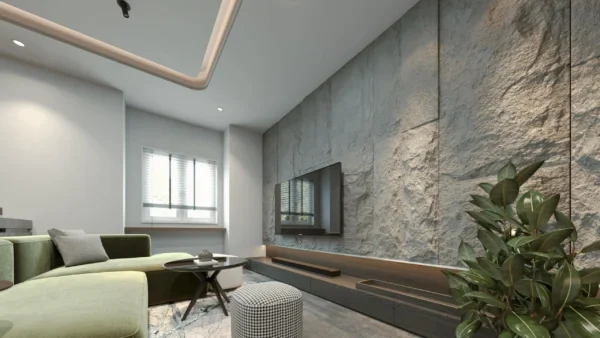
Acoustic wall panels are most effective when installed in areas where conversation, media use, or rest require improved sound balance. Strategic placement improves acoustics without the need to cover every wall surface, which keeps interiors visually clean and intentional.
Panels perform especially well behind televisions, along seating walls, beside desks, and behind headboards. These locations support clearer dialogue, reduce background echo, and improve overall listening comfort. In home offices, panels help control sound during video meetings and phone calls. In living rooms, they soften reflections from media systems and open surfaces. In bedrooms, they create a calmer environment that supports rest.
Targeted placement allows acoustic panels to work efficiently while preserving the openness of the space. This approach improves daily comfort, supports better communication, and strengthens the overall atmosphere of the home without requiring structural changes.
The Home Theater and Media Room: Immersive Audio Experience
Media rooms benefit from acoustic paneling because sound clarity shapes viewing comfort. Hard surfaces reflect audio across the room. Dialogue can feel distant. Soundtracks can lose depth. Echo reduces listening precision.
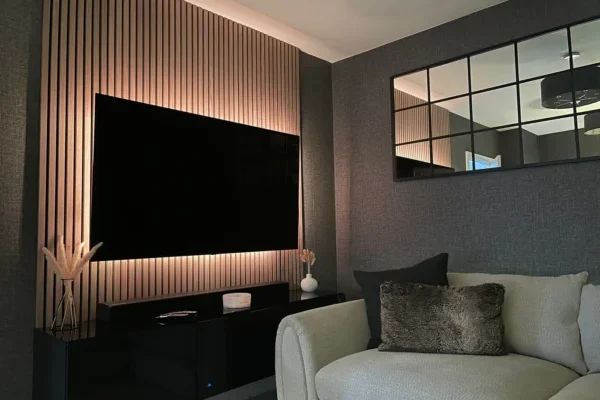
Decorative panel installations behind screens and along side walls improve sound balance across the seating area. Voices become clearer. Background effects remain controlled. Volume levels feel more consistent from seat to seat. Panels also add visual structure to entertainment spaces. Vertical slat designs frame televisions and projection walls with intention. The wall surface feels integrated into the room design rather than purely technical.
The result is a media environment that supports clearer listening, relaxed viewing, and a more refined interior atmosphere.
The Home Office: Reducing Echo for Professional Calls
Remote work has increased the importance of acoustic comfort within home offices. Hard surfaces such as desks, monitors, and painted walls reflect sound. Echo becomes noticeable during virtual meetings. Voices lose clarity. Listening requires more effort over time.
Decorative panel systems placed behind desks or along nearby walls reduce sound reflections that interfere with microphone pickup. Speech becomes clearer. Background noise feels softer. Video calls feel more controlled and professional. Recorded presentations benefit from improved sound quality. Panel installations also improve the visual background during meetings. Textured surfaces create depth behind the workspace. The setting appears organized and intentional without distraction. The background supports a polished appearance on camera.
BD Home Studio incorporates panel accents into workspace layouts that require both acoustic performance and visual refinement. Each installation supports focus during meetings and strengthens the overall presentation of the workspace.
The Primary Bedroom: Creating a Quiet, Restful Sanctuary
Bedrooms benefit from softer acoustic environments that support rest and relaxation. Panel installations behind headboards reduce reflected sound from adjacent walls. The room feels quieter. The atmosphere feels more controlled.
The surface adds visual structure behind the bed. It creates a focal point. It introduces depth. It balances flat drywall and soft upholstery. The space feels warmer and more composed.
Lighting enhances the texture of the panels. Textiles reinforce the softness of the room. Materials work together as one composition. The result is a bedroom that feels calm, layered, and visually unified rather than built from separate elements.
Exploring Design Styles for Acoustic Panels
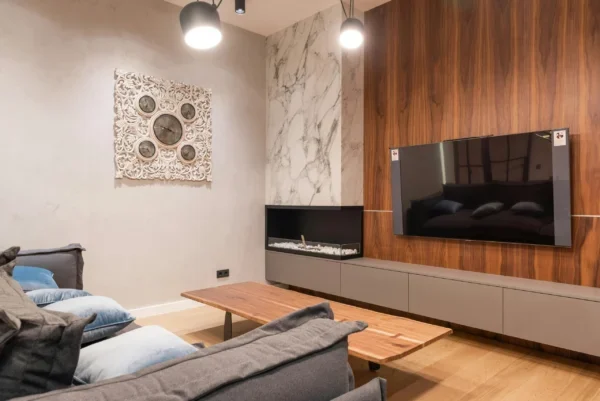
Acoustic panels support a wide range of interior aesthetics. Their flexibility allows designers to shape acoustic performance and visual identity at the same time.
They adapt easily to modern, minimalist interiors with clean slat designs and neutral tones. Acoustic panels complement warm, natural spaces when finished in wood textures and soft fabrics. They also enhance bold, contemporary rooms where contrast and geometry define the design direction.
This versatility allows acoustic panels to function as both performance-driven elements and intentional design features. They improve sound control while reinforcing the overall style of the space, creating interiors that feel cohesive, refined, and thoughtfully composed.
Natural Oak and Walnut for Warmth
Natural wood tones soften modern architecture. Oak panels bring brightness and a light, grounded feel. Walnut panels add depth and contrast that help define larger spaces.
These finishes suit living rooms, bedrooms, and offices. Warm materials support comfort in areas used for daily living and relaxation. Slat orientation also shapes visual perception. Vertical layouts draw the eye upward and enhance ceiling height. Horizontal layouts create a calmer, more relaxed rhythm across the wall.
BD Home Studio aligns wood tones with flooring and cabinetry. This coordination creates continuity across materials and strengthens overall interior cohesion throughout the home.
Painted and Monochromatic Panels for Modernism
Painted panel systems support interiors that prioritize clean lines and subtle contrast. Monochromatic finishes blend into surrounding walls while still improving acoustic performance and reducing echo.
Dark panel finishes create strong focal points behind televisions and headboards. They add depth and contrast while grounding key areas of the room. Light-toned panels maintain brightness and openness while softening reflections in minimalist interiors.
These design approaches improve sound comfort without introducing heavy visual disruption. The panels remain functional while preserving a calm, cohesive aesthetic.
Panel systems also integrate well with concealed lighting. Indirect light highlights surface texture and depth without adding visual clutter, creating a refined balance between atmosphere, function, and design.
Installation Methods and Wall Preparation
Proper installation ensures performance and long-term durability. Wall conditions must be assessed before placement begins. Alignment, surface quality, and mounting compatibility all affect the final result.
Panel systems install using adhesive bonding, mechanical fasteners, or rail-mounted frameworks. The method depends on wall structure, panel weight, and access requirements. Each approach supports different performance needs and installation environments.
Precise alignment is essential for consistent spacing between slats. Small variations affect visual rhythm and overall balance. Accuracy maintains clean lines and a cohesive appearance across the entire wall surface.
BD Home Studio integrates installation planning early in the design process. Panels align with lighting fixtures, electrical outlets, and surrounding millwork. Coordination ensures a seamless integration within the full interior composition.
Professional installation also improves long-term stability. Panels maintain structure in environments with temperature changes and humidity variation. The system remains secure, functional, and visually consistent over time.
Customizing Your Acoustic Panels to Match Your Interior Vision
Decorative acoustic panels offer flexibility that allows them to respond directly to each home’s design direction. They move beyond standard wall coverings and become part of a unified interior composition.
Customization options include wood tone selection, panel spacing and orientation, integrated lighting details, feature wall sizing, full-height installations, and partial accent configurations. Each choice influences both acoustic performance and visual character.
BD Home Studio treats panel planning as part of a broader material palette strategy. Panels are coordinated with flooring finishes, upholstery textures, window treatments, and cabinetry tones to ensure a cohesive design language throughout the space.
This approach allows acoustic improvements to blend naturally into the overall interior rather than appear as separate or added elements. The result is a home that feels visually balanced and acoustically comfortable at the same time.
When thoughtfully integrated, decorative panel systems strengthen both everyday comfort and architectural identity, creating interiors that feel intentional, refined, and complete.
Frequently Asked Questions (FAQs)
1. Do decorative wall panels really improve room acoustics?
Decorative wall panels improve acoustics by reducing echo and limiting sound reflections from hard surfaces. Their textured structure interrupts how sound waves travel across walls and ceilings. Panels with felt backing absorb sound energy instead of allowing it to bounce back into the room. This creates clearer conversations and more balanced listening conditions. While they do not eliminate outside noise completely, they noticeably improve comfort within the space. Strategic placement behind televisions, desks, or beds increases effectiveness. Many homeowners notice improved clarity immediately after installation.
2. Are acoustic wall panels suitable for open-concept living spaces?
Open-concept homes benefit significantly from acoustic panel installations because sound travels freely across connected areas. Panels reduce the buildup of overlapping noise between kitchens, dining rooms, and living spaces. Instead of closing off rooms with walls, panel systems allow homeowners to maintain openness while improving comfort. They can be installed as feature walls that enhance architecture rather than interrupt it. Designers often place them near conversation zones or entertainment areas for best results. Their visual presence also adds structure to large wall surfaces. This combination supports both function and style.
3. Can decorative panels be installed in bedrooms without overwhelming the space?
Decorative panels can enhance bedroom environments without making them feel crowded. When installed behind headboards, they create a focal wall that adds texture and warmth. Their acoustic properties reduce reflected noise, supporting a calmer sleeping environment. Panel finishes can be selected to match existing furniture tones for visual continuity. Vertical slat layouts can even make ceilings appear taller. Designers often combine panel installations with soft lighting to maintain a relaxed atmosphere. With thoughtful placement, panels contribute comfort without dominating the room.
4. How do I choose the right finish for acoustic wall panels?
Selecting the right finish depends on the surrounding materials within the room. Wood tones such as oak and walnut coordinate well with natural flooring and cabinetry. Painted panels work effectively in modern interiors that emphasize subtle contrast. Designers also consider how lighting conditions affect panel appearance throughout the day. Matching panel tones with nearby furniture helps maintain visual consistency. Sampling finishes within the space before installation ensures accurate coordination. Professional guidance often simplifies this selection process and improves final results.
5. Does BD Home Studio customize acoustic panel installations?
BD Home Studio customizes panel installations to match each home’s layout, lighting conditions, and material palette. Designers evaluate where sound reflections occur before recommending placement strategies. Panel orientation and finish selection are coordinated with surrounding architectural elements. Installation methods are chosen based on wall structure and long-term durability expectations. Feature walls can be sized to highlight televisions, headboards, or workspace zones. Integrated lighting options may also be included when appropriate. This tailored approach ensures panels improve both acoustics and interior cohesion.
Create a Quieter, More Refined Interior with Decorative Paneling
Decorative wall panels support interiors that feel balanced, intentional, and comfortable throughout the day. They reduce echo, improve listening clarity, and introduce texture that strengthens architectural presence. BD Home Studio designs panel installations that respond to how each space is used. Whether enhancing a media room, refining a workspace, or adding structure to a bedroom feature wall, panel systems are tailored to support both sound performance and visual harmony.
If your home includes open layouts, tall ceilings, or reflective surfaces, acoustic paneling may provide the refinement needed to restore comfort. A consultation with BD Home Studio can help determine how panel systems can be integrated into your interior plan with precision and purpose.
 info@bdhomestudio.com
 9560 Blenheim Blvd, Fairfax, VA 22031
  +1 571 470 9440