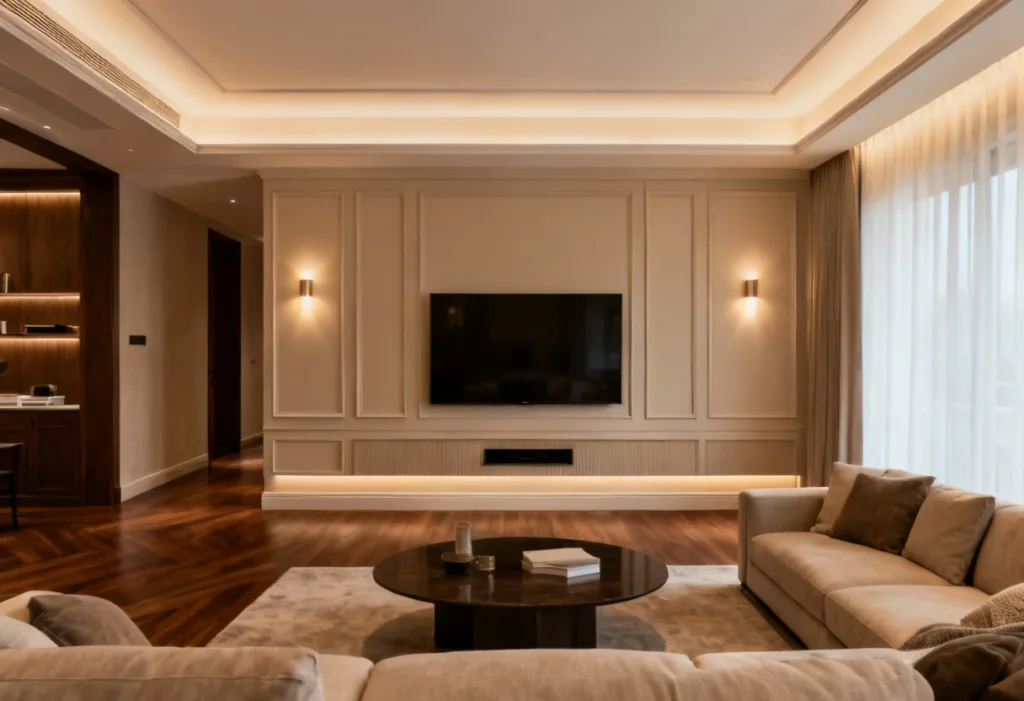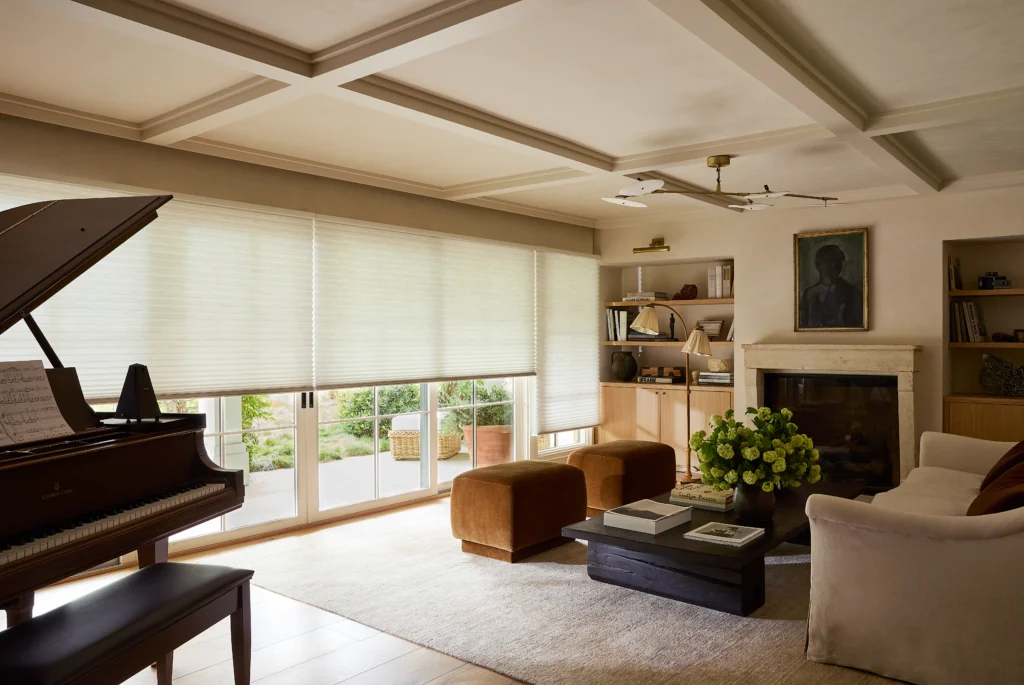
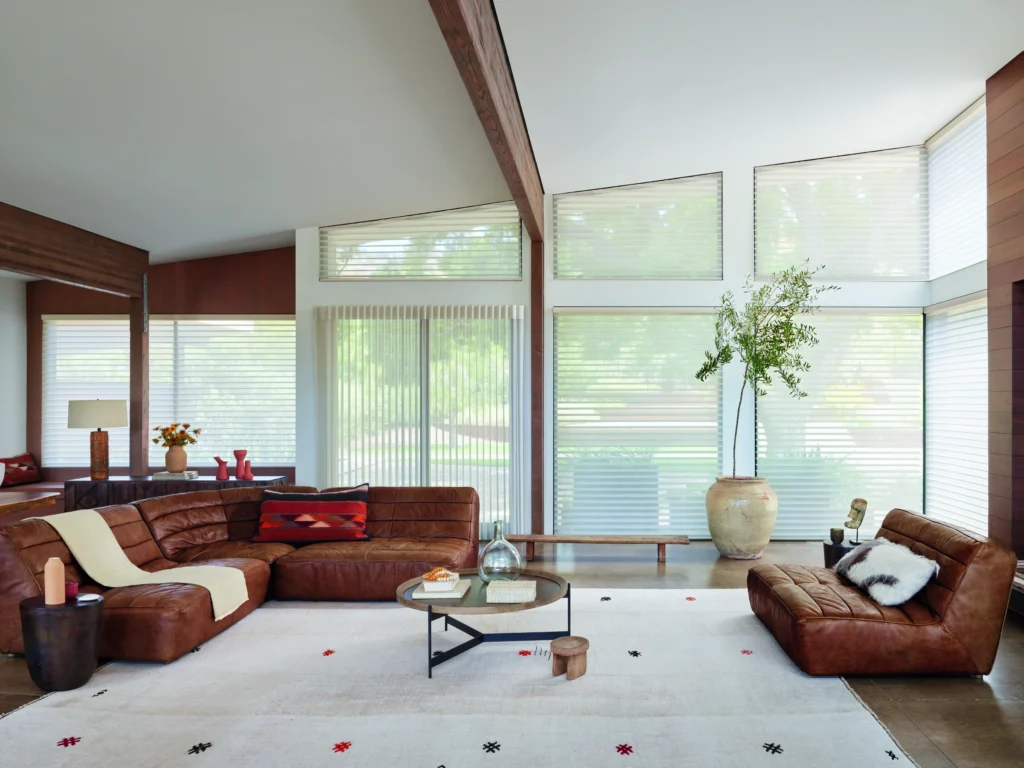
When designers want to make their rooms look larger and refined, the best they can use are wallpaper and panels. While you cannot change square footage without a renovation, you can dramatically improve visual perception through thoughtful design choices. The smallest room can feel open and inviting with the right combination of wall treatments, textures, patterns, and window solutions.
Many owners think that the small rooms need little decorating. They believe that if they put wallpaper, wall paneling or decoration on their walls, the room will become cramped. But in reality it is often the case that the opposite is true. Carefully selected wallpaper and panel treatments introduce depth, visual richness, and architectural interest. It helps rooms feel more spacious, balanced, and sophisticated.
The concept of small space design at BD Home Studio is to make things beautiful and functional. This blog delves in transforming spaces into full-fledged environments using wallpapers and panels.
Illusion Techniques with Patterns
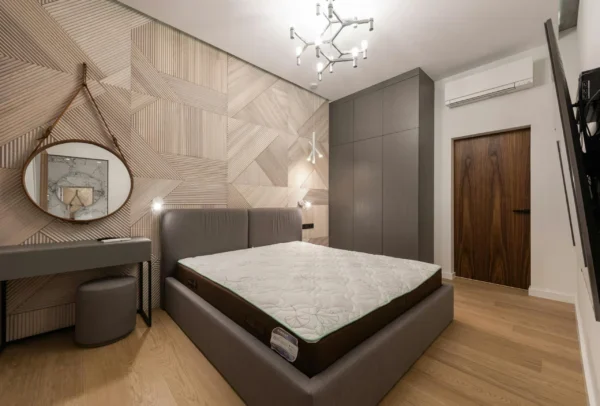
Patterns can have a powerful impact on the perception of space and its experience. Wallpaper and panels can be used creatively to stretch walls, to lift ceilings, to highlight focus areas and to add depth when placed at strategic locations. These visual effects can help to change the perception of proportions, creating a larger sense of space in compact rooms and a sense of balance in spacious rooms.
The key is to choose patterns that are suited to the size of the room, rather than trying to out-compete it. Scale, direction, texture and repetition all play an important part in how a pattern will impact an area. Carefully selected designs can enrich the style of architecture, enhance visual flow and accentuate the interior of the room and help maintain the atmosphere of the room.
Large Patterns Often Work Better Than Small Ones
There is a common fallacy regarding interior design that small rooms are for small patterns. But in practice, large patterns can sometimes make a room look larger, but doesn’t appear detailed. Large scale designs help the eye glide across a room more easily. Conversely, walls can feel crowded when small repetitive patterns are used. They can become more fragmented than providing a more open feel.
Large-scale wallpaper designs:
- create cleaner visual flow
- reduce fragmentation
- establish focal points
- add architectural presence
It’s often employed in luxury powder rooms, entryways and small dining areas.
Creating Depth Through Layered Designs
When you layer your wallpaper and panels, they will work even better. Materials are used to create depth, texture and architectural interest that cannot be created with any single material. This technique adds shadows, contrast and dimension to create a sense of space. It makes walls appear to protrude from the frame. The added depth adds to the flat surfaces so as a whole it creates a more dynamic and refined interior. Consequently, the space appears more spacious, lively and interesting, and still retains the same physical dimensions.
Using Repeating Patterns to Direct the Eye
Patterns naturally guide the eye and shape how people perceive a room. Repeating patterns encourage the eye to move smoothly across walls and surfaces, creating a sense of continuity and visual flow. This movement reduces visual interruptions and helps the space feel larger and more open. As the eye travels throughout the room, it creates the impression of greater depth and expanded space. This non-stop action makes rooms look more open, unified and balanced.
Designers often choose vertical botanicals, cascading organic patterns, and subtle geometric repeats. They create a sense of continuity and sophistication throughout a space. These patterns guide the eye naturally across surfaces, enhance visual flow, and add depth without overwhelming the design. Their balanced and cohesive appearance helps rooms feel more refined, open, and visually connected. Wallpaper and panels are great together, as paneling provides structure and architectural definition and wallpaper provides movement and texture. This blend will give a room depth and dimension, and make it look bigger and more elegant.
Vertical vs Horizontal Designs
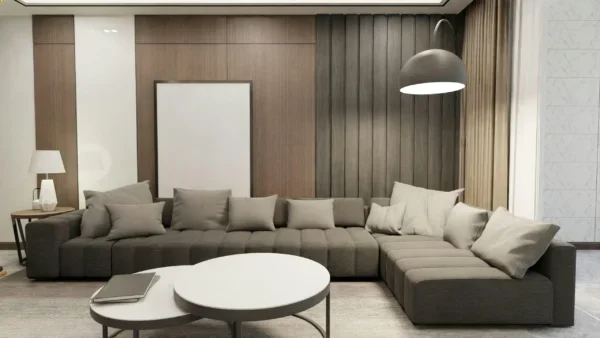
Wallpaper and panels have a significant effect on spatial perception and this effect is dependent on their direction. Patterns, textures, and panel orientations have a tendency to change the size of a space. It introduce a sense of height, width, and depth to the room. Small directional features can alter the flow of the eye in a space.
Both applications produce a different effect; you have to decide which to use to achieve your desired results. Depending on the size and shape of the room, the right direction can highlight and improve the architectural elements. They create balance and make a room feel larger.
Vertical Designs Create Height
Vertical design elements are great for rooms with low ceilings. Patterns and wall panels that are vertical will often draw the eye up as well, giving the appearance of increased height, and make the ceiling seem even higher than it really is. This optical illusion can help larger rooms appear more spacious, sophisticated and balanced.
Examples of these are vertical slatted wall panels, elongated botanical wallpaper, narrow striped wallcoverings and fluted wood paneling. The emphasis here is on the upward movement, as well as in providing texture and architectural interest in the space. They can be incorporated well and do not overpower a room.
At BD Home Studio, designers frequently incorporate vertical panel systems into smaller spaces to create a greater sense of height, openness, and balance without sacrificing style. These architectural elements draw the eye upward, enhance visual proportions, and add refined character while maintaining a clean and cohesive design.
Horizontal Elements Expand Narrow Rooms
Vertical treatments focus on height, while horizontal treatments account for wall width and make them look larger. Horizontal lines can help to create a sense of length and enhance the sense of proportion in a room by introducing a lateral dimension.
This can be effective in hallways, small bedrooms and small living rooms where extra width is needed. Horizontal panel molding, linear panels and subtle horizontal movement designs in wallpaper provide a wider visual area without changing the room’s actual size.
Used effectively, horizontal treatments can help open up the space and counteract the sense of enclosure. The outcome is a room which appears much more spacious, more comfortable and more well balanced.
Combining Both Directions for Balance
There are rooms in which neither vertical nor horizontal treatment is overwhelming so a combination is the best approach.
Designers combine vertical and horizontal elements to create a more balanced and well-rounded composition while fine-tuning how a space is perceived. By carefully controlling these visual cues, they can enhance proportions, improve flow, and create a stronger sense of harmony throughout the room.
For example, designers pair vertical wall panels with horizontal furniture lines to balance height and width. They may install horizontal wallpaper above vertical molding to introduce contrast and visual interest. To create better proportion, they often anchor high ceilings with wide area rugs and pair tall drapery with lower-profile furniture. These intentional design choices help create spaces that feel balanced, cohesive, and visually comfortable.
This multi-layered design not only helps prevent a room from becoming too tall, narrow, wide or compressed in one direction, but it also adds more visual interest to the space. The use of contrasting visual elements helps to create a sense of proportion and harmony in the space. Wallpaper and panels can be used to create the flexibility to manipulate these visual relationships with a degree of precision, and can be used to add value to the room by improving its function and appearance.
Reflective and Light-Enhancing Materials
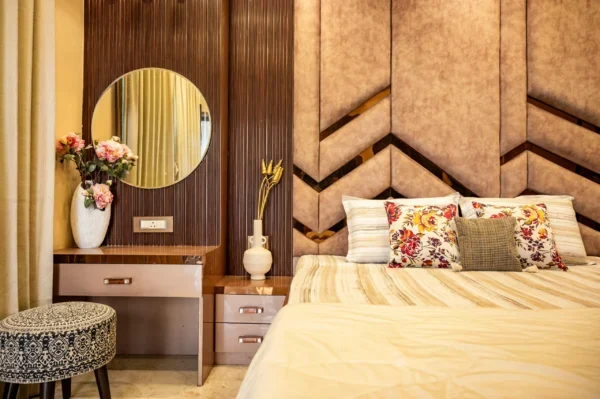
Light is one of the most effective design tools when it comes to small spaces. It can have a significant impact on the size, openness and comfort of a space, even if the room size is identical. Luxury reflective or soft diffused materials can eliminate shadow, illuminate corners and enhance the balance between light and dark areas.
Wallpaper and wall panels are very important, as they are well chosen, in terms of this effect. Subtle sheens, light-reflective finishes, or patterned textures can not only help to increase brightness but also create a sense of depth. They, along with careful lighting design, can enhance interiors to appear more open, airy, and spacious.
Metallic Wallpaper Creates Subtle Reflection
Metallic wallcoverings will reflect light around the room in a subtle and refined manner. It diffracts the light gently around surfaces, adding depth without cloying the room, in contrast to mirrors which offer a direct reflection. This subtle reflection adds light to the interior spaces and keeps the space well balanced and elegant.
These are usually brushed gold accents, pearlized finishes, silver tones or champagne metallics. The finishes add some class and interest to a space, and add some dimension to otherwise flat walls. If applied carefully, metallic wall coverings can add more dynamism and less enclosure to the walls, resulting in a more spacious and high feeling interior.
Light-Colored Wall Panels Increase Brightness
The use of color is important in maximizing perceived space. Light colored wallpapers and wall panels bounce back more natural and artificial light, making rooms look brighter, open and balanced. The lighter hues help to break down some of the weight in the room and give it a more balanced flow.
Common finishes include soft ivory, warm white, pale greige and light oak finishes. These colors will create a non-cluttered, open space, which is perfect for experiencing openness without losing vibrancy. Combined with the natural textures, they bring warmth and softness, creating a soothing and airy interior feel.
Mirrors and Wall Treatments
Wallpaper and panels can also become even more effective in adding brightness and depth to a room due to the reflective surfaces. Place mirrors throughout the room to reflect light, reduce shadows and open up a space.
The use of textured wallpaper, decorative paneling, mirrors and layered lighting create a more sophisticated and intentional small space design. Whether it’s texture for character, panels for structure, mirrors for space or lighting for clarity, each is used differently to ensure that interiors are bright and balanced and visually refined.
Smart Window Treatments for Small Rooms
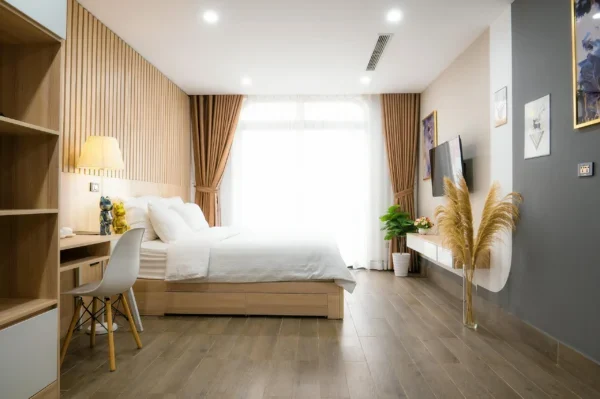
Window coverings can affect the level of privacy and light control in a room, but also affect how spacious or open a room appears. With the proper design, windows can seem taller and wider and add to the sense of space. A simple designer trick is to install curtain rods above the window frame, closer to the ceiling, for an increased sense of height and better vertical balance. This change can help create this sense of scale and architectural presence in any studio, even in small spaces.
The type of fabric is also a crucial component in keeping the space open. Linen drapes, sheer panels, light filtering shades and woven natural fabrics can help ensure privacy while still letting in natural light and can help keep a room feeling open and spacious. Additionally, motorized shading systems can help create a more minimalistic and unobtrusive appearance, as they eliminate the need for cords and visible hardware, reducing visual clutter. Custom window treatments, developed at BD Home Studio, will be a harmonious part of the interior along with wallpaper and wall panels, and will create a balanced and functional interior while adding a refined look.
Layout Tips That Maximize Space
The most stunning wallpaper and wall panels will not be enough to make up for an ineffective layout. The layout of furniture and functional spaces is one of the most important considerations for small spaces. Great finishes can be undermined by poor placement, which can limit movement, block light and create a sense of imbalance.
Therefore, the placement of furniture and visual organization play a very important role in a successful design. When planned carefully, they can facilitate a flow, make things easier to use and make it possible for decorative features like wallpaper, panels to complement and enhance the space without overshadowing it.
Allow Walls to Breathe
When decorating with items, many homeowners unconsciously attempt to cover as much wall space as possible when using decorative elements. But leaving a part of the walls intentionally visible enables wallpaper and panels to stand out more and makes the space visually not overcrowded.
Sometimes simplicity and restraint is more powerful than over decoration. The design provides some breathing space, creating a balance, clarity and focus allowing for the key features to stand out and have greater impact while sustaining an overall sense of openness and sophistication.
Use Multifunctional Furniture
Furniture with multiple uses is ideal for compact spaces, where you can fit more into a smaller room. Each piece in a small space design should serve a purpose of storage and usability, and should have a good visual profile. A multi-functional piece of furniture can be used in several ways so that the homeowners can make the most out of their square footage without compromising on comfort or style.
They range from storage ottomans that serve as seating and storage spaces, nesting tables that can be folded open or closed, built-in seating with storage below, through to media cabinets, which feature hidden space for electronics and accessories. These solutions minimize the visible clutter and simplify the organization, enhancing the overall balance and openness of the environment. The cleaner, the more intentional, the bigger and more inviting the space will look.
Establish Clear Visual Pathways
Furniture should facilitate easy flow and not impede. One of the key points of designing a space for small spaces is the placement of those spaces in order to keep it functional and comfortable for use.
Avoid obstructing any windows, main walkways and focal walls as this can create a sense of enclosed space and lack of visual flow. These sightlines will not be obstructed so natural light flows freely and the eye can glide from one end of the room to the other, increasing the sense of space.
The room becomes a lot more effective thanks to wallpaper and wall panels if it’s visually organized. Balanced layout choices and clear pathways ensure that decorative surfaces don’t dominate the design, but instead are used as a deliberate addition.
Create a Focal Point
Each room has a prominent focal point that helps unify the space. A definite focal point creates hierarchy that provides direction and purpose for the space, and helps develop the visual structure of the space.
It can be a wallpapered accent wall, decorative wall panel installation, a statement window treatment or custom artwork. These elements are deliberately included to attract attention and to help to shape the character of the room.
Through the single focus, the design keeps the eye from being drawn to other competing elements. This results in a more unified, harmonious, and visually pleasing interior where wallpaper and wall panels can complement and enhance the overall aesthetic without overpowering.
Why Wallpaper and Panels Work So Well in Small Spaces
Wallpaper and panels show that there’s no limit on extraordinary design. With strategic lighting, pattern, texture and proportion, small rooms can look spacious, comfortable and very personal. The best interiors are those that combine architectural detail with visual simplicity. With the right wall treatments, furnishings, and natural light, small spaces can be one of the most memorable rooms in the house.
In any room, from a powder room to a bedroom, to a living room, to an office, wallpaper and panels can make a significant difference to the functionality and beauty of the space.
Ready to Make Your Small Space Feel Larger and More Luxurious?
Wallpaper and panels can entirely alter the appearance and ambiance of a room. Whether you’re looking to add visual interest or improve natural light and architectural features, these design tips are long-lasting and require little to no renovation. BD Home Studio is a specialist in the field of wall treatments, window treatments and interior solutions customised for your home. Call now and see how effective design can maximize each square foot.
 info@bdhomestudio.com
 9560 Blenheim Blvd, Fairfax, VA 22031
  +1 571 470 9440
Frequently Asked Questions (FAQs)
1. Do wallpaper and panels make small rooms look smaller?
No, choosing an appropriate wallpaper and panels can actually create the illusion of a bigger room. Rooms can be visually enlarged by using large patterns, vertical designs and materials that reflect light. Decorative wall panels can help create depth and architectural interest without the clutter. The main thing to take into consideration is picking designs that match the dimensions of the room. Large patterns often are more effective than small repeating patterns. The treatments are planned by the professional to complement the room without overpowering it. If they are used in an intelligent way, they give the illusion of a larger space.
2. What wallpaper patterns work best in small spaces?
Large scale patterns, subtle geometrics, verticals and organic designs are often most effective. These patterns lead the eye to move around the room smoothly. Sometimes small busy prints can be a problem when it comes to visual congestion. Patterns that move suggest motion, and patterns that are vertical accentuate the vertical space. Lighter wallpapers also help to create an open environment. The size of the room and the location of the light source determine the type of pattern to be used. A balanced design is one that provides depth and sophistication.
3. Are wall panels suitable for small rooms?
Yes, wall panels work well in small rooms in the right size. Use of vertical slatted panels can give ceilings the illusion of height, and horizontal can help to widen narrow spaces. Panels will add texture and architectural interest without extra pieces of furniture or decor. Light tones will keep light levels high. Custom panel systems can also help to establish focal points in the room, providing visual structure. To get the most out of them, they must be used in the proper proportions. Paneling is widely used in compact interior spaces of many luxurious interior designs.
4. What window treatments work best in small rooms?
For smaller rooms consider light filtering shades, linen shades or linen curtains, woven shades or sheer panels. These treatments allow for optimum daylighting with privacy. Drapery hung closer to the ceiling makes windows appear taller. Motorized shades minimize visual clutter and convenience. Layered treatments can also add softness without adding to the room. This will depend on the lighting requirements and the overall style of the design. Wallpaper and panels are used to coordinate to give a unified look.
5. How does BD Home Studio approach small-space design?
BD Home Studio takes a different approach to small space design–proportion, texture, functionality. Designers assess the effect that wallpaper and panels will have on the lighting, furnishings, and architectural elements. Custom window treatments can increase natural light, while adding to the visual height. Decorative wall treatments are chosen so as not to overcrowd the scene. Arrangements and layouts of furniture are made to maximise flow and efficiency. All of the design elements are used to create a balanced and unified space. The outcome is a wider, more comfortable and a more classically appealing area.