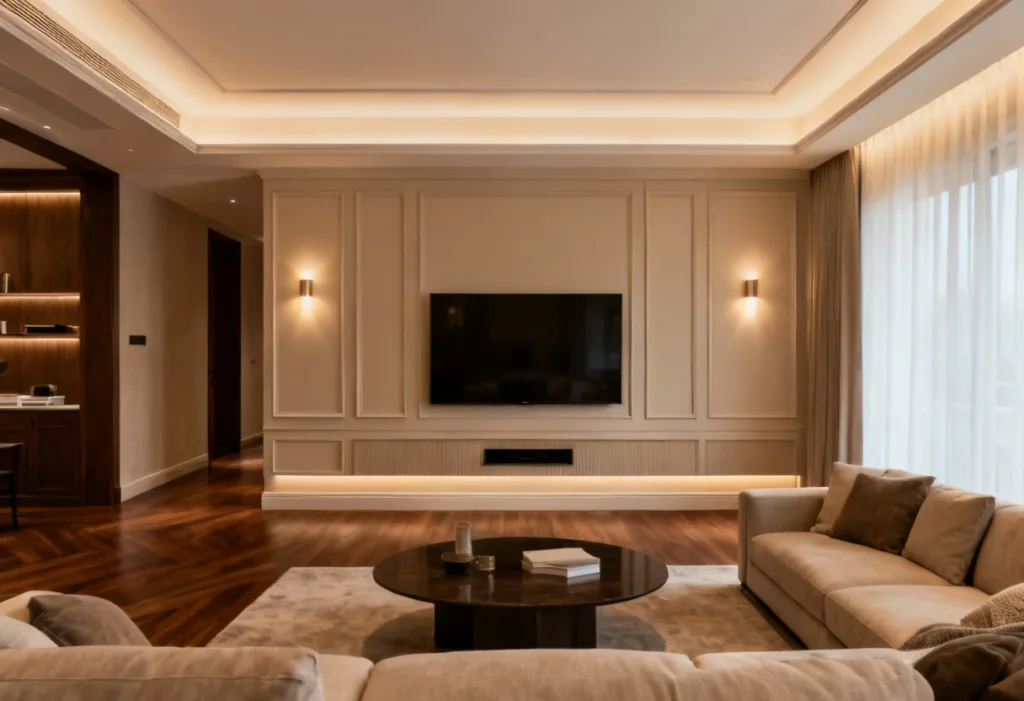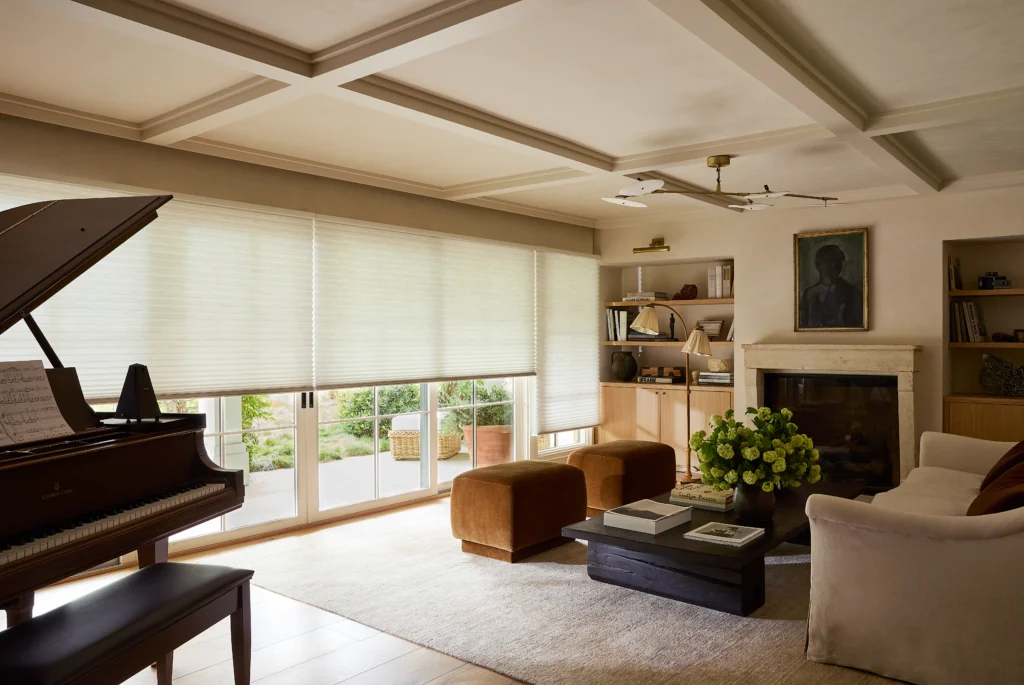
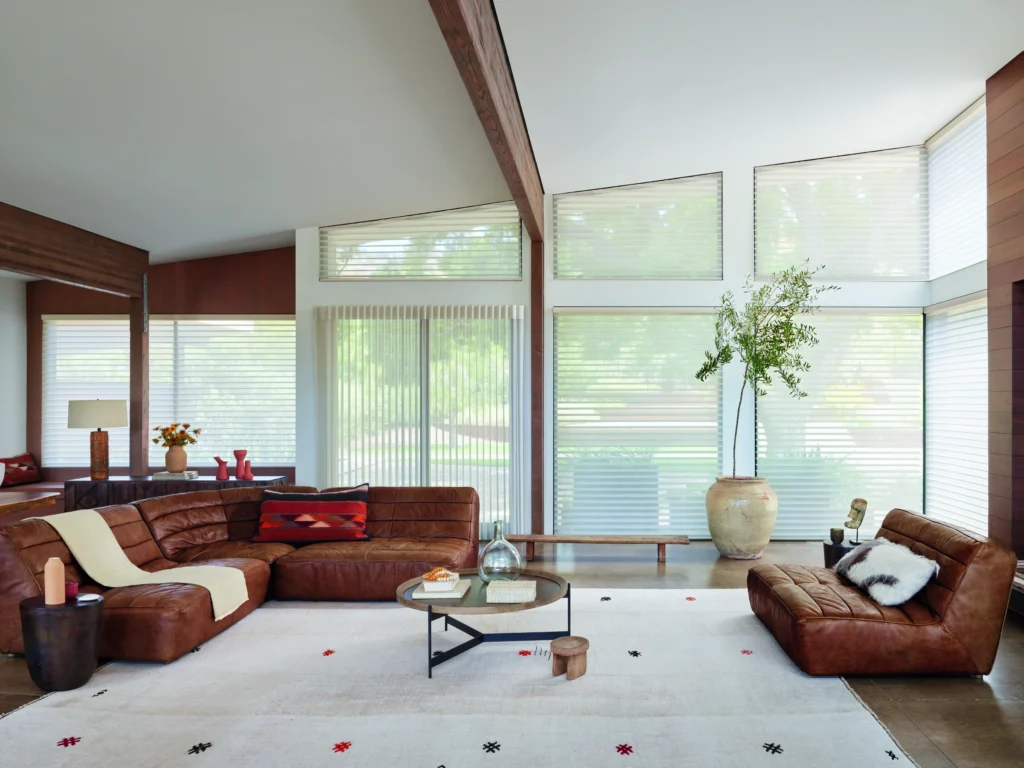
The texture in interior design has a bearing on the way a room feels as much as color, lighting or furniture placement. It adds visual depth, warmth and balance into a room. Texture also helps to break up harsh lines in architecture and makes interiors warm and inviting. Texture in interior design elevates an ordinary room to a room with personality and dimension through the use of decorative wall panels, woven shades, custom rugs, natural wood, stone finishes and rich fabrics.
Each material offers a unique perception and feel. Linen creates softness. Warmth and grounding from wood. The metal adds to the contrast and structure. Light and openness through glass. These elements, when combined, create a sense of depth, refinement, and warmth, but do not overload the space. Texture is important in even the simplest of designs to add interest and movement.
Texture is not just a finishing touch at BD Home Studio, it’s a key aspect of the design. Contrasts, harmonies and continuity are carefully achieved throughout the home with materials. Takes an interest in balance and intentional design choices. Not over-decorating is the goal. The objective is to create a unified, depth, comfort and enduring place.
This blog delves into the ways texture contributes to the visual impact of interior design, the harmonies between soft and hard textures, and the luxury layering of materials.
The Purpose of Walls in Visual Impact
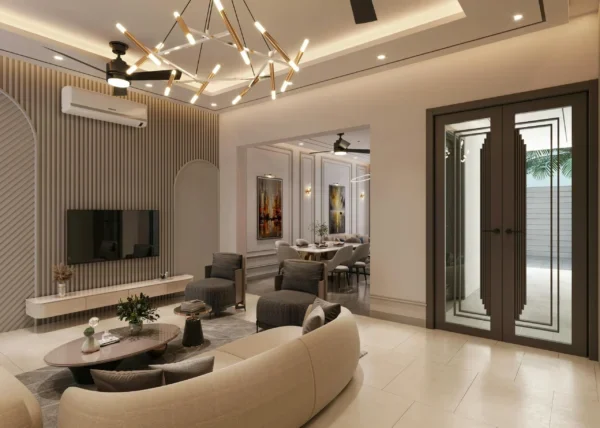
In most interior spaces walls are the predominant visual surface. They are large contributors to texture in interior design and help to create the ambience of a room. When painting flat walls, it is hard to get them to appear interesting or complete without the use of dimensional materials and layered finishes.
Stylish wall treatments add movement, depth and architectural interest. They can be textured panels, limewashed finishes, wood slats, stone accents or wallpaper that are used to achieve some visual variation, but not overpower the room. They can help to balance out an interior space and add a sense of refinement and intention.
Another factor of wall texture is how light reflects off a wall. Smooth, shiny finishes reflect light and lend a clean, modern look. A matte surface absorbs the light and gives the surface a softness. Warmth and organic detail are brought by using natural materials. These finishes, when used judiciously, bring about interior spaces that are layered, comfortable, and complete.
Decorative Wall Panels Add Depth to Architecture
Decorative wall panels add structure, dimension and depth to standard painted drywall. Inside, vertical slats and molding details, fluted surfaces and textured finishes provide rhythm and action all the way around. These features make walls more purposeful than being empty and gives architectural interest without being over embellished.
Wall decorations are ideal for bedrooms, home offices, dining spaces and living rooms. Textured wall panels create a focal point and warmth in open areas in living spaces. They add softness and elegance in the bedrooms behind the bed or accent walls. Dining spaces get some extra depth and class, home offices look more finished and polished with some architectural texture.
Decorative wall systems at BD Home Studio are intended to blend in with the furniture, lighting, flooring and other materials. Each panel style and finish reflects a unified look throughout the home and provides balance, character and elegant visual texture.
Wrapping a Large Wall Surface with a Textured Wallpaper Makes It Softer
In interior design, wallpaper is a softer, more subtly textured alternative to wallpaper. It provides interest, depth and movement without being overpowering or unbalanced. The wallpaper is grasscloth, the finishes are inspired by linen, the embossed details are elegant, and the subtle patterns add texture. Elevate the dynamism and richness of a wall, particularly in neutral color schemes.
Textured wallpaper is great for powder rooms, bedrooms, entryways, and dining rooms. Wallpaper has a dramatic effect in a smaller space such as a powder room. Textured finishes add warmth and softness to bedrooms. Layered wall treatments create character and visual depth in entryways, and more intimate and sophisticated dining areas.
The interaction between textured wallpaper and natural and man-made lighting is one of the best features about the design. The woven finishes and raised patterns provide a softening of light and shade during the day. This little change can make a room more interesting and make neutral rooms from being dull or boring.
The Choice of Matte or Reflective Finishes
In interior design, texture is an important aspect of finishing. The various finishes can affect the way light permeates a room and the way materials have their appearance. The dull surfaces absorb light and add calmness, warmth and softness to the environment. Reflective finishes reflect light around the room, and provide contrast, brightness and energy. A harmonious mix of these finishes will not make interiors look dull or flat.
Layering finishes also helps to add depth without over decorating. A combination of matte wall panels and satin drapes provide a chic blend of softness and subtle sheen. The textured wallpaper and metallic accents add dimension and balance. Soft materials over polished stone surfaces provide warmth, yet still offer a stylish look.
Combination of materials and finishes adds to sophistication and intent in interior spaces. Simple color palettes are also elevated with the use of different textures and surface finishes throughout the space.
The Difference Between Soft and Hard Textures
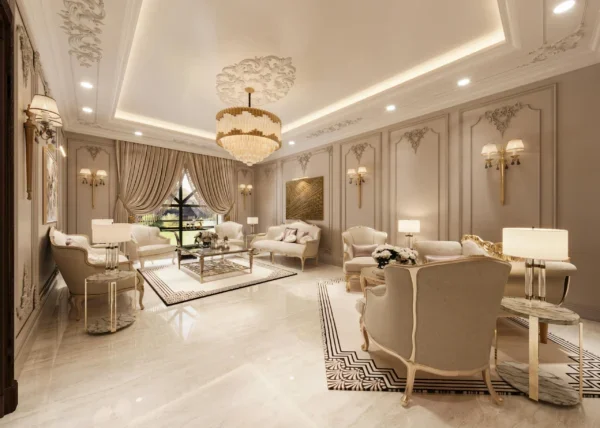
There’s a balance within interior design for the texture of soft and hard materials. Soft textures bring comfort, warmth and relaxation, whereas hard textures bring structure, contrast and definition. These are all aspects that contribute to the appearance and atmosphere of a room.
Fabrics like linen, velvet, boucle, cotton and woven fabrics are soft. These materials help to soften the look of a room and to make the room interior more welcoming. Hard textures are wood, stone, metal, glass, concrete. These surfaces add stability, form and clarity.
Interiors tend to lack interest, warmth or flexibility if there is no variation in texture. Alone, smooth hard surfaces can make a room feel displeasing and an over abundance of soft surfaces can create a feeling of too much body and too little order. The balance and depth, in addition to a more refined atmosphere, comes from a thoughtful mix of materials.
The Softness of the Textures Adds Warmth and Comfort
The softness lends a more inviting, comfortable and livable feel to interiors. Fabrics, rugs, upholstery and drapery can soften sharp architecture lines and provide warmth and comfort to a room. These materials also help to minimize harsh light reflections, making the rooms more comfortable and harmonious.
Common soft materials include wool rugs, linen drapes, boucle upholstery and velvet accents. Every material has its own unique texture. Wool is durable and retains warmth on the feet. Linen makes window treatments airy and natural. The texture and looped surface of Boucle adds depth to the piece. The finish of velvet is smooth and light capturing that lends richness and a certain feeling of luxury.
Soft textures also enhance the acoustics of a room, in addition to their aesthetic appeal. They can absorb sound, eliminate echoes and make for a quieter and more comfortable space. The visual and physical softness is an important component in defining interiors that are grounded, welcoming, and complete.
Cover and Fabric Layers
One of the best methods to add texture to interior decoration is by layering fabrics. It enables different materials to be used together, to create subtle contrast, but still a unified, planned, and meaningful impression. Textiles are layered throughout the room, not just a single piece or finish.
For instance, linen curtains with velvet pillows provide a harmonious blend of light and softness with richness and fullness. The tactile changes and visual grounding that are achieved with boucle seating and woven rugs are brought together.Boucle seating and woven rugs are joined together to create a tactile variation and visual grounding. Soft sheer curtains will layer under heavier curtains for dimension and to control light in a more refined manner.
The multiple layers to the interior produce interiors that are curated and not over-stylish. While there is a distinct character within each fabric, there is a harmonious, balanced, and complete composition overall.
Rugs as a Foundation Texture
Custom rugs not only add softness underfoot, but they also help anchor furniture. The floor is another place where texture can start in interior design as rugs set the tone for the floor. They help to delineate areas, layout furnishings and add warmth for balancing other harder surfaces in the architecture.
There are different types of weaves, such as natural wool, silk blends and flatweaves, that each produce different effects. Wool rugs offer durability as well as a grounded, soft surface. Silk blends add a hint of shine and sophistication, reflecting light in various ways at different times of the day. Flatweaves have a more subdued weave, making them ideal for simple or layered designs.
Rugs are chosen at BD Home Studio that will complement a specific area and not clash with it. Every piece is carefully selected to complement the overall design, and helps to balance the flooring, furniture, and other elements throughout the space.
Hard Textures Add Structure and Contrast
Hard materials are the cornerstone of balance with soft materials in interior design. There is an addition of structure, definition, and architectural clarity from stone, wood, metal and glass. The materials also provide a visual foundation for the space and help to reinforce its shape and organization.
Stone surfaces contribute their natural strength and permanence with their grain and variation. Wood provides warmth and organic quality and retains structure. Metal is a source of precision and contrast with clean lines and reflective detail. Glass adds openness, lightness and separation of spaces.
These more rigid materials stop interior spaces from being overly soft, fuzzy and undefined. They, when paired with textiles and layered fabrics, form a more comprehensive ensemble, where strength and softness are balanced, and interiors feel grounded and refined.
Wood Panels and Millwork
Wood adds organic form and texture to the house and strengthens its structure. It adds a natural sense of rhythm with its slatted wall panels, cabinetry, ceiling details and trim work. These applications are used to provide visual movement in a space, but still work with the architectural structure of the space.
Natural wood grain provides warmth, depth and character without over decorating. The grain pattern of each piece is different, making even the simplest wood finishes look lively and interesting. Lighter hues evoke an airy and serene ambiance, while darker shades lend richness and contrast.
Wood can be used effectively to complement other elements of the interior design. It makes stone soft, works with metal and washes lighter fabrics. The overall interaction enhances the composition and creates a sense of coherence, naturalness and structure in the interior.
Metal and Stone Accents
Interior spaces may be enhanced with the addition of metal or stone surfaces for contrast, clarity, and refinement. The brushed brass finishes and the textured stone add a touch of variety to the matte black hardware, creating depth and interest. The use of materials to develop these elements clearly establishes structure and also add an architectural feel to the space.
The natural variations of the grain, veining and tactile strength of the stone gives the surface a more natural quality. Precision and refinement are created with metal finishes, either through sleek minimal hardware, or warm metallic accents. They provide balance and stability to the overall design.
When layered with softer fabrics, these more solid materials work exceptionally well. Smooth stone and soft upholstery combine, as do brushed metal and woven textures, providing an interesting contrast that takes this space to the next level. A contrast in interior design works best when used deliberately and judiciously to create balanced, unified and visually interesting spaces.
Panels and Shades Can Be Combined with Wallpaper
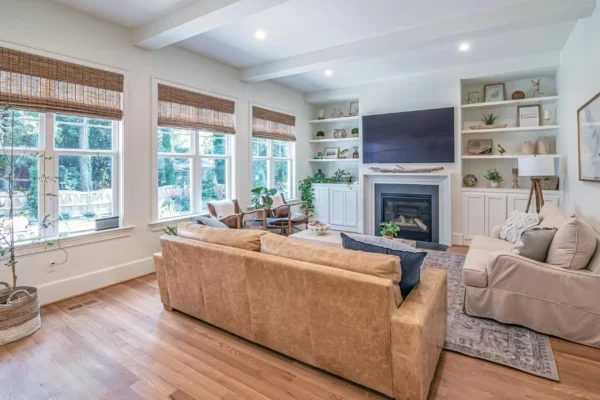
Multiple textured layers provide dimensional, structured, and intentional interiors. Each of the wallpaper, wall panels and window shades adds unique visual and tactile appeal to the ambiance of a room. They complement each other in use and do not overpower the design.
With a pattern, soft or subtle variation finish, wallpaper adds pattern, softness or subtle surface variation. Wall panels create structure, rhythm and architectural definition. Window shades offer more texture and privacy, as well. All the elements are doing something useful and helping to put together the whole.
These layers complement, don’t conflict with each other when integrated correctly. Each surface builds on the next, with the tone, contrast and thought behind material choices all accentuating each other. This creates a sense of harmony, refinement and unity throughout the interior in the texture of the interior design.
Coordinate Patterns and Materials
The secret of successful layering is to keep things in check. The texture used in interior design should add depth, without creating confusion or imbalance. A large number of surfaces can distract from the view and cause a lack of harmony in a space.
Successful combinations are based on careful contrast and pairings. Minimalistic wallpaper, with slatted panels adds depth without distraction. Woven shades and linen drapery provide softness and a variety of light and fabric. There is a balance of textured walls alongside smooth upholstery to create a contrast that doesn’t create chaos.
These can make a well put together interior when they are chosen with care. The design is consistent but there is variation across the surfaces so texture can be added to an interior to complement and not dominate.
Combining Window Coverings in Layers Provides Softness
Window treatments are an important element in texture while designing interiors as they can control the light quality and space movement. They make edges in architecture more soft, and also provide a continuous level of material that communicates with the other parts of the room.
Combination shade-and-draped systems offer a softness around the hard lines of the window, enhancing the overall window design. They are also able to be used in flexible light throughout the day, to change the atmosphere of the space as the natural light moves. In addition to this, they provide insulation and aesthetic balance, creating a sense of completing a room and making it more comfortable.
Layered window treatments are tailored to match wall finishes, furniture choices, and material colour schemes at BD Home Studio. Every combination is created to promote cohesion, which means that texture takes into account the interior design of the walls, the windows and furnishings.
Woven Shades and Natural Materials
Natural woven shades allow for soft and controlled light filtering, adding an organic texture. Woven bamboo, woven wood, and natural grass fibers add warmth, depth and a subtle variation to interior spaces. The finishes are earthy, bringing a natural harmonious feel to the interior, yet still eloquent.
These window treatments are particularly suited to combine with other soft fabrics such as linen or cotton draperies. The structured woven materials contrast with the flowing textiles, creating a sense of layering and intentionality.
These combine to create balance between organized and free forms. The woven shades add definition and shape, and the fabric drapery adds softness and movement, creating grounded and light-filled interiors.
Creating a Luxury Feel Without Overdesigning
The design of the luxury interior is not too much. In many instances, restraint will have a greater impact than over-decoration. In interior design, texture is used to give spaces a sense of elevation, using less pattern and color. Emphasis is given to the careful application of good materials in successive layers.
Neutral Color Palettes Become More Dynamic with Texture
Texture is a key element in neutral interiors when it comes to adding variety and dimension. Monochromatic rooms can end up looking flat, bland and uninteresting without a texture. The texture will add contrast and movement to the overall theme without disrupting the calm and cohesive palette.
Materials like wool rugs, matte wall finishes, linen upholstery and wood paneling create dimension on several surfaces. They are made of various materials that offer different tactile properties, such as softness or wovenness, smoothness or structure. The variation can be done without disrupting the harmony of the whole eye and allows the eye to move through the space naturally.
In interior design, texture is particularly significant in neutral areas where it takes the place of color contrast with material contrast. It is the art of making something simple, well layered, sophisticated and rich, without going overdoing it.
Lighting Can Be Used to Highlight Surface Texture
Lighting can make all the difference in the world when it comes to the perception of texture in interior design. Fabrics, wall finishes and natural materials also show nuanced effects of depth when lit by natural light, changing with the times of day. It reveals faults, improves the grain and reveals the softness or structure in every surface.
Artificial light layers accentuate the surface’s dimensions in the evening. Directional lighting can help to highlight the textures on the walls, while grazing light can bring out the patterns in the wallpaper. Ambient lighting can help to soften the folds in fabric and woven materials. Texture is experienced within each layer of lighting.
Use strategic lighting to accentuate wallpaper, wood grain, fabric folds and woven materials with added contrast and shadow. The light and texture interaction generates atmosphere and mood throughout the day and opens up interiors to be dynamic, responsive and visually engaging at all hours of the day.
What is the Need for Texture in Interior Design?
In addition to its aesthetic impact, texture in interior design can affect comfort, acoustics, and emotional atmospheres. Sound absorptive and echo canceling soft materials produce quieter, more comfortable environments. Layered fabrics add warmth and softness; dimensional surfaces add interest over the years.
Color by itself will not create depth and/or tactile interest in a home, so it can seem incomplete. Adding texture adds complexity but doesn’t demand the use of dramatic design changes or bold statements. It operates in the background and forms an experience of a space.
Crafted layering creates rooms that are inviting and inviting, refined and comfortable, elegant and warm. This is the key to making interiors last and stay relevant, practical, and aesthetically pleasing throughout the years.
Add Layering with Texture to Your Home
Texture is an interior design element that can add a layer of intentionality, balance and refinement to ordinary interior spaces. Layered materials create depth, contrast and character, working across all the surfaces. Few features add as much as decorative wall panels, custom rugs, layered shades, wallpaper and judicious finishes for added richness and dimension without excess and over design.
Each element of design is carefully selected to enhance the overall design concept that materials should work well together rather than in isolation at BD Home Studio. Walls, floors, furnishings and window treatments are all considered as layers that create harmony throughout the home.
The outcome is a space that feels like a visual layer, feels like home and feels like forever. Texture is the glue that binds together everything else, and interiors can be complete, balanced and naturally long lasting.
Frequently Asked Questions (FAQs)
1. What is the significance of texture in interior design?
Texture in the interior can add depth and balance to any room. Interiors need texture to give them a sense of depth or unfinishedness. Light interacts with the materials in various ways that create movement and dimension. Comfort is also enhanced by the introduction of softer surfaces and layered materials, creating a texture. This is enhanced by rugs, wallpaper, fabrics and wood finishes. Texture is enhanced by pairing it with another texture. The warmth and character of interiors is one of the key elements that it provides.
2. What are the differences between a soft texture and a hard texture?
Soft Textures: Fabrics, rugs, upholstery and drapes that add warmth and comfort. Hard textures are materials that have structure and contrast like wood, metal, stone and glass. In interior design, the use of both kinds goes best hand-in-hand. Soft materials absorb sound and provide a soft look to the room. Hard surfaces bring clarity & architectural definition. The layered and cohesive environment is achieved by combining them. This balance will help avoid either stuffy or floppy interiors.
3. What ways are there to add texture to a neutral interior?
Layered textures work well with neutral interior design as they don’t need a lot of bright contrasts. Wallpaper, custom rugs, woven shades, upholstery and wall panels can be used to add texture. Combination of matte and reflective finishes also adds depth to a space. Some natural materials like wool, linen, wood and stone tend to go well together. Layered fabrics help to tone down the space, while keeping the palette cool. There are also lighting effects to further emphasize texture, revealing dimensional surfaces. This will result in sophistication without clutter.
4. Do items of art and craft complement a room's walls?
Decorative wall panels and wallpaper can indeed be used together harmoniously. Panels create structure and architecture, as well as wallpaper softness and movement. This combination is frequently used to add layers of texture to the interior design. Light patterns for the walls are a perfect match for the slatted wood or molding. The important thing is to keep tonal balance and the proportions consistent. These elements, when used in a thoughtful way, can form elegant, well-coordinated interior spaces. They also help to make the walls more purposeful and fulfilling.
5. What is BD Home Studio's attitude towards texture in interior design?
The use of textures in interior design is considered by BD Home Studio as a part of a larger, coordinated system. Designers test the physical reaction of materials to light, architecture, furniture and design. Fabrics, window treatments, rugs, and decorative wall panels are chosen to work well together, instead of clash in appearance. Balance of soft and hard surfaces throughout are addressed. The aim is to design rooms that look full, comfortable and elegant. All materials assist in the functioning and the attractiveness. Long lasting visual harmony and comfort.
Looking to Add More Texture and Dimension to Your Home?
A texture can change the way your home looks and feels each and every day within interior design. It creates atmosphere, depth and adds quiet sophistication to the simplest of spaces. These wall decorations are used to add warmth and balance to the space without overpowering it, such as decorative wall panels, layered window treatments, wallpaper, and custom rugs.
In the studio, at BD Home Studio, the design is customized to include the right materials in the right way, like a painter who makes an intentional, cohesive whole. Every element is chosen to support the other so that the textures are not a dominant element that takes precedence over the rest.
Interiors make an impact and a lasting impression with the right surface and finish layering. Book a consultation now, and discover how you can transform your home into texture-friendly, elegant, comfortable and harmonious space with a proper selection of mascarins.
 info@bdhomestudio.com
 9560 Blenheim Blvd, Fairfax, VA 22031
  +1 571 470 9440