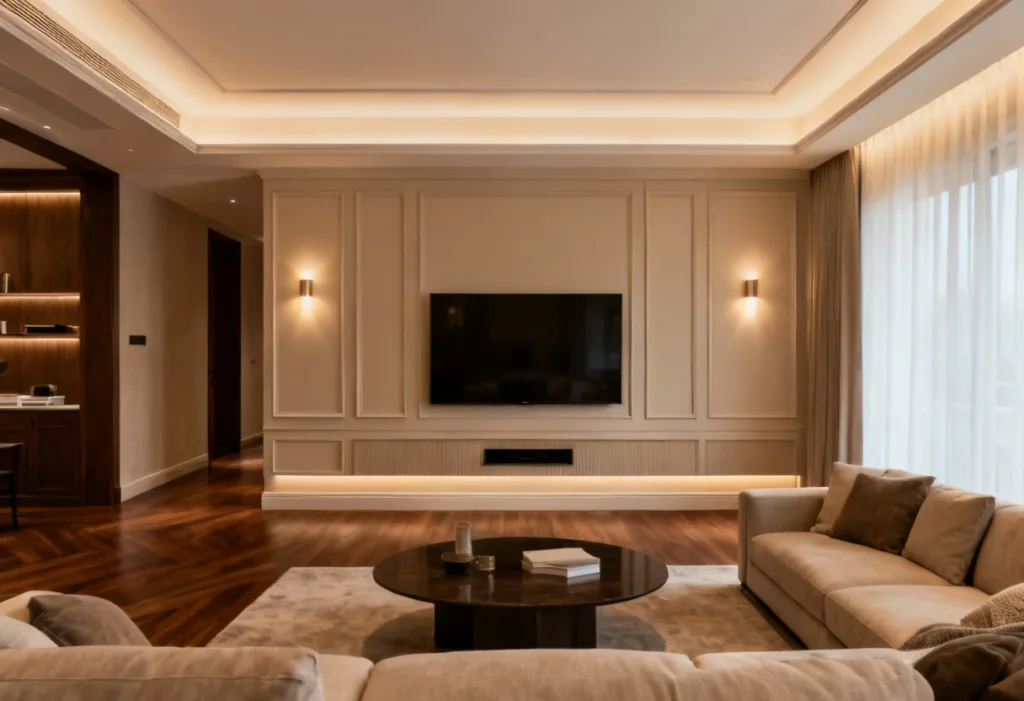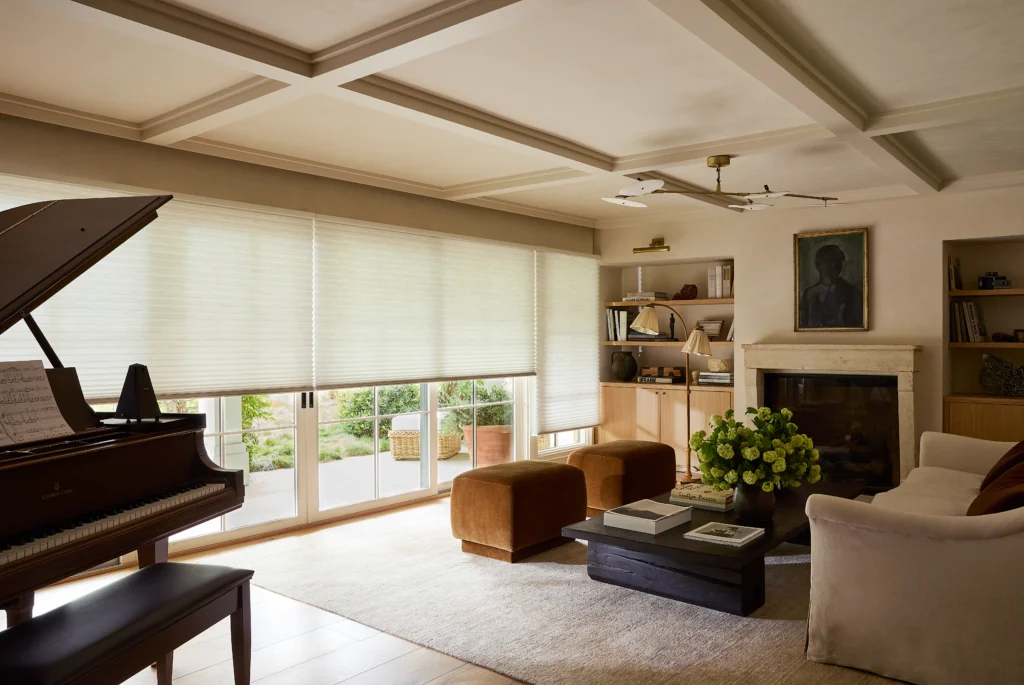
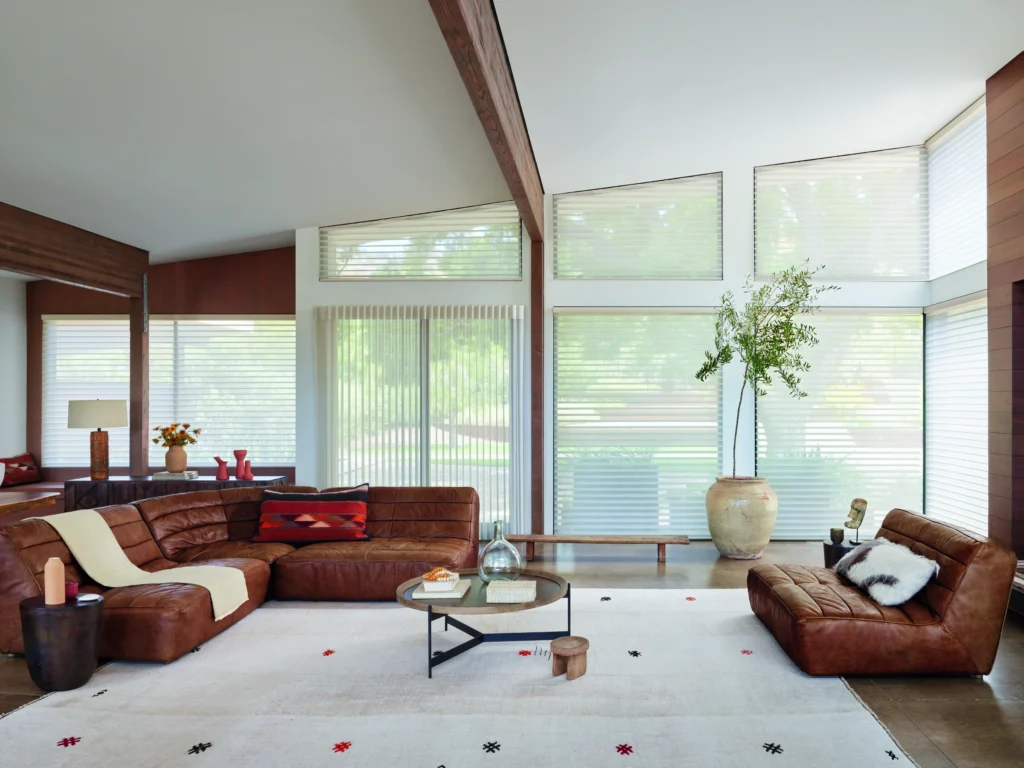
Walls and windows shape how a home feels from the moment you enter. They control light, define structure, and establish visual rhythm across every room. These elements influence how each space connects. Poor coordination creates imbalance. Strong alignment creates flow and consistency. Designing walls and windows together builds a cohesive foundation. Each surface supports the overall layout. Finishes, textures, and proportions work as one system. The result feels intentional and structured. Visual harmony becomes easier to achieve.
At BD Home Studio, walls and windows are treated as a unified design system. Wall finishes, paneling, and window treatments are selected with precision. Furniture, lighting, and layout are considered at the same time. Every element aligns with the overall design direction. Each decision supports balance and clarity. This blog explains how to design with walls and windows in mind. It outlines effective material layering. It shows how to create a signature look that reflects both style and function.
The Power of Coordinated Design
Walls and windows are often treated as separate decisions. This separation can create visual imbalance. Spaces feel disconnected when elements do not relate. A unified approach improves overall design clarity. Walls and windows work better as a coordinated system. Coordination strengthens visual flow across rooms. Wall finishes set the foundation for tone and mood. Window treatments influence light and framing. When both are planned together, they support the same design direction. Transitions between surfaces feel smoother. The interior reads as one cohesive composition.
Alignment in tone, texture, and proportion creates stronger results. Colors remain consistent across materials. Textures complement rather than compete. Window scale matches wall structure. This balance supports architectural harmony. The space feels deliberate and well-resolved. It avoids randomness and visual clutter.
Aligning Materials and Finishes
Material selection defines how walls and windows work together. Wallpaper, paint, paneling, and fabric treatments shape the visual language of a space. A shared palette creates unity. Complementary undertones create balance. The result feels cohesive across surfaces. Warm materials create a soft and inviting atmosphere. Wood panels add depth and natural texture. Linen drapery supports this warmth with a relaxed and organic feel. The combination feels grounded and comfortable.
Cooler materials create a more structured and refined look. Neutral paint tones support clean window treatments. Subtle textures maintain interest without overpowering the space. Shades and tailored fabrics reinforce precision and order. Consistency across materials creates visual continuity. The eye moves smoothly through the room. Transitions feel natural. Surfaces relate to each other. The overall interior feels intentional, balanced, and complete.
Balancing Proportion and Scale
Proportion defines the relationship between walls, windows, and the overall room layout. Window size sets visual weight. Wall scale provides structure. Both elements must feel balanced within the space. Large windows require treatments that match their scale. Full-height drapery supports tall openings. Clean lines maintain visual order. Expansive walls benefit from structure. Paneling adds rhythm. Textured finishes add depth. These details prevent flat or empty surfaces.
Balance exists when no single element dominates. Walls and windows share visual importance. Furniture sits within this framework. The room gains clear structure and definition. Each component supports the next. At BD Home Studio, proportion is carefully evaluated during design planning. Wall treatments and window solutions are aligned with room scale. Each decision ensures equal contribution to the overall composition.
Wallpaper + Panels + Window Treatments
Comfort and durability work together in upholstered furniture. Both factors determine long-term performance. High-density foam provides strong support. It retains shape over time. Layered cushioning adds comfort and structure. It improves seating experience without quick breakdown. Durable fabrics protect the surface. They resist daily wear and maintain appearance.
Performance upholstery increases usability in busy spaces. It resists stains from spills, reduces fading from sunlight exposure, and holds up under frequent use. This makes it suitable for high-traffic areas such as living rooms and family spaces.
Investment furniture is designed for consistency over time. It maintains comfort through repeated use, preserves its visual quality, and reduces the need for frequent replacement. This balance of comfort and durability supports long-term value.
Integrating Wallpaper with Architectural Panels
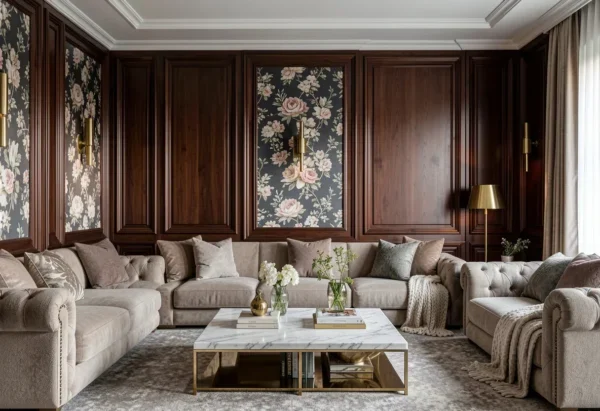
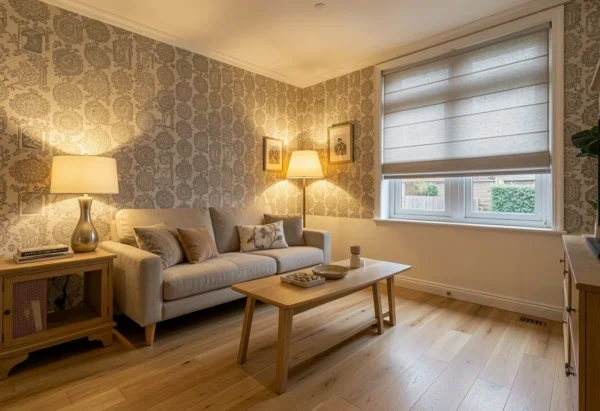
Wallpaper adds pattern and texture. Panels add structure and depth. Together they create a layered wall design. The surface gains presence and dimension. The room feels more intentional. One approach places wallpaper inside panel frames. This creates framed visual sections. It adds order to patterned surfaces, prevents visual overload, and highlights selected areas of the wall. Another approach uses panels to divide wallpaper sections. This introduces rhythm across the surface. It breaks large walls into structured parts. It improves proportion and balance.
Subtle textures also pair well with clean panel lines. Soft finishes contrast with structured geometry. This combination adds interest without clutter. The result is a wall that feels designed, layered, and visually complete.
Coordinating Window Treatments with Wall Finishes
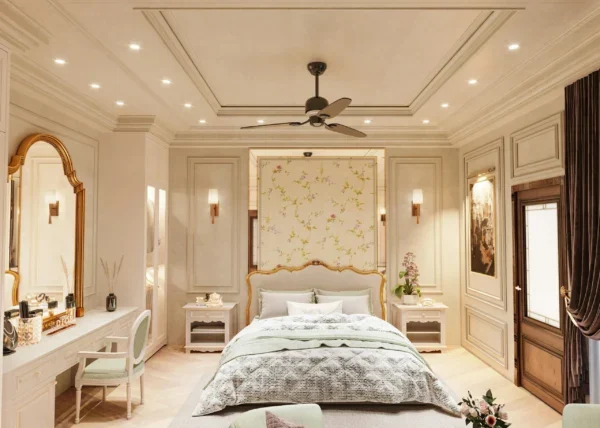
Window treatments should complement wall finishes. They should not compete for attention. Fabric choice, color, and texture need alignment with surrounding surfaces. This creates visual harmony across the room. Textured wallpaper works well with soft drapery. The contrast feels balanced and natural. Clean wall panels pair well with structured shades. The result feels more precise and controlled. Each combination supports the character of the space. Coordinating walls and windows creates a unified design. Surfaces relate to each other. Transitions feel smooth. The room gains clarity and cohesion. The overall interior feels intentional and well-balanced.
At BD Home Studio, window treatments are selected with careful attention to wall materials. Every choice considers texture, tone, and structure. The goal is a cohesive and refined interior composition.
Layering Light and Texture
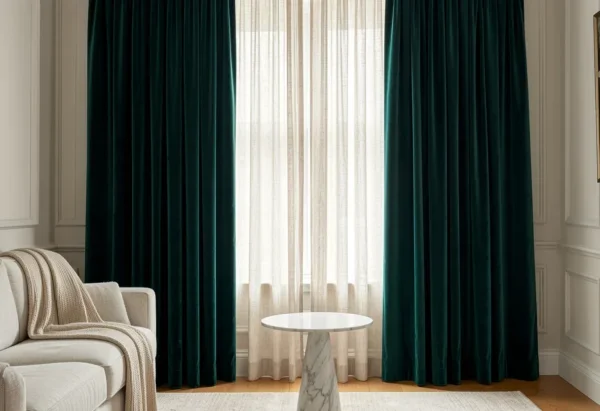
Light and texture shape how walls and windows feel throughout the day. Natural light changes constantly. Surfaces respond differently at each moment. Texture adds depth to these shifts. The interior becomes more dynamic and responsive. Layering strengthens this effect. Multiple materials interact with light in different ways. Soft fabrics diffuse brightness. Structured surfaces create contrast. Wall finishes add additional variation. The space feels active without becoming overwhelming. Layered window treatments improve control over light levels. Sheer fabrics soften daylight. Heavier layers provide privacy and shade. Adjustments allow flexibility throughout the day. This creates a more adaptable environment.
Inspired by advanced shading systems, layering combines function and design. It supports precise light control. It also enhances surface texture across the room. The result is a balanced interior that changes naturally with time and conditions.
Managing Natural Light with Layered Shades
Layered shades improve control over brightness and privacy. Sheer layers diffuse daylight. Opaque layers reduce visibility and block light. The combination allows flexible adjustment throughout the day. This system supports changing conditions. Morning light feels soft and balanced. Midday glare becomes easier to manage. Evening settings shift toward privacy and comfort. Walls and windows maintain a consistent visual atmosphere as light changes. Light-filtering layers create a gentle glow across the room. They reduce harsh shadows. Room-darkening layers provide stronger coverage when needed. They improve privacy and rest conditions. Together, they create a functional and adaptable window system.
Enhancing Texture Through Fabric and Surface Pairing
Texture adds depth to walls and windows. It creates dimension across flat surfaces, shapes how light interacts with the room, and prevents interiors from feeling one-dimensional or static. Woven shades introduce organic variation. They filter light in uneven, natural patterns. Linen drapery adds softness and movement. It shifts gently with air and light. Textured wallpaper introduces surface detail and pattern control. It adds visual structure without heavy contrast. Each material contributes a different effect. Together, they form a layered composition.
These combinations add variety while maintaining balance. The design stays cohesive, textures support each other, and the room feels detailed without becoming visually heavy. Each surface has a clear role within the overall scheme.
Light changes how these textures are perceived throughout the day. Morning light softens shadows and highlights fabric flow. Midday light reveals sharper texture and structure. Evening light deepens contrast and warmth. The room shifts naturally with time.
At BD Home Studio, material selection focuses on layered depth and long-term harmony. Each combination is chosen to enhance visual interest, tactile quality, and overall design balance.
Creating a Signature Look for Your Home
Walls and windows define the character of a home. Coordinated design creates identity across spaces. Each decision contributes to a consistent visual language. The goal is not trend-following. The goal is long-term design clarity. A signature look comes from repetition and harmony. Colors, materials, and proportions remain consistent throughout the home. This creates recognition from room to room. The interior feels connected rather than fragmented. Each space supports the next.
A cohesive color palette strengthens this effect. Neutral tones build a stable foundation. Soft whites, warm beiges, and muted greys create continuity. Accent colors add depth and variation. Wallpaper introduces pattern. Drapery introduces tone and softness. Balance keeps the palette controlled and intentional. Personalization comes through materials and detailing. Textured wallpaper adds character. Custom paneling adds structure. Tailored window treatments refine the overall look. Small elements shape the final composition. Trim finishes, stitching details, and fabric patterns contribute subtle identity. These choices define how the space feels on a closer level.
At BD Home Studio, walls and windows are designed as part of a unified system. Material selection supports both function and aesthetics. Each detail aligns with the homeowner’s lifestyle and design goals. The result is a cohesive, personalized interior with lasting visual consistency.
Designing with Walls and Windows as a Unified System
Treating walls and windows as a single design system changes how a space feels and functions. Each surface works together. Each decision supports the overall composition. The result is a unified interior rather than disconnected elements. Coordination of materials and finishes builds consistency. Wall treatments and window fabrics share tone and texture. This creates visual continuity across the room. Alignment of proportions and scale strengthens balance. Window sizes relate to wall divisions and architectural structure. The space feels measured and intentional. Layering texture and light adds depth. Natural light interacts with different surfaces throughout the day. Soft fabrics, painted walls, and panel details respond differently to illumination. This creates variation without disrupting harmony. Integration of architectural elements reinforces structure. Trim, molding, and built-ins connect walls and windows into one system.
At BD Home Studio, this approach guides every project. Walls and windows are planned together from the start. The goal is a space that feels structured, balanced, and refined across every room.
Elevate Your Home with Thoughtful Design Integration
Walls and windows shape the structure and atmosphere of a home. They influence light, proportion, and spatial flow. When designed together, they create a unified environment. The space feels more balanced. The layout feels more intentional. At BD Home Studio, interior design follows a coordinated system. Wall finishes, paneling, and window treatments are planned as one composition. Each element supports the others. Materials, tones, and textures are selected with consistency. The result is a cohesive and refined interior. When a space feels disconnected, the issue often lies in how these elements interact. Reworking the relationship between walls and windows improves clarity. It strengthens visual flow. It creates a more harmonious and complete environment.
Frequently Asked Questions (FAQs)
1. Why is it important to design walls and windows together?
Designing walls and windows together ensures a cohesive and balanced interior. When treated separately, these elements can feel disconnected. Coordinating them allows materials, colors, and textures to align. This creates a smoother visual flow throughout the space. It also improves how light interacts with surfaces. A unified approach enhances both function and aesthetics. This method leads to more refined and intentional interiors.
2. How do wallpaper and window treatments work together?
Wallpaper and window treatments should complement each other in color, texture, and scale. Textured wallpaper pairs well with soft drapery, while simpler walls may benefit from more structured treatments. The goal is to create balance rather than competition. Coordinated selections ensure that both elements contribute to the overall design. Proper pairing also enhances how light interacts with the room. Designers often use samples to test combinations. This helps achieve a cohesive result.
3. What are the benefits of layering window treatments?
Layering window treatments provides flexibility in light control and privacy. Combining sheer and opaque layers allows for adjustments throughout the day. It also adds depth and texture to the space. Layered designs improve insulation and comfort. They create a more polished and complete look. This approach works well in both modern and traditional interiors. It enhances both function and visual appeal.
4. How can I create a cohesive look using walls and windows?
Start by selecting a consistent color palette that connects wall finishes and window treatments. Choose materials that complement each other in texture and tone. Consider how light interacts with each surface. Align proportions so that neither walls nor windows dominate the space. Integrate elements such as paneling or wallpaper to add structure. Work with a designer to refine these selections. This ensures a balanced and cohesive interior.
5. How does BD Home Studio approach walls and windows design?
BD Home Studio begins by evaluating the layout and lighting conditions of each space. Designers assess how walls and windows interact with furniture and architectural features. Materials and finishes are selected to create a unified look. Window treatments are tailored to complement wall surfaces. Installation is handled with precision to maintain alignment and quality. The process focuses on long-term functionality and visual balance. This approach results in interiors that feel cohesive and refined.
Ready to Transform Your Space with Walls and Windows?
Walls and windows shape how a home is experienced every day. They influence light, proportion, and atmosphere. Coordinated design improves clarity. Layered materials add depth. Controlled lighting enhances comfort. The result is a space that feels structured and welcoming at the same time. At BD Home Studio, design solutions are tailored to each home. Wall finishes, paneling, and window treatments are planned together. Materials are selected for consistency. Textures are layered with intention. Light control is integrated into the overall design. Every detail supports a unified interior. Schedule a private consultation to explore a more cohesive approach to your space. A unified design strategy for walls and windows can improve flow, enhance visual balance, and elevate the overall feel of your home with precision and purpose.
 info@bdhomestudio.com
 9560 Blenheim Blvd, Fairfax, VA 22031
  +1 571 470 9440