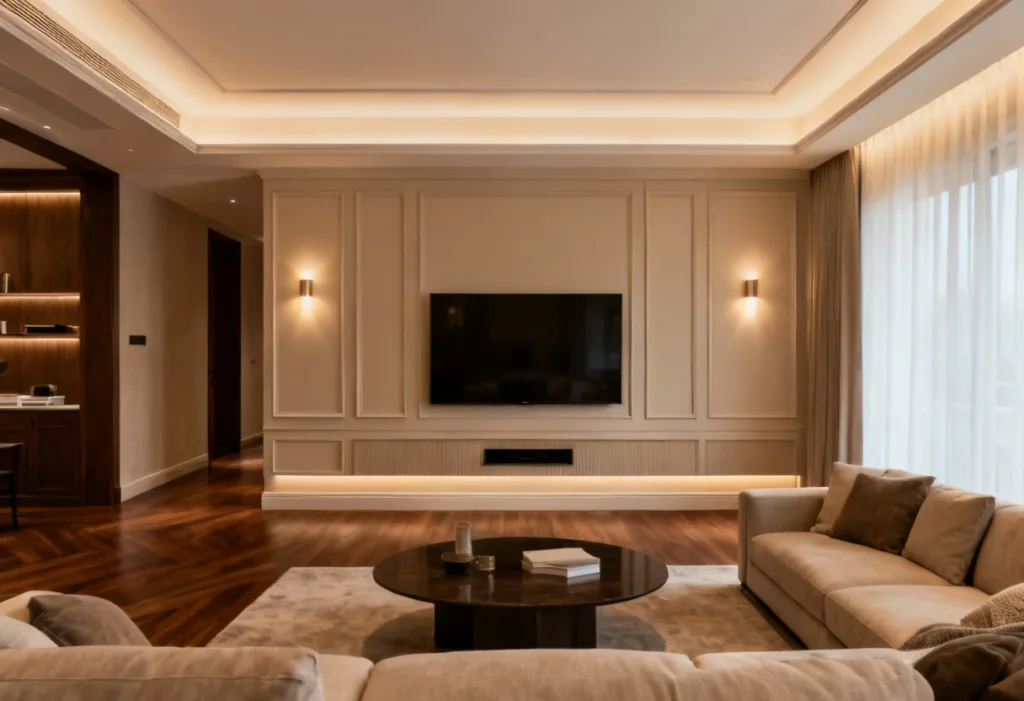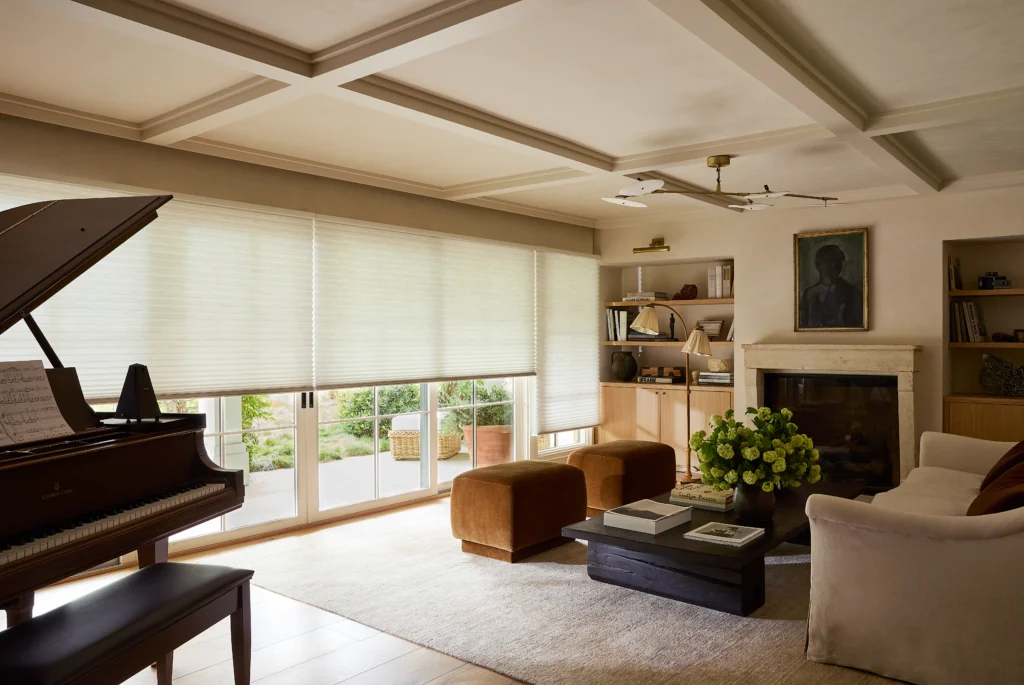
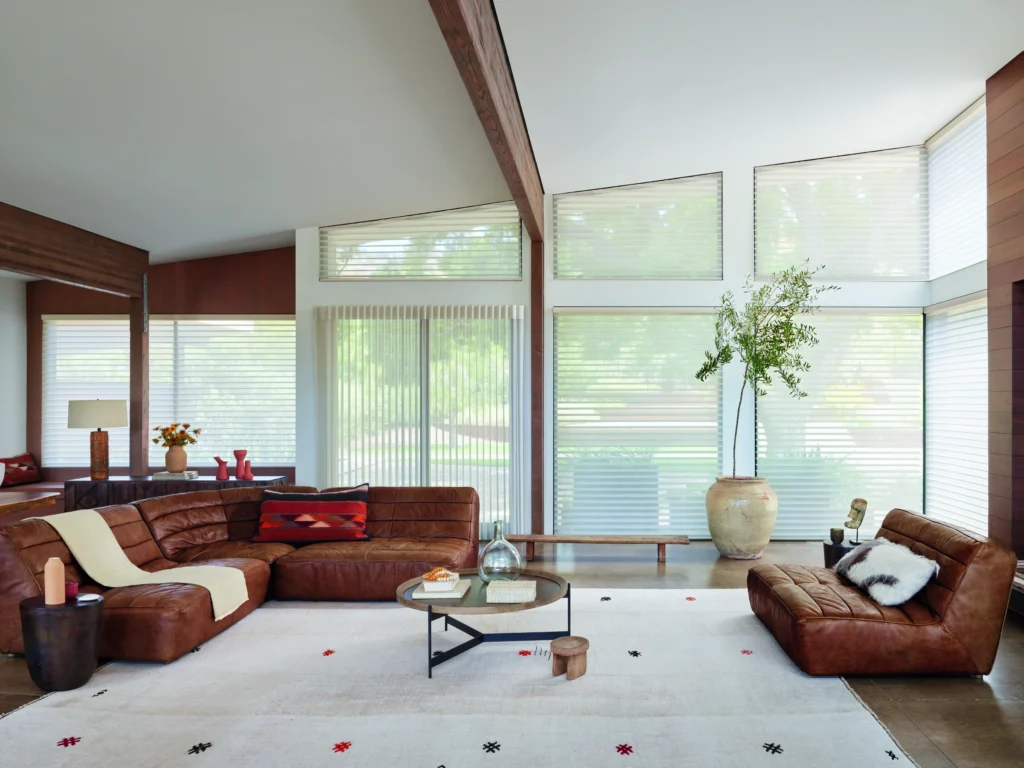
Accent wallpaper shapes how interiors are defined. It introduces pattern, texture, and depth without overwhelming a space. Designers use it to control visual focus and spatial balance. It can highlight a single wall or define an entire room and can affects how light reflects across surfaces. Wallpaper influences how furniture stands out or blends in. It also changes how a space feels in terms of scale and mood.
At BD Home Studio, wallpaper is treated as part of a complete design system. Each selection follows careful evaluation. Designers consider scale, tone, and material. They study how the wallpaper interacts with walls, ceilings, and built-in elements. They align each choice with the structure of the room. The decision between an accent wall and full-room coverage depends on function and layout. It also reflects how the space connects to adjacent areas.
This blog explains when to use accent wallpaper as a focal point. It outlines when to extend wallpaper across all walls. It also shows how to coordinate each approach for a balanced and refined interior.
The Evolution of Wallpaper in Modern Interior Design
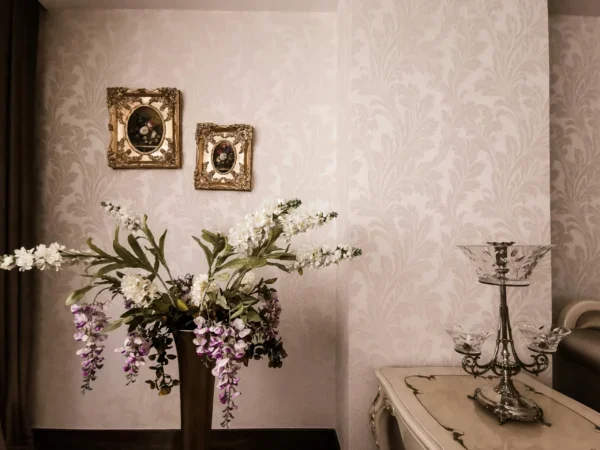
Wallpaper has moved beyond its traditional role as a decorative surface covering and now functions as a design tool that shapes spatial identity and enhances architectural features. In contemporary interiors, accent wallpaper is used to create curated focal points that guide visual attention, introduce subtle layers of texture that add depth without overwhelming the space, and integrate seamlessly with lighting and surrounding materials to influence how surfaces are perceived. It is also carefully coordinated with furniture and layout, ensuring that every element in the room works together in a unified and intentional way. Rather than simply filling empty walls, accent wallpaper defines the space and contributes to the overall structure of the interior.
Accent wallpaper now works alongside elements such as wall panels, custom rugs, and window treatments to create cohesive and well-balanced environments. Each component supports the others, resulting in a layered design that feels complete and thoughtfully arranged. At BD Home Studio, wallpaper selections are guided by how they interact with the entire room rather than how they appear in isolation. This approach ensures long-term visual balance, allowing the design to remain adaptable as furniture, lighting, or layout changes over time.
The Case for the Accent Wall: Creating a Focal Point
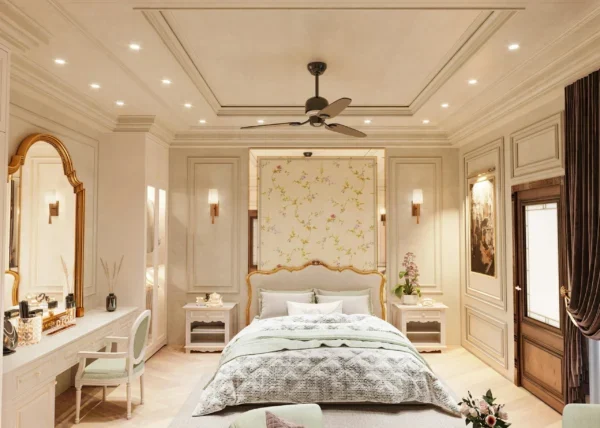
Accent wallpaper is often used to establish a clear focal point within a room by limiting coverage to a single surface. This approach introduces contrast while keeping the surrounding walls calm and visually balanced, allowing the eye to naturally settle on one defined area. It works especially well in spaces that require clarity and structure, as a single wallpapered wall can anchor the layout without competing with furniture or architectural elements. By concentrating visual interest in one location, the overall design feels more intentional and easier to navigate.
At the same time, accent wallpaper allows for more expressive design choices. Strong patterns, darker tones, and textured finishes can be used with confidence because they are contained within a controlled area. This makes it possible to introduce bold or statement-making elements without overwhelming the entire room. The result is a space that feels dynamic and refined, where visual impact is achieved through balance rather than excess.
Best Rooms for a Wallpapered Accent Wall
Bedrooms and home offices benefit significantly from accent wallpaper because it adds structure without overwhelming the space. In bedrooms, it creates a clear backdrop behind the bed, anchoring the layout and giving the room a sense of order without adding visual clutter. In home offices, accent wallpaper helps define the workspace within the room while also improving the visual background for video calls, adding depth and character without becoming distracting during focused tasks.
Accent wallpaper also works well in other areas of the home where definition and visual interest are needed. In living rooms with defined seating areas, it highlights the main gathering space and helps organize the layout. In entryways, it creates a strong first impression by adding personality and visual impact as soon as someone enters the home. In reading nooks within larger open layouts, it helps carve out a quieter, more intimate zone that feels separate from the rest of the space.
This approach allows each area to feel intentional and well-designed while maintaining flexibility in the surrounding elements, ensuring the overall interior remains balanced and cohesive.
Framing the Wall: Behind the Bed or the Fireplace
Placement plays a critical role in how accent wallpaper functions, as the most effective accent walls align with existing focal points within the room. Positioning wallpaper in these areas allows it to enhance what is already visually important rather than competing for attention. Common placements include behind the bed in primary bedrooms, where it anchors the sleeping area and creates a strong backdrop; behind a fireplace in living rooms, where it highlights a central architectural feature; behind a sofa in seating areas, where it defines the main gathering zone; and behind a desk in offices, where it establishes a clear and professional workspace. These locations naturally draw attention, making them ideal for accent wallpaper applications because they reinforce the room’s structure instead of disrupting it.
Framing the wall correctly is essential to ensure that the wallpaper complements the architecture. Proper alignment with furniture, proportions, and surrounding elements allows the design to feel intentional and balanced. BD Home Studio carefully evaluates sightlines, room flow, and furniture placement before recommending accent wall positioning, ensuring that each installation enhances the overall composition of the space while maintaining visual harmony.
The Case for Wrapping the Whole Room: Immersive Design
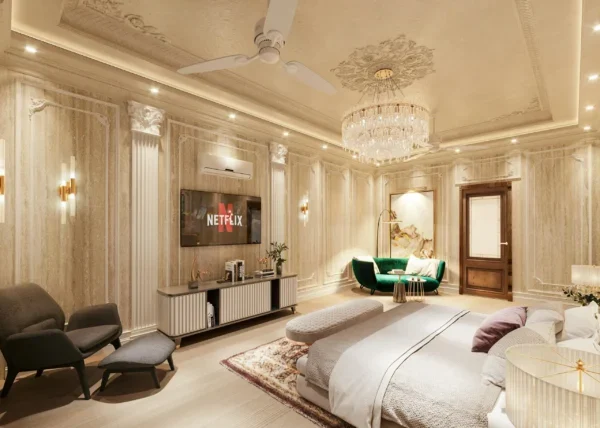
While accent wallpaper offers control and restraint, full-room wallpaper creates a more immersive experience by covering all walls with a cohesive pattern or texture. This approach transforms the entire space into a unified environment where every surface contributes to the overall design, creating a strong sense of continuity and depth.
Full-room wallpaper works best in spaces where intimacy and atmosphere are priorities, such as bedrooms, dining areas, or lounges. Instead of relying on a single focal point, the entire room becomes the visual statement, allowing the design to feel more enveloping and intentional. This can make the space feel more complete, especially when the pattern or texture is carefully selected to match the room’s purpose.
By extending wallpaper across all walls, edges appear softer and transitions between surfaces become less noticeable. This reduces visual contrast and creates a smoother flow throughout the room, making the space feel more cohesive and refined. The result is an environment that feels balanced, layered, and thoughtfully designed from every angle.
Why Small Prints and Grasscloths Excel in Whole-Room Applications
Not all wallpaper patterns are suited for full-room coverage, as larger or highly detailed designs can quickly overwhelm a space when applied across every wall. Smaller-scale prints and textured materials tend to perform best because they maintain visual consistency while keeping the overall look balanced and easy on the eyes. These options create interest without competing with other design elements, allowing the room to feel cohesive rather than crowded.
Grasscloth wallpaper is a strong example of this approach, as it introduces subtle variation and natural texture that adds depth without relying on bold patterns. Its organic finish creates a calm, neutral tone that works well in a wide range of interiors, making it ideal for spaces that aim for a relaxed and refined atmosphere.
Small repeating patterns also work effectively in full-room applications because they establish a gentle visual rhythm without dominating the environment. These designs provide enough detail to keep the walls engaging while still allowing furniture, lighting, and architectural features to remain the focal points within the space.
BD Home Studio often recommends these materials for full-room wallpaper applications where balance and continuity are key. By selecting patterns and textures that support the overall design rather than overpower it, they ensure that the space feels unified, comfortable, and visually refined over time.
Creating Cozy, Jewel-Box Environments in Dining Rooms
Dining rooms are ideal candidates for immersive wallpaper design, where covering all walls with accent wallpaper creates a contained environment that feels warm, inviting, and intentionally defined. This full-room application helps establish a strong sense of atmosphere, turning the dining space into a distinct zone that feels separate from the rest of the home while still maintaining visual harmony.
It produces a “jewel-box” effect that enhances lighting, especially when paired with statement fixtures such as chandeliers or pendant lights. The surrounding wallpaper reflects and softens light in subtle ways, enriching the overall ambiance. The enclosed atmosphere makes the space feel more intimate and grounded, even within open floor plans where boundaries between rooms are minimal.
Deeper tones and textured finishes often work best in these settings, as they add depth, richness, and character without overwhelming the space. Instead of competing with the furnishings, they provide a refined backdrop that enhances the dining experience and elevates the overall mood.
When used across all walls, accent wallpaper transforms dining areas into distinct destinations within the home, giving them identity, presence, and a sense of occasion that enhances both everyday meals and special gatherings.
The "Fifth Wall" Trend: Designer Wallpaper on the Ceiling
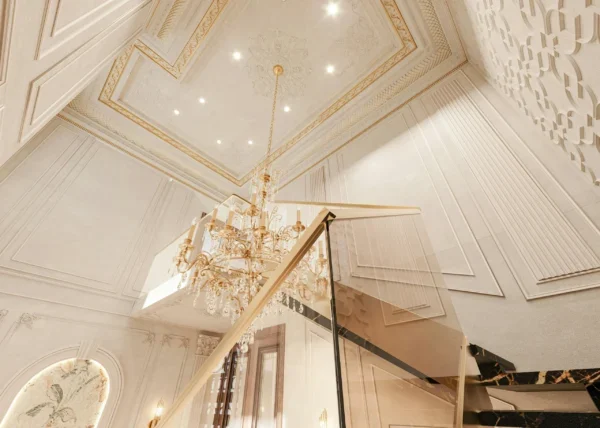
Ceilings are increasingly treated as an active design surface rather than a neutral backdrop. Applying accent wallpaper to the ceiling introduces an unexpected layer of visual interest and expands how a room is perceived beyond its vertical walls. This approach adds character in a subtle but impactful way, shifting attention upward and creating a more complete design experience.
This technique works particularly well in bedrooms, where ceiling wallpaper can create a cocoon-like effect that enhances comfort and intimacy. In dining rooms, it helps highlight lighting fixtures by framing them against a patterned or textured surface, making them feel more intentional and visually striking. In entryways, ceiling wallpaper delivers immediate impact, shaping first impressions the moment someone steps inside.
Ceiling applications naturally draw the eye upward, emphasizing height and highlighting architectural details that might otherwise go unnoticed. This adds depth to the space without interfering with wall-mounted furniture, artwork, or built-in elements, allowing the rest of the room to remain functional and uncluttered.
When used thoughtfully, ceiling wallpaper complements wall treatments rather than competing with them, contributing to a balanced and layered interior. BD Home Studio often incorporates this approach in spaces where additional dimension is needed, ensuring that ceilings become an integrated part of the overall design rather than an overlooked surface.
Coordinating Wallpaper Patterns with Decorative Wall Panels
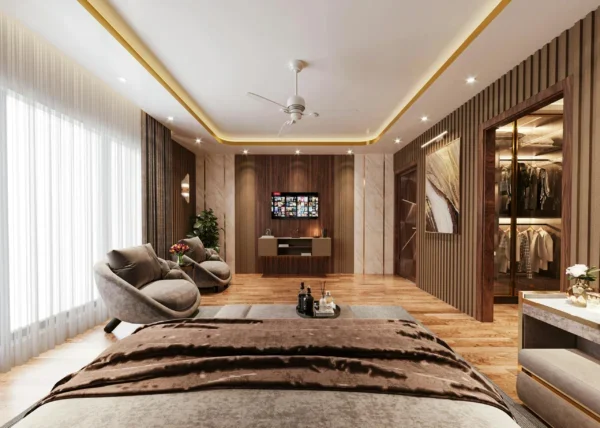
Accent wallpaper and wall panels can work together to create layered interiors that feel structured and visually rich. Wallpaper introduces pattern, texture, and movement, while wall panels add depth, rhythm, and architectural definition. When combined thoughtfully, they create feature walls that feel intentional rather than purely decorative. Wallpaper can be used to fill recessed panel sections, allowing patterns or textures to sit within a structured framework. This creates a framed effect that adds detail without overwhelming the overall design. Wall panels can also frame wallpapered surfaces, giving bold prints or subtle textures a clear boundary that enhances their impact. In some layouts, contrasting materials are used to define different zones within the same room, helping separate functions while maintaining visual cohesion.
This combination supports more dynamic compositions because it balances softness with structure. The wallpaper brings visual interest, while the panels provide order and repetition, preventing the design from feeling chaotic or busy. The result is a layered effect that adds depth without sacrificing clarity or elegance. Coordinating these elements requires careful attention to scale, tone, and material balance. Wallpaper patterns should align with the proportions of the panel design, ensuring neither element dominates the other. Finishes must also complement each other, whether through subtle contrast or tonal harmony, to maintain a unified look across the entire wall.
BD Home Studio integrates wallpaper with panel systems to create cohesive feature walls that feel both structured and refined, blending decorative expression with architectural precision.
Let BD Home Studio Guide Your Wallpaper Vision
Choosing between accent wallpaper and full-room coverage depends on how the space functions and how it connects to the rest of the home. Each approach serves a different purpose and creates a distinct visual and emotional effect within an interior. Accent wallpaper introduces focus and contrast, while full-room coverage builds continuity and immersion. The right choice is guided by the mood, scale, and intended use of the space. BD Home Studio begins each project by carefully evaluating layout, lighting conditions, and material relationships within the room. These factors determine how wallpaper will interact with architectural features, furnishings, and natural light throughout the day. Wallpaper selections are then developed to enhance these elements, ensuring the final design feels cohesive and well integrated rather than isolated or overly decorative.
Whether creating a defined focal wall or an immersive full-room environment, the primary goal remains consistent: to achieve a balanced interior that feels intentional, refined, and enduring over time. Every decision is made to support harmony within the space, ensuring that design elements work together seamlessly.
From subtle textures that add quiet depth to expressive patterns that establish strong visual identity, accent wallpaper becomes part of a larger design narrative. It reflects the character of the home and contributes to an environment that feels thoughtfully composed, layered, and complete.
Define Your Space with Thoughtful Wallpaper Design
Accent wallpaper offers flexibility in shaping how a room feels and functions. It can define a focal point, introduce texture, and add depth that enhances the overall interior without overwhelming the space. Whether applied to a single wall or extended across all surfaces, it helps establish structure and visual interest that supports the room’s design intent. At BD Home Studio, each wallpaper decision is guided by the relationship between space, light, and materials. Careful consideration is given to how natural and artificial lighting interact with surface patterns, as well as how finishes and textures relate to surrounding architectural elements. This process ensures that every selection contributes to a cohesive interior rather than existing as a standalone decorative feature.
If you are considering wallpaper for your home, a tailored approach can help determine whether an accent wall or full-room coverage best supports your vision. By aligning design choices with function and spatial flow, the right selection creates clarity, balance, and a lasting visual impact that enhances the overall character of the home.
Frequently Asked Questions (FAQs)
1. What is the difference between accent wallpaper and full-room wallpaper?
Accent wallpaper is applied to a single wall to create a focal point, while full-room wallpaper covers all walls for a more immersive effect. Accent wallpaper allows for stronger patterns without overwhelming the space. Full-room applications rely on subtle textures or smaller prints to maintain balance. Both approaches serve different design goals depending on the room’s function. Accent walls provide flexibility, while full coverage creates continuity. Designers often choose based on lighting, furniture placement, and spatial flow. Each option can be effective when planned carefully.
2. Which rooms are best suited for accent wallpaper?
Accent wallpaper works well in bedrooms, living rooms, home offices, and entryways. These spaces benefit from a defined focal point that anchors the design. Bedrooms often use accent wallpaper behind the bed for structure. Living rooms place it behind sofas or fireplaces. Home offices use it to create a polished background for work and video calls. Entryways benefit from its ability to create a strong first impression. The key is selecting a wall that naturally draws attention within the room.
3. When should I use wallpaper on all walls instead of just one?
Full-room wallpaper is ideal when creating a cohesive, immersive environment. It works well in dining rooms, powder rooms, and smaller spaces where continuity enhances the atmosphere. Subtle patterns and textured materials perform best in these applications. Full coverage reduces visual breaks between walls, creating a unified look. It also softens edges and enhances lighting effects. Designers often recommend this approach when intimacy and warmth are priorities. Proper pattern selection ensures the space remains balanced.
4. Can accent wallpaper be combined with wall panels?
Yes, accent wallpaper and wall panels can be combined to create layered and structured interiors. Panels add architectural definition, while wallpaper introduces pattern and texture. This combination works well in feature walls and media areas. Designers often use panels to frame wallpaper sections or create contrast between materials. Coordination of scale and color is essential for a cohesive result. When executed correctly, this approach enhances both depth and visual clarity. It also allows for more creative design possibilities.
5. How does BD Home Studio help with wallpaper selection?
BD Home Studio begins by understanding how each room is used and how it connects to adjacent spaces. Designers evaluate lighting, furniture placement, and material finishes before recommending wallpaper options. Samples are reviewed within the space to ensure accurate color and texture alignment. Placement strategies are developed to highlight architectural features or focal points. Installation is handled with precision to maintain quality and durability. The process focuses on creating a cohesive design rather than isolated elements. This approach ensures long-term visual balance and functionality.
Ready to Transform Your Walls with Designer Wallpaper?
Accent wallpaper can redefine how your home feels from the moment you enter a room. Whether you prefer a single statement wall or a fully immersive design, the right wallpaper brings depth, texture, and structure to your space. BD Home Studio offers personalized guidance to help you select patterns and materials that align with your interior style. Schedule a private consultation today and discover how thoughtful wallpaper design can elevate your home with precision and purpose.
 info@bdhomestudio.com
 9560 Blenheim Blvd, Fairfax, VA 22031
  +1 571 470 9440