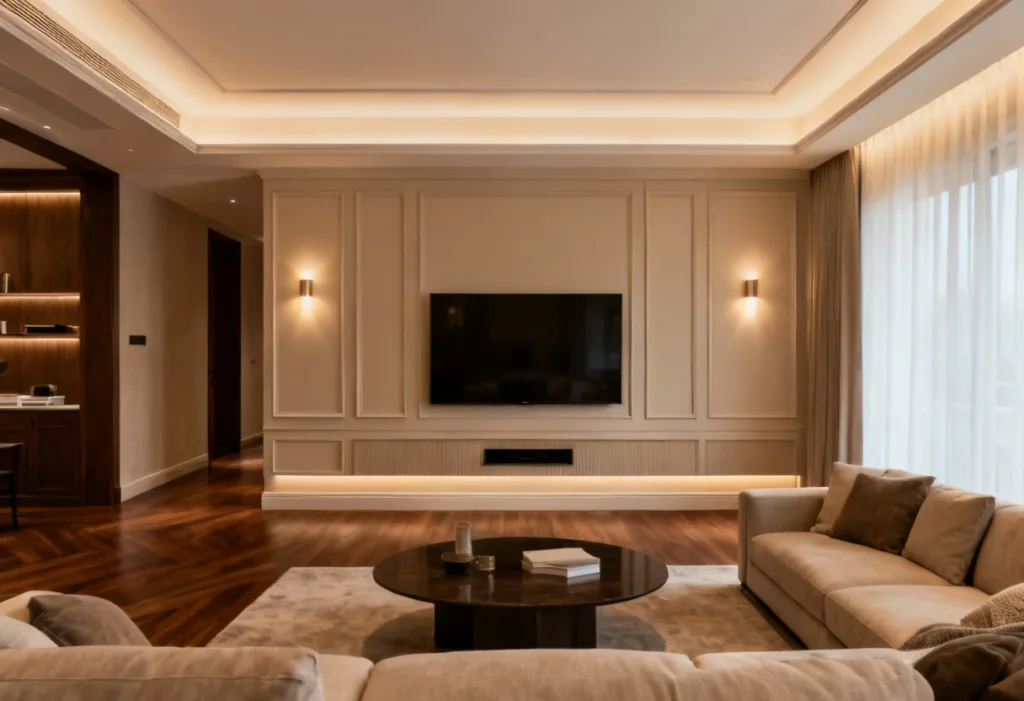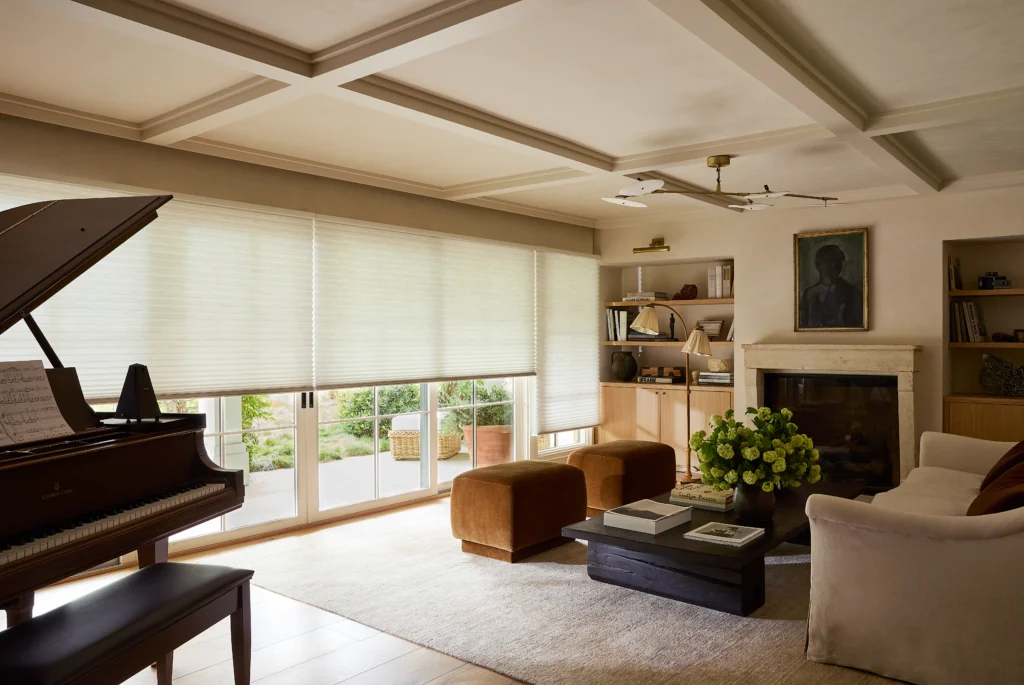
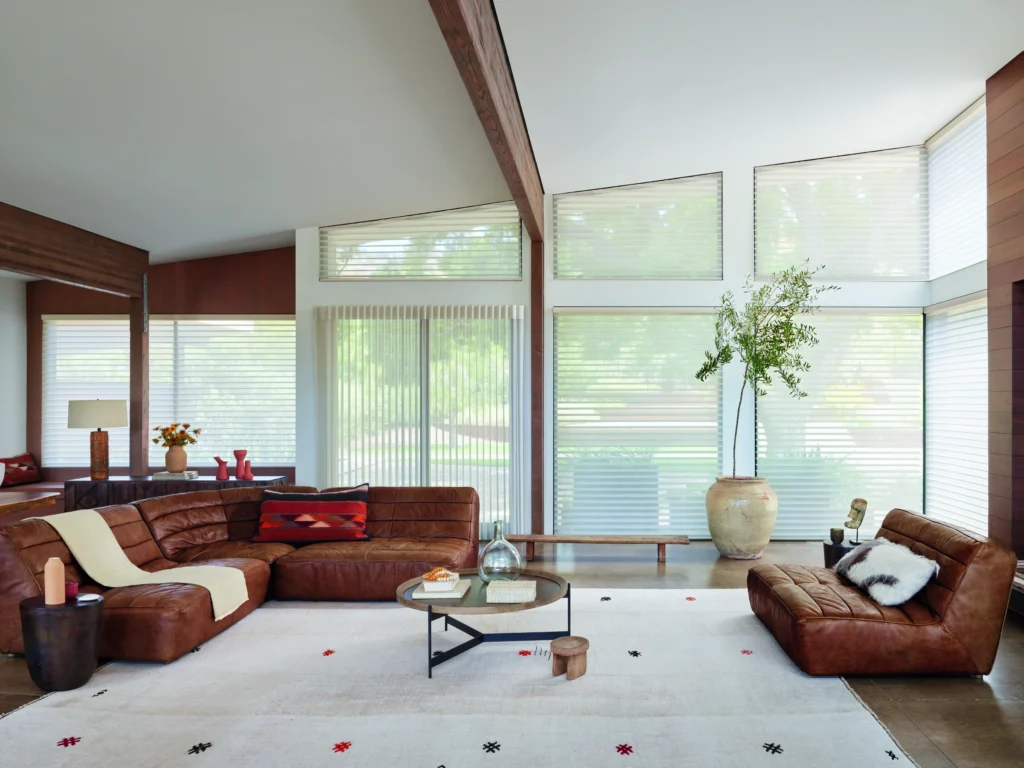
Custom shades and blinds shape how a home feels throughout the day by influencing light quality, privacy levels, interior comfort, and overall visual balance. At BD Home Studio, window treatments function as architectural components that support the structure and rhythm of a room. Designers evaluate window scale, ceiling height, wall color, flooring tone, and furniture placement before recommending materials and control systems. This approach ensures each treatment contributes to the room’s composition rather than sitting apart from it as a separate decorative layer.
Carefully selected and precisely installed window coverings manage daylight with intention and consistency. Filtered light softens interior surfaces. Controlled privacy supports daily routines. Balanced illumination protects furnishings and finishes from excessive exposure. These adjustments strengthen the atmosphere of a space and help maintain visual comfort throughout changing conditions during the day.
Custom window treatments also support long-term design cohesion. Fabric texture connects with upholstery and rugs. Slat direction aligns with architectural lines. Mounting placement reinforces ceiling height and window proportion. Each decision contributes to a refined environment that feels calm, structured, and visually complete.
This blog explains the difference between shades and blinds, outlines several of the most refined systems available today, and explores how tailored window treatments support cohesive interior planning across both modern and transitional homes.
Shades vs. Blinds: Which is Right for Your Home?

Choosing between shades and blinds depends on how a space is used, how much control is needed over light, and the overall design direction of the interior. Both systems manage privacy and regulate daylight. Each system creates a different visual effect on surrounding walls and furnishings. Each system changes how a room feels throughout the day.
Shades use continuous fabric panels that create a softer surface across the window area. This structure supports calm interiors with layered textures and balanced color relationships. Blinds use adjustable slats that provide more precise light direction and visibility control. This structure introduces stronger lines and clearer definition along the window plane.
These differences influence comfort, atmosphere, and spatial clarity. Careful selection ensures the window treatment supports both daily function and overall interior composition.
The Sleek Look of Window Shades
Shades are often selected for their soft, continuous appearance. When raised, they fold or roll neatly, preserving a clean architectural line across the window. When lowered, they create an uninterrupted surface that contributes to a calm and minimal visual field.
Fabric selection plays a key role in how shades perform. Light-filtering materials soften daylight and reduce glare, while blackout options provide full coverage for bedrooms and media rooms. Roman shades, in particular, introduce structured folds that add depth without visual clutter.
In modern interiors, shades are often preferred for their ability to blend seamlessly into the design without drawing attention away from furniture or architectural details.
The Versatile Light Control of Blinds
Blinds offer more precise control over daylight. Adjustable slats allow users to fine-tune brightness, privacy, and direction of sunlight throughout the day. This makes them especially practical for spaces where lighting needs shift frequently.
Wood, faux wood, and aluminum blinds each offer distinct aesthetic qualities. Wood blinds introduce warmth and texture, while aluminum options provide a more streamlined, contemporary appearance.
Blinds are often chosen for workspaces, kitchens, and transitional areas where flexibility is essential. Their adjustable structure allows for layered lighting control without fully blocking outdoor views.
Premium Shading Systems We Offer
BD Home Studio curates custom shading solutions that balance design intention with everyday usability. Designers evaluate window proportions, ceiling height, daylight direction, and surrounding materials before recommending a system. Each selection supports both visual structure and daily comfort within the space.
Every shading system responds to the room’s architecture and the routines of the household. Light control improves throughout the day. Privacy levels remain consistent across different times and activities. Material choices align with flooring, wall finishes, and furniture surfaces. This coordinated approach helps window treatments feel integrated into the overall interior rather than added later as separate elements.
Roman Shades for a Classic Touch
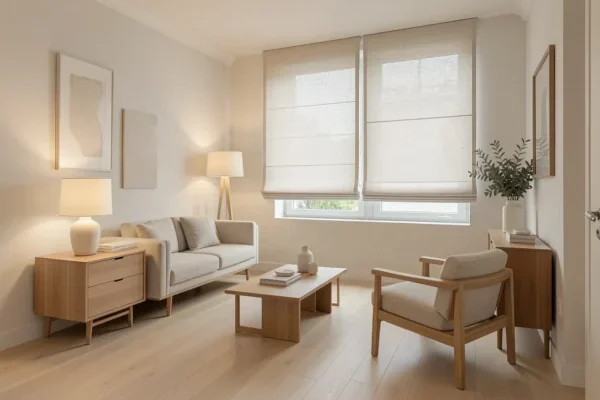
Roman shades bring a tailored softness to interiors while maintaining clear structure along the window line. Their folded design creates rhythm when raised and a smooth fabric surface when lowered. This balance makes them suitable for both traditional and transitional spaces.
Fabric selection shapes the overall mood. Linen blends create a relaxed, natural look. Heavier textiles introduce a more formal presence. Roman shades work especially well in bedrooms, dining rooms, and formal living areas where warmth and structure support daily comfort.
When paired with layered drapery, Roman shades help create a refined and dimensional window composition that feels complete and intentional.
Roller Shades for Modern Minimalism
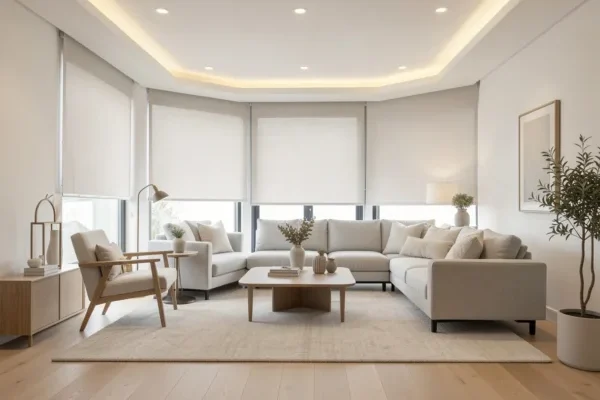
Roller shades emphasize simplicity and support interiors that prioritize clean lines and visual clarity. Their single-panel design allows them to disappear into the architecture when raised, which makes them especially effective in contemporary spaces.
They are available in a wide range of opacity levels, from sheer daylight-filtering fabrics to full blackout materials. This range allows them to perform well in bedrooms, living areas, home offices, and media rooms where light control needs vary throughout the day.
Their minimal profile keeps attention on surrounding design elements such as furniture, flooring, and wall finishes, helping the overall space feel balanced and visually uncluttered.
Motorized Blinds for Seamless Living
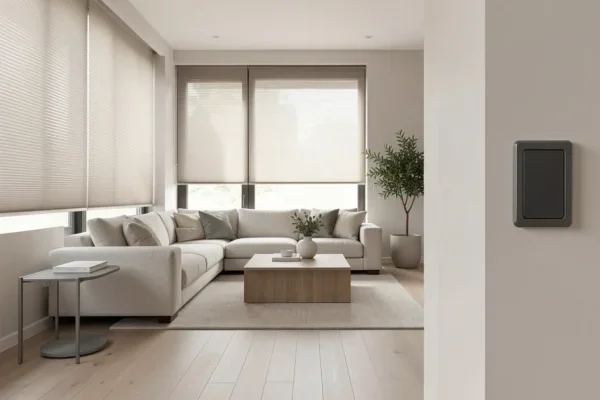
Motorized blinds introduce convenience and precision to window treatment design. Automated controls allow users to adjust multiple windows at the same time or follow scheduled settings that match daily routines. These features improve comfort and reduce the need for manual adjustment throughout the day.
Motorized systems work especially well for large windows, tall openings, and hard-to-reach areas. They also connect with smart home platforms for control through mobile devices or voice systems. This integration supports smooth operation across different rooms.
Beyond convenience, motorized blinds help maintain more consistent lighting conditions indoors. Stable daylight levels support visual comfort, protect interior finishes, and strengthen the overall balance of the space.
Balancing Privacy and Natural Light
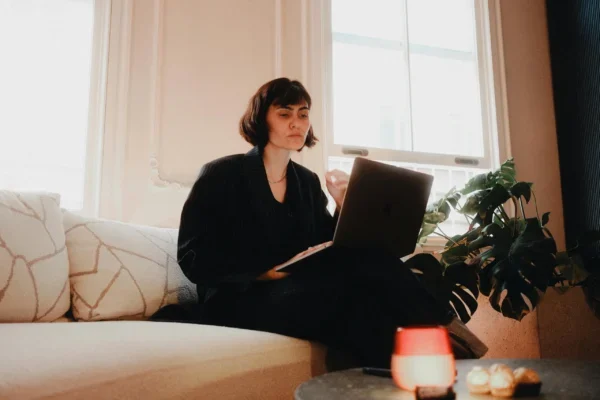
One of the most important roles of custom shades and blinds is managing the balance between privacy and daylight. Too much exposure can make a room feel unsettled. Too much coverage can reduce comfort and limit connection to the outdoors. A well-planned window treatment keeps both conditions in balance throughout the day.
Custom systems allow homeowners to adjust this balance based on room function and daily routines. Light-filtering fabrics maintain brightness while reducing glare, which helps living areas feel open and comfortable. Blackout materials provide full privacy and stronger light control, especially in bedrooms and media rooms.
Layering adds another level of flexibility. Combining shades with drapery or pairing blinds with sheer panels creates multiple privacy settings within a single window composition. Early planning ensures each space supports both function and visual harmony across the home.
Professional Installation: Why It Matters
Even the highest-quality custom shades and blinds rely on precise installation to perform correctly. Measurements, mounting depth, and alignment influence both operation and appearance after installation. Accurate placement ensures smooth movement, proper coverage, and a clean visual fit within the window opening.
Improper installation can create uneven gaps, reduce light control, and lead to operational issues over time. Professional installation supports long-term performance and preserves the intended design effect of each treatment.
Mounting height also affects how a room feels. Treatments installed closer to the ceiling make windows appear taller and strengthen the architectural presence of the space. Careful positioning improves proportion and visual balance across the wall surface.
BD Home Studio emphasizes installation accuracy so every custom shading system integrates naturally with surrounding finishes and supports a cohesive interior environment.
Frequently Asked Questions (FAQs)
1. What is the main difference between custom shades and blinds?
Custom shades and blinds differ primarily in structure and light control. Shades use a continuous fabric or material that moves as a single surface, creating a softer visual effect when lowered. Blinds use adjustable slats that allow more precise control over light direction and privacy. Shades are often preferred for bedrooms and living areas where a calm, uninterrupted appearance is desired. Blinds are commonly used in kitchens, offices, and transitional spaces where flexibility is important. Both options can be customized in material, opacity, and color. The choice depends on how the space is used and the desired design outcome.
2. Are custom window treatments worth the investment?
Custom window treatments offer long-term value because they are designed specifically for each window’s dimensions and functional needs. Unlike off-the-shelf options, they provide a precise fit that improves both appearance and performance. Customization also allows homeowners to select materials that match their interior palette and lighting conditions. This ensures better coordination with furniture, flooring, and wall finishes. Over time, properly fitted treatments tend to perform more reliably and maintain their structure. They also contribute to a more cohesive and intentional interior design. For many homeowners, the improvement in comfort and visual quality justifies the investment.
3. Can shades and blinds help improve energy efficiency?
Yes, custom shades and blinds can contribute to improved energy efficiency by regulating sunlight and heat transfer through windows. Light-filtering materials help reduce glare and heat gain during daytime hours. Blackout or heavier fabrics can help retain warmth during cooler periods. Motorized systems can further improve efficiency by adjusting automatically based on time of day. This helps maintain more consistent indoor temperatures without constant manual adjustments. Proper material selection plays a key role in maximizing these benefits. When planned correctly, window treatments support both comfort and energy management.
4. How do I choose between motorized and manual window treatments?
The choice between motorized and manual systems depends on convenience, window accessibility, and lifestyle needs. Motorized options are ideal for large windows, tall openings, or homes with multiple treatment zones. They allow synchronized control and can be integrated with smart home systems for automated scheduling. Manual systems may be preferred in smaller rooms or where simplicity is prioritized. Battery-operated motorization also allows for easy retrofit installation without wiring. Both systems can perform well when properly installed. The decision usually comes down to how frequently adjustments are needed and how the space is used.
5. How does BD Home Studio approach window treatment design?
BD Home Studio begins by evaluating how each room receives natural light throughout the day. Designers consider window size, ceiling height, and surrounding materials before recommending shade or blind options. Fabric samples are reviewed within the actual space to ensure color consistency under real lighting conditions. Hardware and mounting strategies are coordinated to maintain clean architectural lines. Installation is handled with precision to ensure smooth operation and proper alignment. The goal is to create window treatments that feel integrated with the home’s overall design. Each project is tailored to support both daily function and long-term visual harmony.
Create a Home That Responds to Light Beautifully
Custom shades and blinds shape how a home interacts with daylight, privacy, and daily movement. When designed thoughtfully, they become part of the architecture rather than a finishing detail added at the end of a project. At BD Home Studio, each shading system is tailored to the specific needs of the space. Designers consider material finishes, lighting direction, and how each room functions throughout the day. This approach ensures that every selection supports both usability and visual cohesion. The result is an environment where function and design work together in a balanced and understated way. Rooms feel more consistent from morning to evening as light, texture, and privacy shift naturally throughout the day.
If you are considering upgrading your window treatments, a personalized consultation can help determine the right combination of shades or blinds for your home. A thoughtful selection can meaningfully change how each space feels, improving comfort, clarity, and atmosphere throughout the day.
 info@bdhomestudio.com
 9560 Blenheim Blvd, Fairfax, VA 22031
  +1 571 470 9440