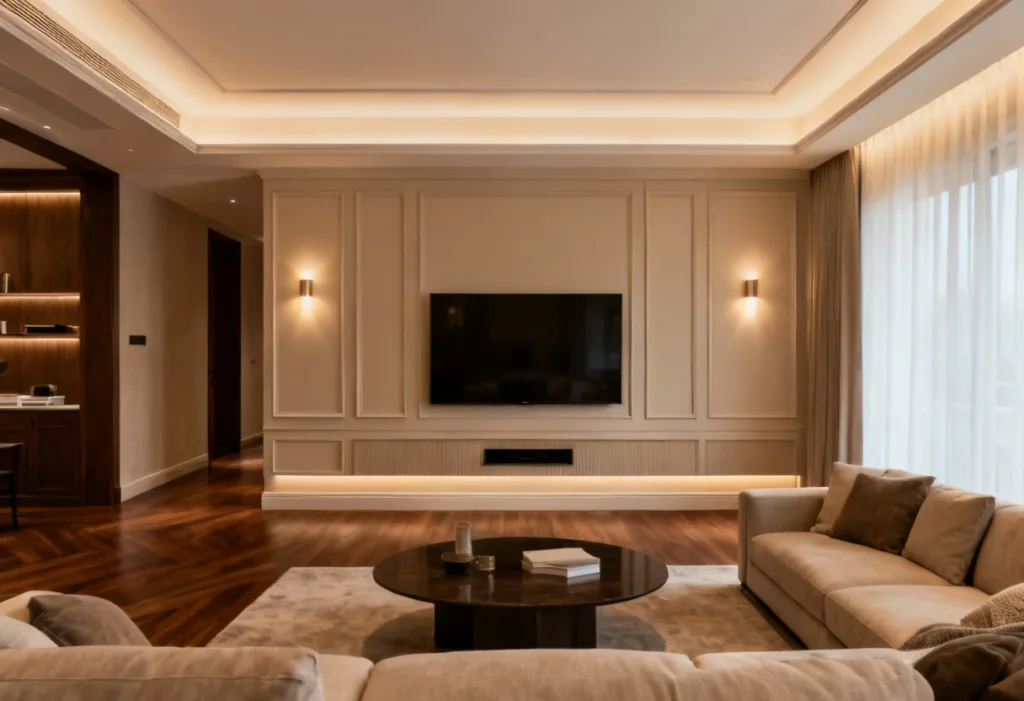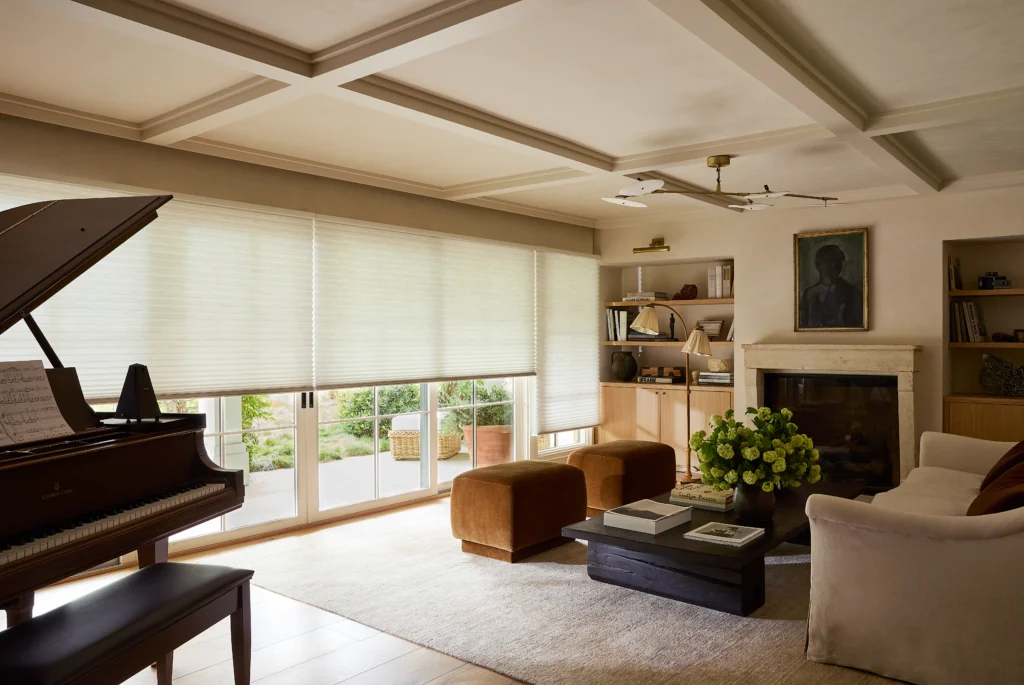
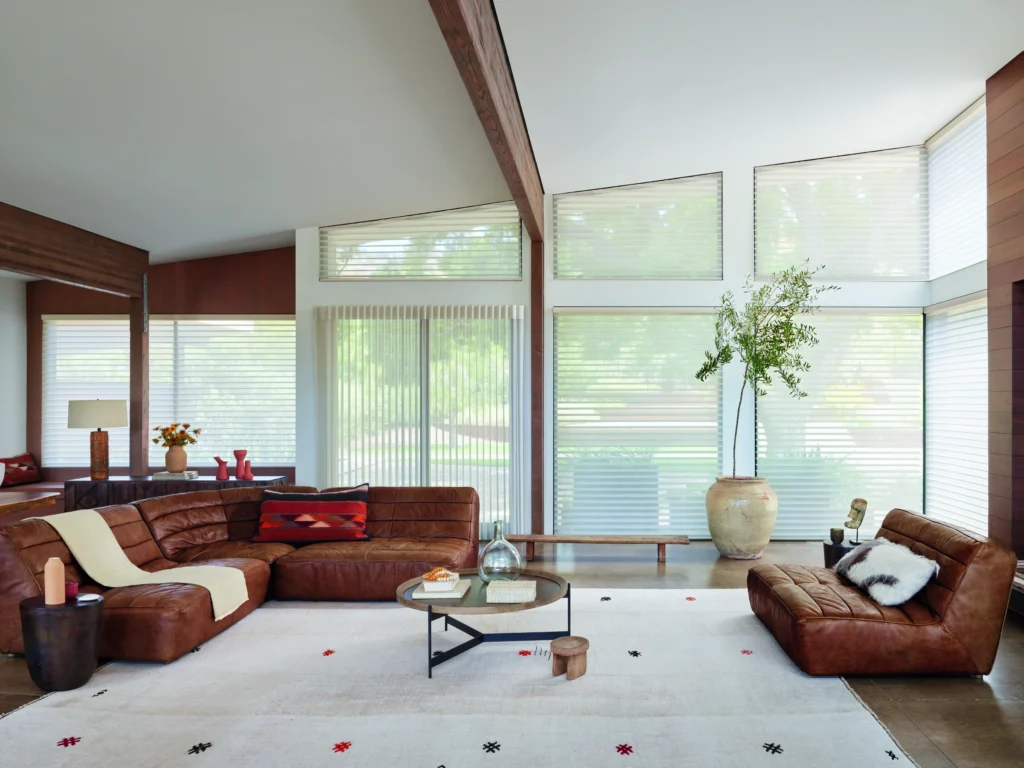
Motorized window shades have become a defining feature in thoughtfully designed homes where comfort, technology, and aesthetics work together seamlessly. Automated shading systems support privacy, protect interiors, manage daylight, and enhance architectural clarity across living spaces. They allow precise light control throughout the day and improve consistency across multiple rooms. They also reduce manual adjustment and support a cleaner, more streamlined interior appearance.
At BD Home Studio, motorized shading solutions are selected as part of a coordinated interior plan rather than added after furnishings are installed. Designers evaluate window scale, sun exposure, daily routines, and finish compatibility before recommending systems. Each installation aligns with the overall interior structure and supports both function and visual balance. Proper planning ensures that automated shades integrate with the home rather than stand apart from it. This approach improves usability, maintains design cohesion, and strengthens the overall architectural flow of the space.
This blog explains how motorized window shades support modern living, the different styles available for automation, the main differences between power systems, and how smart controls improve comfort and efficiency throughout the home.
Beyond Convenience: The True Value of Automated Window Treatments
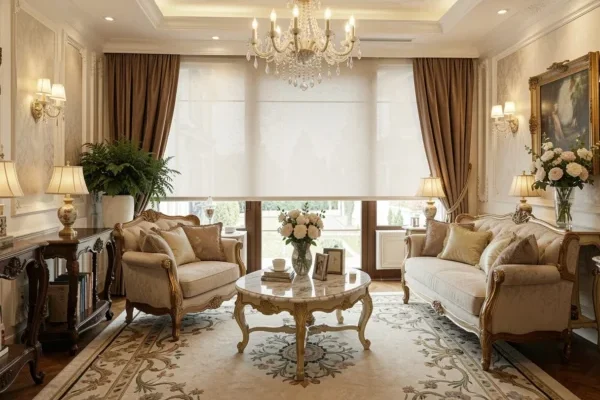
Motorized window shades systems are often associated with ease of operation, but their benefits extend far beyond convenience. They support long-term interior protection, improve daily comfort, and maintain consistent lighting conditions throughout the day. Window shades reduce the need for manual adjustments and create a more controlled and predictable indoor environment. They also support a cleaner visual layout by removing cords and repetitive manual hardware.
Automated shades allow homeowners to respond to shifting sunlight without interrupting daily routines. Multiple windows can be controlled through a single device or programmed schedule. Shades can rise and lower at specific times based on sunlight patterns. This coordination creates smoother transitions between morning, afternoon, and evening light. It also contributes to a calm and balanced interior atmosphere. The result is a home that feels more structured and easier to manage throughout the day.
Energy Efficiency and UV Protection for Your Furniture
Sunlight brings warmth and natural brightness into a space, but long exposure affects flooring, upholstery, artwork, and wood finishes. Motorized shading systems reduce this exposure with consistent control. Automated schedules lower shades during peak sunlight hours and raise them when glare decreases. This cycle protects interior materials from fading and surface damage. It also helps maintain color consistency across furnishings over time.
Energy performance improves through better thermal regulation. Shades reduce heat gain during warm seasons and limit heat loss during cooler periods. This helps stabilize indoor temperatures throughout the year. HVAC systems operate more efficiently as a result. Over time, this contributes to both energy savings and improved comfort. The home maintains a more stable and predictable environment across changing weather conditions.
Enhanced Home Security and Privacy Controls
Motorized shades also support privacy and security in practical ways. Scheduled movements create the appearance of occupancy even when the home is unoccupied. This adds a subtle layer of deterrence for street-facing windows and large glass openings. Interior visibility changes throughout the day, which helps maintain a lived-in appearance.
Privacy control can be customized by room. Living areas can remain open and bright while bedrooms and private spaces stay covered. Adjustments operate quietly and smoothly without disrupting daily activity. Controls can be managed individually or across the entire home for greater flexibility. At BD Home Studio, shading strategies are developed alongside furniture layout and lighting design. This ensures privacy solutions remain visually consistent with the overall interior composition and support a unified design approach throughout the home.
Which Types of Shades Can Be Motorized?
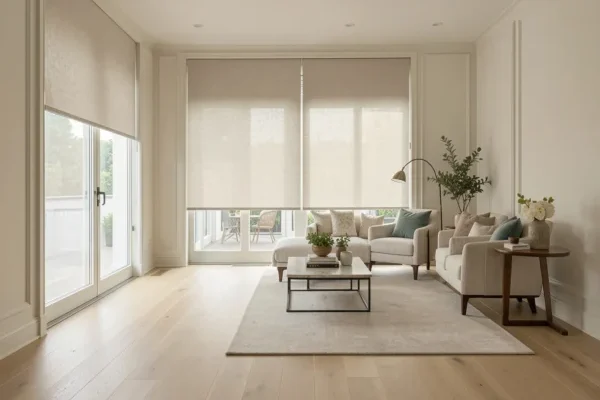
Many homeowners assume automation is limited to a single shade style. In reality, multiple fabric and structural systems can be motorized while maintaining their original design identity. Roller shades, Roman shades, and woven wood shades can all support automation without losing their intended aesthetic. The right choice depends on architectural style, lighting conditions, and the materials already used within the space. This flexibility allows motorized shading to integrate naturally into both modern and traditional interiors.
Motorized Roller Shades for a Sleek, Minimalist Look
Motorized roller shades support clean architectural lines and a minimal visual profile. When raised, they nearly disappear into the window frame or ceiling pocket. This creates an uninterrupted view and preserves the structure of the opening. Fabric options range from light-filtering solar materials to full blackout textiles. This range allows roller shades to function in living rooms, bedrooms, and media spaces without changing their simple form.
Automation enhances performance across multiple windows. Shades align evenly with consistent movement and positioning. This precision strengthens visual balance across entire walls of glass. The result is a uniform and refined appearance that supports modern interior design principles.
Automated Roman Shades for Classic Elegance
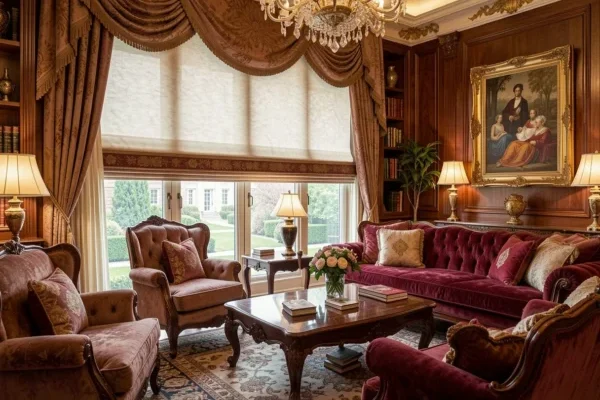
Automated Roman shades bring softness and structure to interior spaces. Their folded fabric design adds depth and tailored detail to windows. This style suits traditional and transitional interiors where fabric presence contributes to overall character. Automation improves daily usability, especially in rooms with multiple windows that require coordinated control.
Homeowners can adjust several shades at once instead of operating each one individually. This improves convenience and maintains consistent alignment across the room. Roman shades also work well with drapery layers. Automation supports both functional control and decorative layering within a single window design. BD Home Studio often uses automated Roman shades in bedrooms and formal living spaces where warmth and fabric detail are important to the overall design.
Motorized Woven Wood Shades for Natural Texture
Motorized woven wood shades introduce natural texture into interior environments. Materials such as bamboo, grasses, and reeds create a warm and organic look. These shades complement wood flooring, stone finishes, and upholstered furniture. They filter sunlight in a soft and diffused way that enhances interior comfort.
Automation improves practicality, especially for tall or hard-to-reach windows. Motorized operation preserves the natural movement and texture of the material while removing the need for manual adjustment. Woven shades respond strongly to daylight changes, so automated scheduling helps maintain consistent lighting throughout the day. This creates a stable and comfortable interior atmosphere while preserving the natural character of the materials.
Power Options: Hardwired vs. Battery-Operated Systems
Selecting a power system is a key step in planning automated window treatments. The right choice depends on the stage of the project, especially whether the home is already built or still under construction. Both systems offer reliable performance when matched correctly to the installation environment and usage needs. Proper selection ensures smooth operation, clean installation, and long-term convenience.
When to Choose Battery-Operated Systems (Retrofitting)
Battery-operated systems are commonly used in existing homes where structural changes are limited. Installation does not require opening walls or running electrical wiring. This makes them ideal for retrofit projects and interior updates. Rechargeable battery packs support long-term use and maintain a clean, cord-free appearance. Charging is typically required only a few times per year, depending on shade size and frequency of use.
These systems work well for individual rooms or partial-home upgrades. They adapt easily to different window types and layouts. They are often used during furnishing updates or design refreshes. BD Home Studio evaluates window accessibility, usage patterns, and design goals before recommending battery-operated solutions for retrofit applications
When to Choose Hardwired Systems (New Builds and Major Renovations)
Hardwired systems are best suited for new construction or major renovation projects. They connect directly to the home’s electrical system, which removes the need for recharging or battery maintenance. This creates a more permanent and integrated solution for automated shading.
Hardwired setups support centralized control systems and smart home integration. They also allow motors and wiring to be concealed within ceilings, walls, or architectural pockets. This results in a cleaner and more seamless visual finish. These systems are especially effective in homes with large glass walls or multiple automated zones. Planning electrical pathways early in the design process ensures a smooth installation and a discreet final appearance.
Seamless Smart Home Integration
Automation becomes most effective when shading systems work together with other smart home technologies. Integrated control systems allow lighting, temperature, and window coverings to operate through one coordinated interface. This creates a more consistent living environment throughout the day. It also reduces the need for repeated manual adjustments across different rooms. The home responds more naturally to changing routines and lighting conditions.
Connecting Your Shades to Control4, Crestron, or Apple HomeKit
Modern motorized shading systems integrate with established smart home platforms such as Control4, Crestron, and Apple HomeKit. These connections allow users to control shades through voice commands, mobile apps, or wall-mounted touch panels. This creates a flexible and user-friendly experience across the entire home. Multiple rooms can be adjusted at the same time without individual operation.
Homeowners can activate entire shading zones with a single command. This improves efficiency and maintains consistency across large spaces. Integration also supports coordination with lighting and HVAC systems for better environmental control. At BD Home Studio, integration planning is considered early in the design process. This ensures shading systems align with the home’s overall technology framework and function as part of a unified system.
Setting Schedules and Scenes for “Morning Wake Up” and “Movie Night”
Scheduling features allow motorized shades to follow daily routines automatically. Morning scenes can gradually raise bedroom shades to introduce natural light at a comfortable pace. This supports a smoother and more natural start to the day. Evening scenes can lower shades across living spaces to create a calm and private environment.
Entertainment settings add another layer of convenience. Media rooms can activate blackout positions instantly when movie mode begins. Lighting and shading can work together to reduce glare and improve viewing comfort. These preset scenes simplify transitions between activities throughout the day. Automation shifts shading from a manual task into a background system that supports comfort, rhythm, and consistency in daily living.
Solving the Challenge of Hard-to-Reach and Double-Height Windows
Tall and expansive windows add architectural impact and natural light to interior spaces. These features often appear in stairwells, vaulted ceilings, and double-height living areas. Manual window treatments become difficult to operate in these conditions. Reaching high placement points requires ladders or additional equipment. This reduces convenience and limits regular adjustment of natural light.
Motorized shading systems solve this challenge by providing reliable control from any accessible device. Homeowners can adjust tall or elevated windows with wall controls, remotes, or smart home apps. This removes physical limitations and improves daily usability. Automation also ensures consistent movement across all shades, even when installed at different heights. The result is smooth and coordinated operation throughout the entire space.
Consistent alignment becomes especially important in rooms with large vertical glass surfaces. Uneven shades can disrupt visual flow and reduce architectural clarity. Motorized systems maintain uniform positioning across all panels. This creates a balanced and structured appearance across the wall surface. It also enhances the overall sense of order in open-concept interiors.
BD Home Studio often integrates automated shading systems in double-height spaces and open living areas. These solutions improve both functionality and visual continuity. Proper planning ensures shading systems complement architectural scale and support long-term comfort in complex window environments.
Frequently Asked Questions (FAQs)
1. Are motorized window shades suitable for existing homes?
Yes, motorized window shades can be installed successfully in most existing homes using battery-operated systems. These solutions avoid the need for new wiring while still supporting automated control. Rechargeable battery packs typically last several months depending on usage frequency and shade size. Installation remains clean because motors are concealed within the shade assembly itself. Many homeowners choose automation during furnishing updates or window treatment replacements. Professional measurement ensures motors operate smoothly without interfering with trim details. With proper planning, retrofit automation can perform as reliably as hardwired installations.
2. How long do motors in automated shading systems typically last?
Shading motors are designed for long-term daily use and are tested for thousands of operating cycles before installation. Most high-quality systems continue operating reliably for many years when installed correctly. Routine maintenance requirements remain minimal because motors are enclosed within protective housings. Scheduling features can reduce unnecessary movement, extending operational life further. Selecting appropriate motor strength for shade size also improves longevity. Professional installation ensures alignment remains consistent across multiple windows. When combined with proper planning, automated shading systems provide dependable performance over time.
3. Can motorized shades operate during power interruptions?
Yes, battery-operated shading systems continue functioning during temporary power interruptions because they rely on internal rechargeable packs. Hardwired systems connected to centralized automation platforms may require backup power sources to maintain operation during outages. Many smart homes include battery backup units that support shading controls alongside lighting systems. Even without automation control, manual override options are often available depending on the motor type. Discussing backup strategies during the planning stage helps ensure uninterrupted performance. Designers typically evaluate these needs early when coordinating technology integration. This preparation supports consistent usability across all condition.
4. Are automated shades compatible with layered window treatments?
Yes, motorized shades work well alongside custom drapery panels and other layered window solutions. Automation improves alignment across multiple shade units while drapery contributes softness and vertical structure. Coordinating both elements during installation ensures hardware placement remains balanced. Scheduling features can operate independently from decorative layers when needed. Many homeowners combine blackout shades with stationary drapery panels in bedrooms for improved comfort. Designers frequently integrate automation into layered treatments without affecting the visual character of the window. Careful planning ensures both layers function smoothly together.
5. How does BD Home Studio approach automated shading design?
BD Home Studio begins by evaluating how each room receives daylight throughout the day. Designers review ceiling height, window placement, and surrounding finishes before recommending shade styles. Integration planning ensures automated controls align with the home’s technology systems. Fabric selections are coordinated with flooring and upholstery to maintain visual continuity. Measurements are completed carefully so motors operate quietly and consistently. Installation teams align shading units precisely across grouped windows. This structured process supports shading systems that feel integrated with the architecture rather than added afterward.
Elevate Your Home with Premium Motorized Shading Systems
Motorized window shades contribute to a refined living environment by coordinating daylight, privacy, and interior protection within a single system. Their quiet operation supports daily routines without drawing attention to the technology itself. At BD Home Studio, shading solutions are selected to complement flooring, upholstery, and architectural finishes already present in the home. This coordination ensures automation supports the broader interior vision rather than appearing as a separate upgrade.
If you are planning new construction or updating your existing interiors, motorized shading systems offer a practical way to improve comfort while strengthening the overall composition of your space. A personalized consultation can help determine which styles and control systems best match your home’s layout and lifestyle priorities.
 info@bdhomestudio.com
 9560 Blenheim Blvd, Fairfax, VA 22031
  +1 571 470 9440