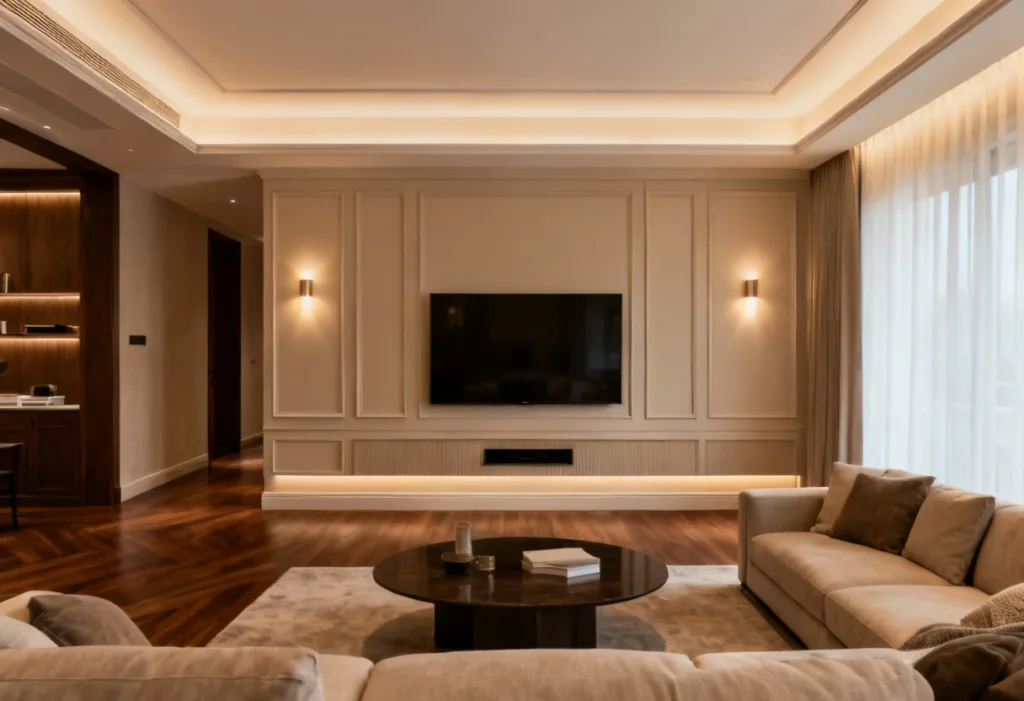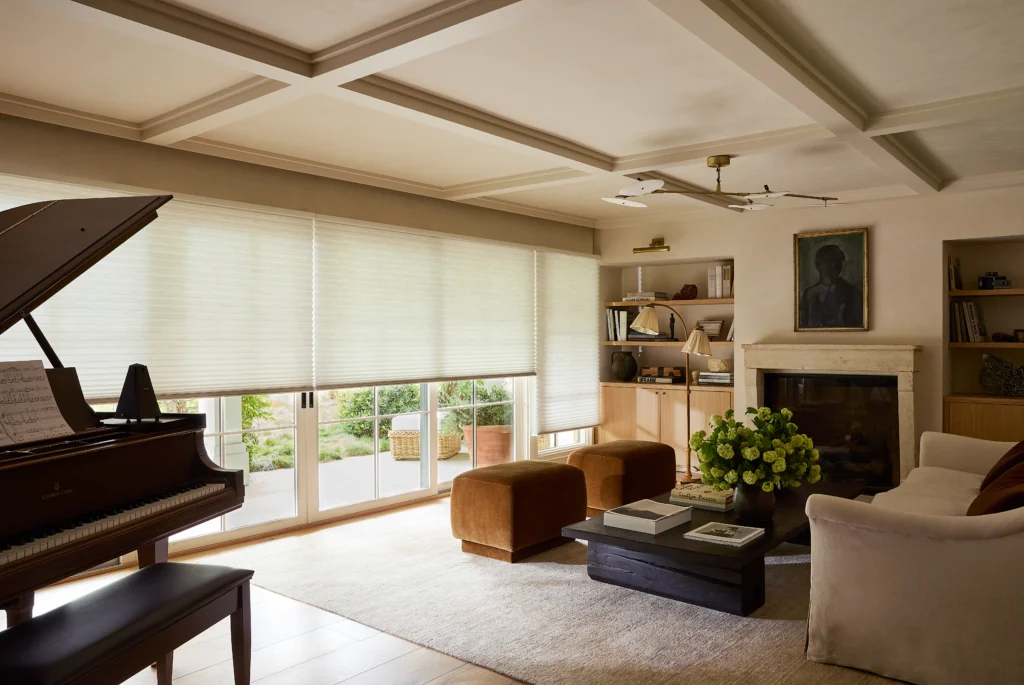
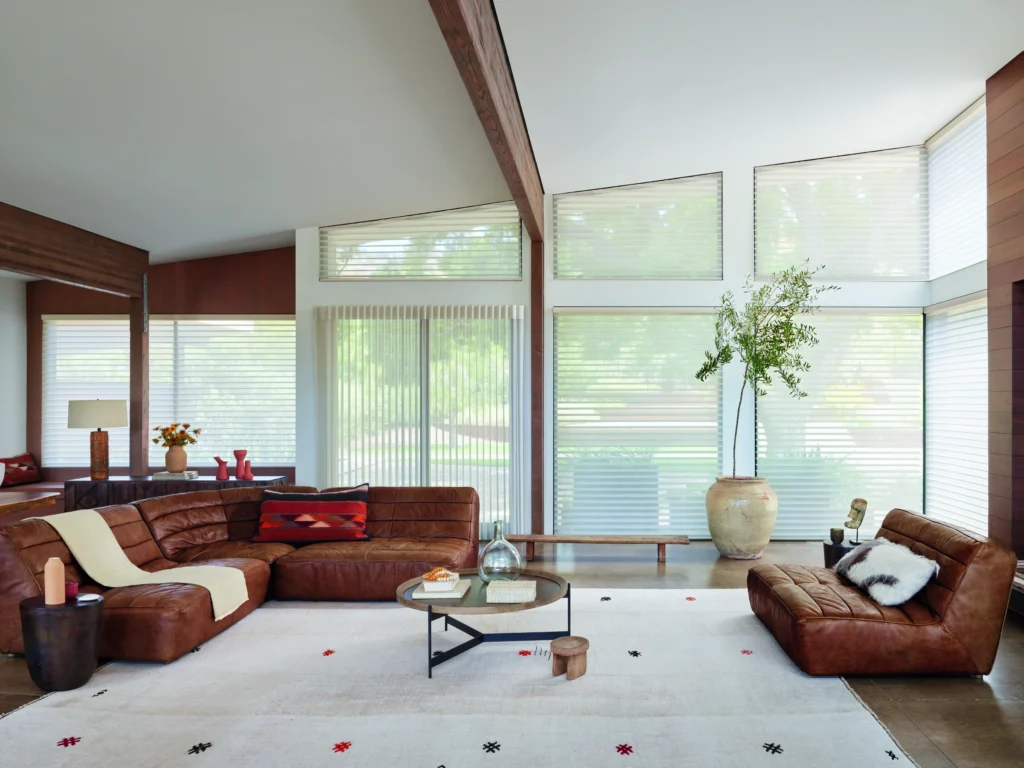
Decorative wall panel installations introduce structure, depth, and architectural rhythm to interior spaces, helping homeowners transform plain walls into refined surfaces that support furniture placement, lighting balance, and overall spatial harmony. At BD Home Studio, wall panel systems are selected with careful attention to proportion, materials, and finish coordination so that each installation contributes meaningfully to the character of the home.
Interior walls shape how a space feels long before furniture is arranged or accessories are added. When paneling is thoughtfully designed, it strengthens transitions between rooms and reinforces visual clarity across open layouts. Rather than functioning as surface decoration alone, wall panels become part of the architectural language of the home.
Many homeowners today prefer layered wall treatments instead of relying on paint as the only finish. Decorative paneling introduces dimension while supporting durability and long-term visual consistency. When integrated with lighting and furnishings, panel systems help rooms feel complete and intentional from the moment they are entered.
What Are Decorative Wall Panels?
Decorative wall panels are structured surface treatments installed over interior walls to introduce depth, proportion, and architectural definition without altering the structural framework of a room.
They may be crafted from engineered wood, hardwood components, composite materials, or fabric-backed surfaces depending on the design goal of the space. Each material contributes a distinct visual character that interacts differently with lighting conditions and surrounding finishes.
Homeowners often choose decorative wall panel systems when they want to:
- strengthen focal walls
- organize large wall surfaces
- improve durability in high-contact areas
- introduce texture variation
- enhance interior symmetry
Unlike flat paint finishes, panel systems create shadow lines that change subtly throughout the day as lighting conditions shift. This movement adds visual richness without requiring bold color contrast.
At BD Home Studio, panel layouts are designed to complement furniture scale and architectural proportions so the installation supports the room rather than competing with it.
What are the Benefits of Wall Paneling in Modern Homes?
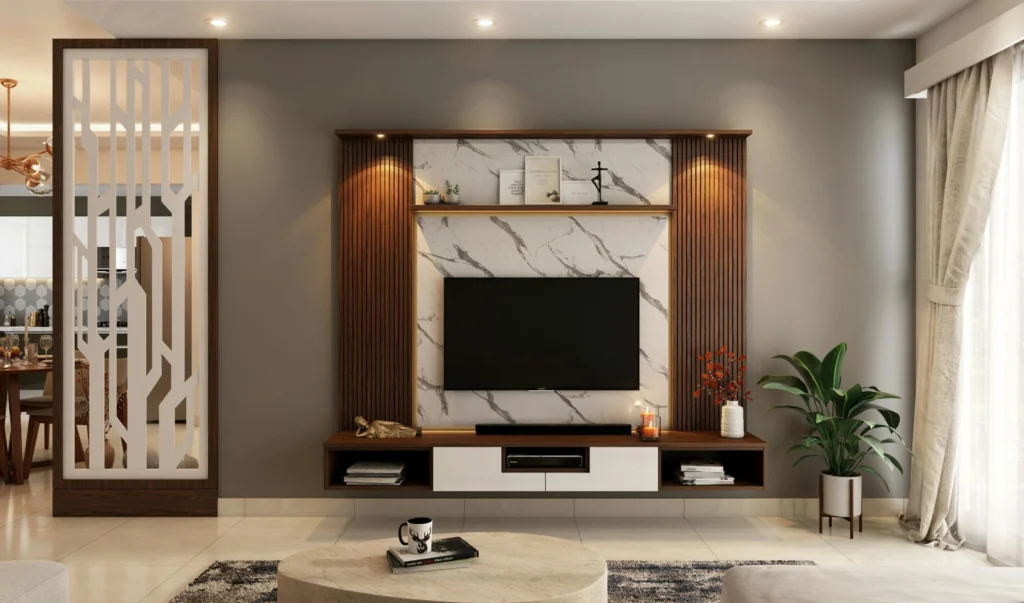
Decorative wall panels remain a reliable way to introduce architectural presence inside residential interiors. Their appeal continues to grow because they contribute both aesthetic refinement and practical advantages that support everyday living environments.
Panel systems help organize wall surfaces while reinforcing spatial clarity across connected rooms. They also create surfaces that respond well to lighting placement and material layering.
Enhancing Visual Depth and Texture
Decorative panels reshape how light interacts with interior walls. Instead of reflecting evenly across flat surfaces, panel profiles create subtle shadow lines that produce depth and dimension.
Vertical panel arrangements can make ceilings appear taller by guiding the eye upward. Horizontal layouts help widen the perceived proportions of a room. Framed molding panels introduce balanced repetition that strengthens furniture placement zones.
This visual structure allows homeowners to introduce surface interest without relying on strong color contrast. Neutral-toned panels often perform especially well because they maintain calm surroundings while still contributing architectural character.
Paneling installed behind beds or seating areas helps define functional zones within open-plan interiors. These installations improve spatial organization without requiring partitions or additional furniture pieces. When coordinated with other finishes selected through BD Home Studio, decorative panel systems help maintain continuity across the home rather than isolating visual features within individual rooms.
Acoustic Improvements for Comfortable Living
Decorative wall panels also contribute to acoustic comfort throughout the home. Hard interior surfaces such as tile flooring and painted drywall can reflect sound across large open areas.
Fabric-backed panel systems and slatted wood installations help soften these reflections by diffusing sound movement across the room. This adjustment improves speech clarity and reduces echo in shared living areas.
Bedrooms benefit from quieter surfaces that support restful environments. Media rooms gain improved listening conditions when panel systems help balance sound distribution. Home offices become more comfortable when echo is reduced during conversations and virtual meetings.
These acoustic advantages allow decorative paneling to support both visual refinement and everyday comfort simultaneously.
Popular Styles of Custom Wall Panels
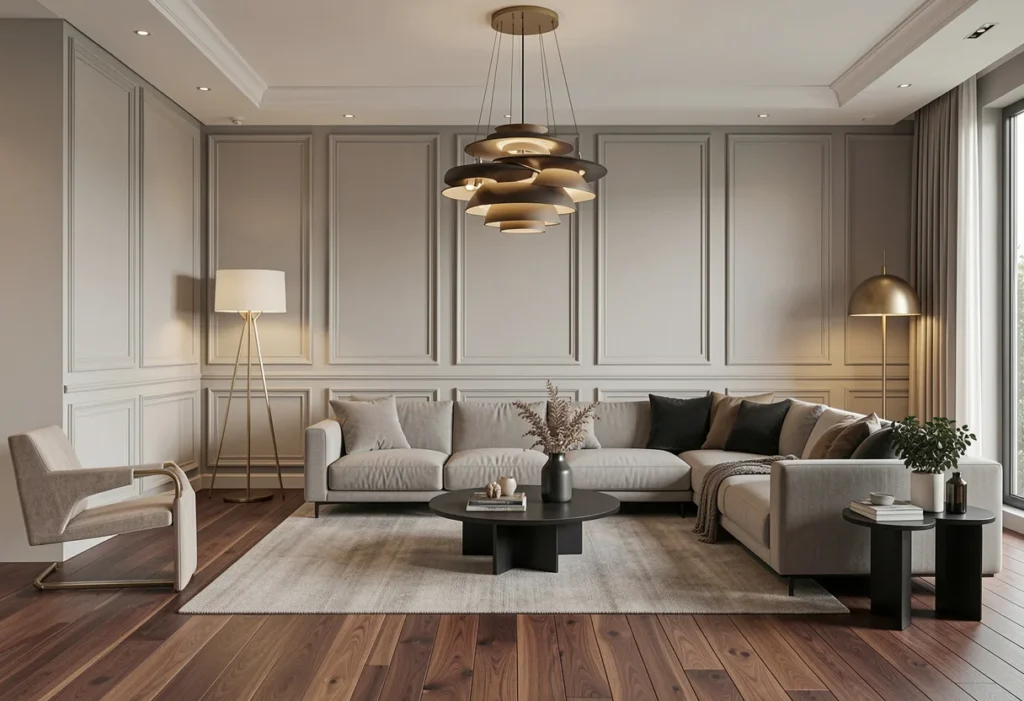
Decorative panel systems can be tailored to support both traditional and contemporary interiors depending on layout scale and material selection. Each style contributes a distinct architectural presence that influences how furniture and lighting interact with the wall surface.
Classic Wainscoting and Molding
Wainscoting remains one of the most recognizable paneling styles used in residential interiors. It introduces structured detailing along lower wall sections while protecting surfaces from everyday wear.
Raised molding panels create a formal atmosphere well suited for entryways, dining rooms, and stair corridors. Flat panel molding provides a more transitional appearance that integrates easily with contemporary furnishings.
Chair rail panel installations allow homeowners to combine paneling below with painted finishes or wallpaper above. This layered surface arrangement supports visual balance while maintaining durability along high-contact areas.
Wainscoting also provides a structured backdrop for artwork placement and wall lighting fixtures. These details help strengthen architectural rhythm across connected rooms.
BD Home Studio frequently integrates molding panel layouts into broader interior plans to maintain continuity between wall finishes and surrounding cabinetry elements.
Contemporary Slatted Wood Panels
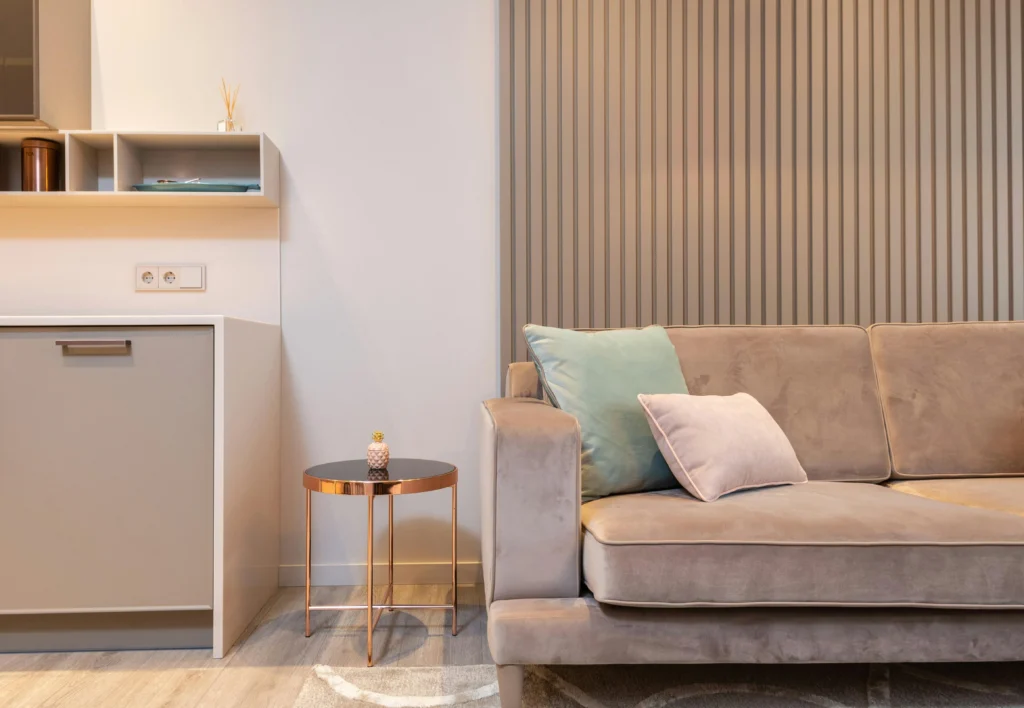
Slatted wood panels introduce vertical rhythm that supports modern interior layouts. Their structured repetition creates movement across the wall surface while maintaining a refined appearance.
Natural wood finishes bring warmth into living rooms and bedrooms, especially when paired with neutral upholstery and layered lighting. Painted slatted panels provide a softer interpretation suited for minimalist interiors.
Because slatted panel systems influence how light travels across the wall surface, they help highlight ceiling height and strengthen vertical architectural emphasis. These panels are often installed behind television walls, headboard features, or entryway focal points where they provide framing structure without overwhelming surrounding surfaces. Slatted installations can also support acoustic comfort by diffusing sound across open-plan layouts.
Fabric and Upholstered Panels
Fabric-covered panel systems introduce softness that enhances comfort in bedrooms, reading areas, and media rooms. Their padded construction creates surfaces that support quiet surroundings while strengthening visual warmth.
Upholstered panels are frequently installed behind beds to create structured headboard walls that replace the need for additional furniture pieces. This approach allows homeowners to maintain clean layouts while strengthening focal wall definition.
Fabric panel installations also coordinate easily with window treatments and bedding materials. This coordination supports layered interior styling without introducing visual clutter.
Professional installation ensures panel alignment remains consistent across large surfaces while preserving seam continuity between adjacent sections. When combined with other finishes recommended through BD Home Studio, upholstered panels contribute to a cohesive interior strategy that balances comfort with structure.
Integrating Wall Panels with Your Existing Decor
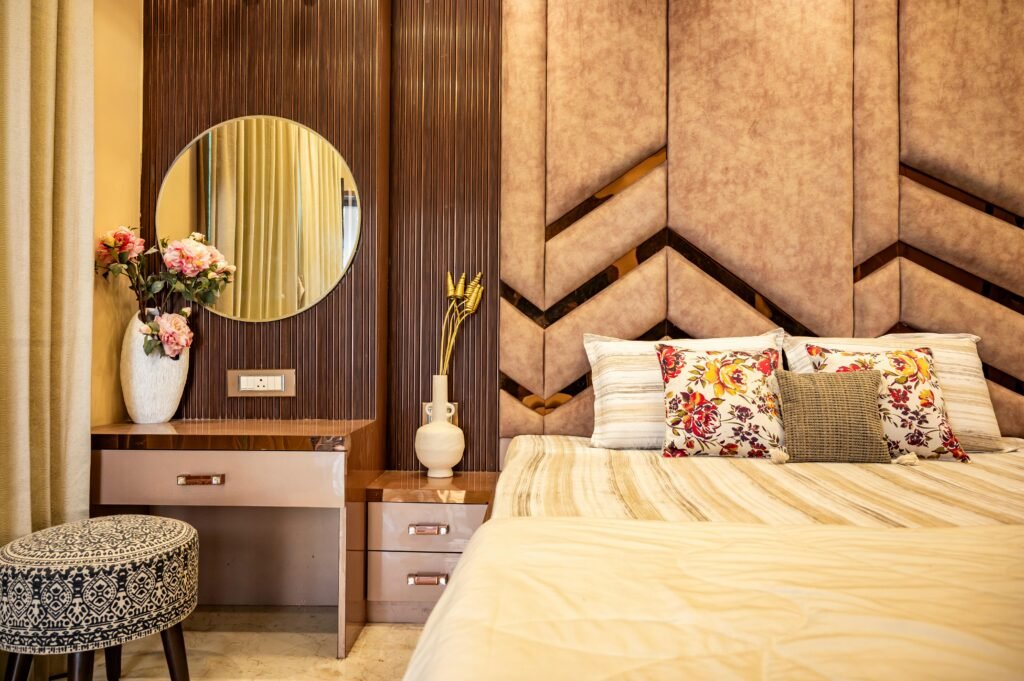
Decorative wall panels perform best when they support existing furnishings rather than competing with them. Successful integration begins by evaluating room proportions, lighting direction, and furniture placement before selecting panel spacing and layout patterns.
Panel dimensions are often aligned with sofa widths, bed placements, or window positions to maintain visual balance across the wall surface. This alignment ensures panel installations appear intentional rather than decorative additions. Neutral finishes allow artwork and upholstery to remain the primary visual focus. Textured panel surfaces introduce contrast through shadow and dimension rather than color intensity. Lighting placement further strengthens panel performance. Wall-mounted fixtures highlight molding profiles, while ceiling lighting distributes depth evenly across larger surfaces.
BD Home Studio works closely with homeowners to coordinate panel systems alongside flooring finishes, cabinetry details, and surrounding architectural transitions.
Design Your Custom Wall Layout with Us
Custom decorative panel installations begin with careful planning that considers how each room functions throughout the day. BD Home Studio evaluates wall dimensions, furniture placement, lighting direction, and circulation pathways before recommending panel configurations.
Accurate spacing ensures panel repetition remains balanced across the entire wall surface. This level of planning supports visual rhythm that strengthens the architectural identity of the room. Professional installation preserves alignment accuracy across joints and edges, allowing panels to maintain consistency over time. Coordinated material selection also ensures finishes remain compatible with surrounding cabinetry, flooring, and ceiling details. Rather than relying on standard panel templates, BD Home Studio develops layouts tailored to each home’s proportions and interior goals.
With thoughtful coordination, decorative wall panels become lasting architectural features that continue supporting the character of the home for years to come.
Where Decorative Wall Panels Create the Strongest Impact
Decorative panel installations often produce noticeable improvements in key areas of the home.
Entryways benefit from structured surfaces that establish design direction immediately. Living rooms gain focal walls that support seating layouts and artwork placement. Bedrooms feel more complete when paneling frames the headboard wall. Dining rooms benefit from molding layouts that reinforce proportion across long walls. Hallways become visually organized when panel spacing guides sightlines between connected spaces.
These installations strengthen the visual continuity that connects rooms across the home.
Frequently Asked Questions (FAQs)
1. What is a decorative wall panel used for?
A decorative wall panel is used to introduce structure and visual depth across interior wall surfaces without altering the architectural layout of a room. Panel systems help define focal areas behind beds, sofas, or dining spaces while improving surface durability in high-contact zones. Many homeowners also install panels to strengthen lighting interaction across walls through subtle shadow lines created by molding profiles. These installations help organize large wall surfaces so rooms feel more balanced and intentional. Fabric-backed panel systems may also support acoustic comfort in bedrooms and media areas. Together, these advantages make decorative paneling one of the most versatile wall enhancements available in residential interiors today.
2. Are decorative wall panels suitable for modern homes?
Decorative wall panels integrate easily into modern interiors when spacing and materials are selected carefully. Slatted wood panel layouts complement contemporary furniture silhouettes by introducing vertical rhythm across the wall surface. Painted molding panels support minimalist styling when neutral finishes are selected. Fabric-backed panel systems enhance comfort while maintaining clean visual lines within bedrooms and media rooms. Designers often recommend paneling as a way to introduce architectural character without relying on strong color contrast. When coordinated professionally, panel installations strengthen both traditional and contemporary interiors.
3. Can decorative wall panels improve sound comfort inside a room?
Decorative wall panels can help improve sound comfort by diffusing or absorbing sound reflections across interior surfaces. Fabric-backed panels are especially effective in bedrooms and media rooms where quieter surroundings support relaxation. Slatted wood panels help distribute sound movement more evenly across open-plan layouts. These improvements reduce echo created by hard flooring and painted drywall surfaces. As a result, conversations become clearer and shared living spaces feel more comfortable during gatherings. Acoustic improvements are one of the practical advantages that make panel systems valuable beyond visual styling.
4. How long do decorative wall panel installations last?
Decorative wall panel installations remain stable for many years when installed correctly and matched with appropriate materials for each environment. Engineered wood panel systems maintain alignment across large wall surfaces when secured professionally. Fabric-backed installations remain consistent when indoor humidity levels are controlled. Painted molding panels can be refreshed periodically without replacing the panel structure underneath. Professional installation ensures spacing remains balanced and joints remain secure over time. With proper maintenance routines, panel systems continue supporting interior structure for extended periods.
5. Do decorative wall panels increase home interior value?
Decorative wall panels contribute positively to interior presentation quality by introducing architectural detail that signals thoughtful planning and finish consistency. Buyers often notice structured wall surfaces immediately when entering a room. Panel installations help define focal areas without requiring structural renovation work. Coordinated panel layouts strengthen how lighting and furniture interact with the surrounding environment. These improvements support stronger impressions during property viewings and interior photography sessions. As a result, paneling often enhances how residential interiors are evaluated visually.
Bring Architectural Structure to Your Interior Walls
Decorative wall panels introduce dimension that helps interiors feel balanced and complete without requiring structural renovation. With careful planning, panel layouts support furniture placement, lighting coordination, and long-term durability across frequently used living areas. BD Home Studio helps homeowners explore tailored panel solutions designed specifically for their interior layout and lifestyle needs. Schedule a consultation to begin shaping wall surfaces that contribute lasting architectural presence throughout your home.
📧info@bdhomestudio.com📍9560 Blenheim Blvd, Fairfax, VA 22031 ☎️+1 571 470 9440